India Accelerates Promotion Of Agro-Textiles Under National Technical Textiles Mission
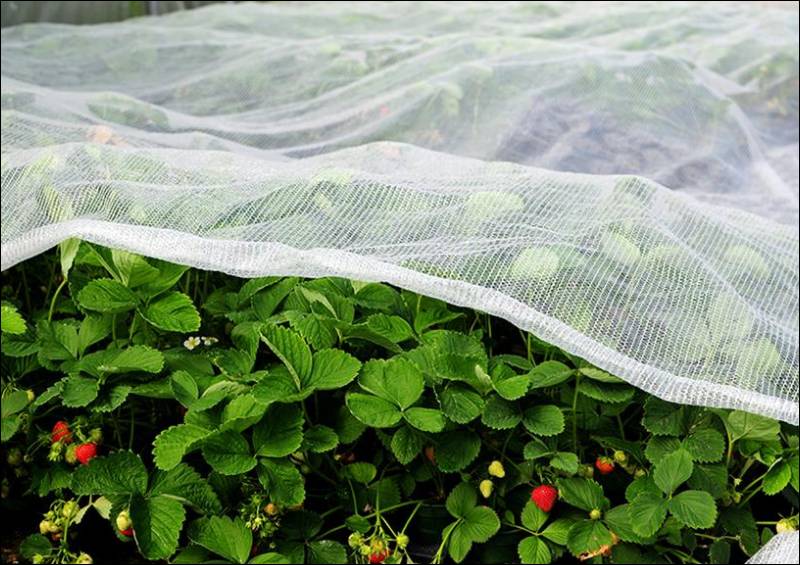
India is stepping up efforts to advance agro-textiles as a key driver of sustainable and climate-resilient agriculture under the National Technical Textiles Mission (NTTM), launched in 2020 to boost the country’s technical textiles ecosystem.
As part of this mission, the Ministry of Textiles has approved 14 targeted research and development projects focused on next-generation agro-textile solutions, spanning biodegradable mulch, crop covers, natural fibre innovations, insecticide-integrated agronets, smart textiles and sustainable packaging.
Giving a practical push to field adoption, a Climate-Smart Agro-Textile Demonstration Centre has been established at Navsari, Gujarat, at a cost of Rs 3.73 crore. Operational since December 2024 and managed by the Synthetic & Art Silk Mills’ Research Association (SASMIRA), the centre showcases live demonstrations of agro-textile applications, offers hands-on training, and runs awareness programmes aimed at helping farmers improve productivity, cut input costs, and enhance climate resilience. So far, 576 farmers have already been trained at the facility.

The NTTM, a pan-India programme, places strategic emphasis on agro-textiles, recognising their essential role in modernising Indian agriculture. The Mission’s interventions focus on research and innovation, market development, export promotion and skilling, ensuring a holistic push toward advanced, eco-friendly and commercially viable agro-textile solutions.
The approved R&D projects are being implemented by leading institutions including DRDO’s Defence Research Laboratory, IIT Delhi, IIT Kharagpur, IIT Indore, IIT Kanpur, CSIR–CLRI, ICAR, NITRA, WRA, SASMIRA, SITRA and agricultural universities. These projects range from biodegradable mulches and natural fibre composites to smart functional agro-textiles, energy-responsive crop covers, seed protection systems and sustainable packaging derived from agricultural residues.
Together, these initiatives mark a significant stride toward integrating technical textiles with India’s agricultural ecosystem, fostering innovation, environmental sustainability and enhanced farmer livelihoods.