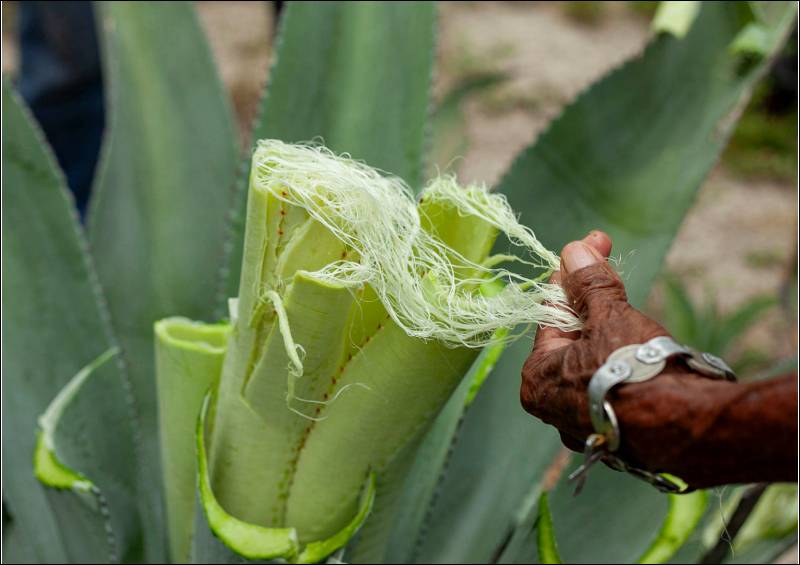
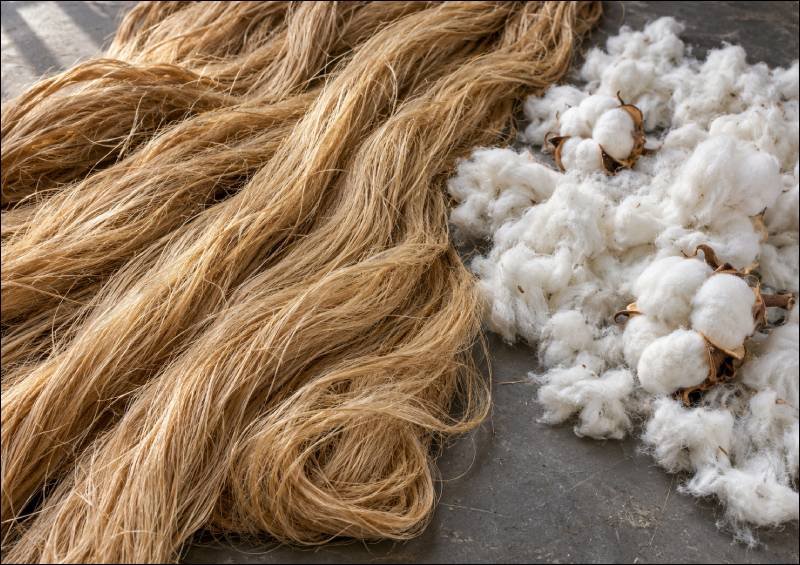
Global natural fibre production is forecast to reach 33 million tonnes in 2026, broadly unchanged from 32.9 million tonnes in 2025 and 33.1 million tonnes in 2024. A recovery in jute and allied fibres is expected to offset most of the decline in cotton output, according to the Discover Natural
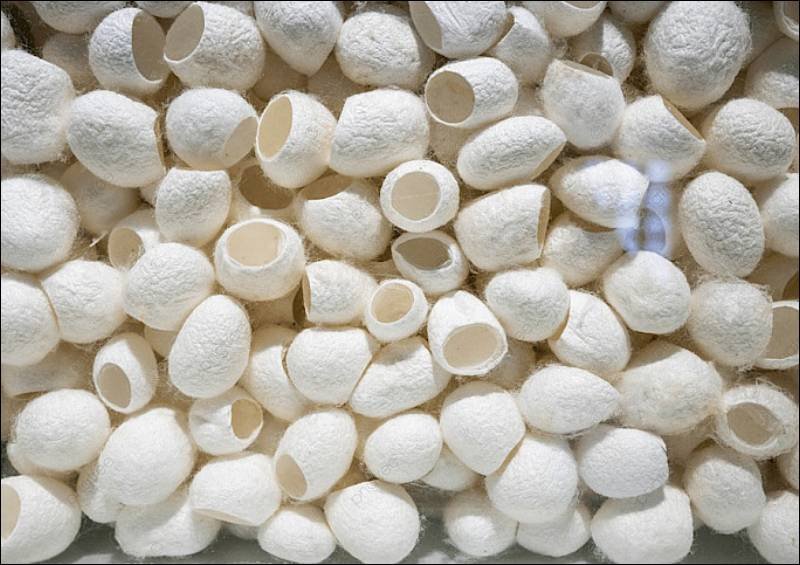
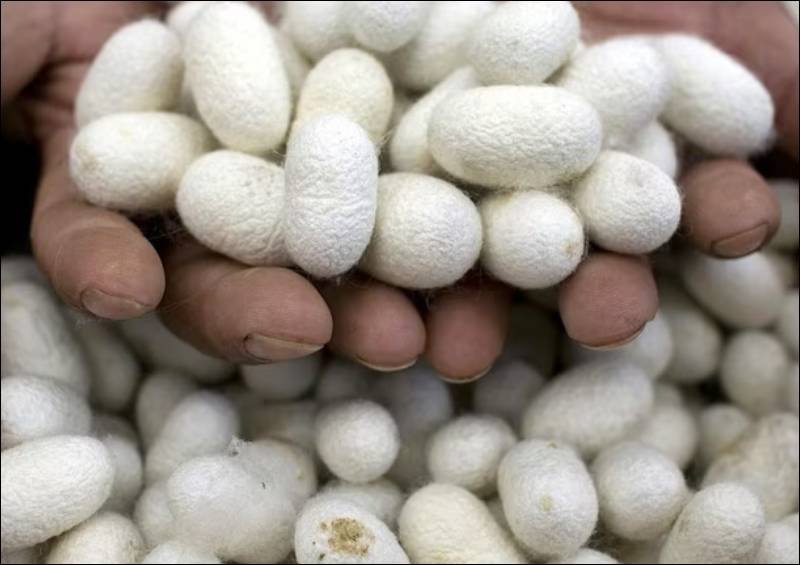
Uzbekistan’s efforts to expand its sericulture industry are facing scrutiny following allegations by farmers and home-based cocoon producers of production quotas, coercive contracting practices, payments for production shortfalls and delays in receiving payment for cocoons. The allegations have been documented by the Uzbek Forum for Human Rights, which has monitored labour
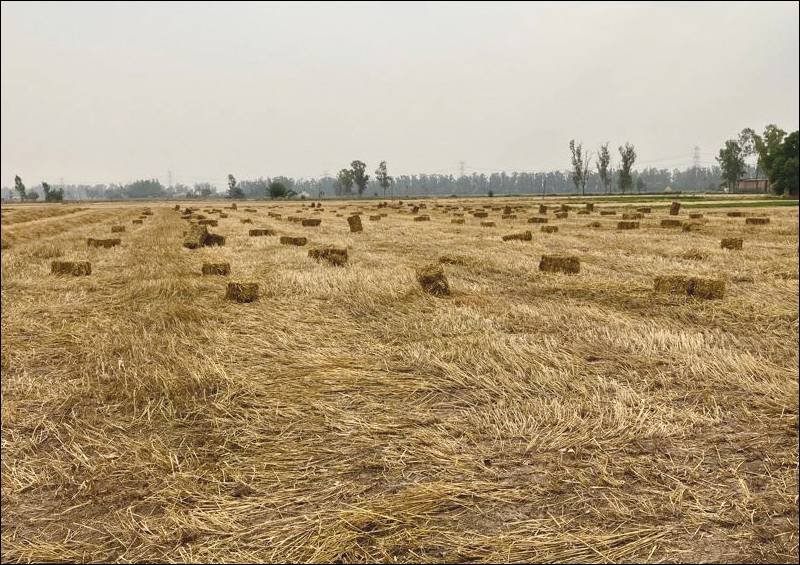
Shruti Singh, Country Director, Canopy, believes India has the agricultural resources, manufacturing capabilities and innovation ecosystem to become a global hub for next-generation fibres. At the heart of this opportunity is a simple but transformative idea: turning agricultural residues such as wheat straw into commercially viable textile fibres. If someone were to place
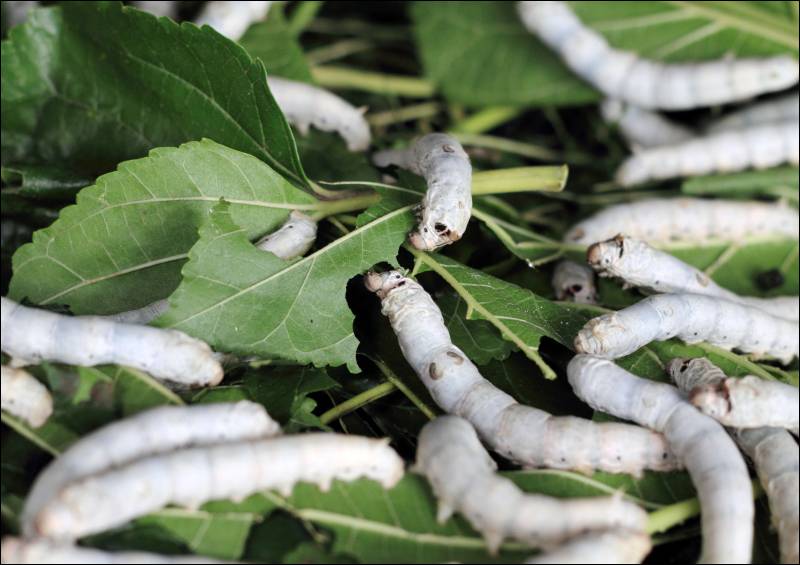
India’s raw silk production increased to 34,042 metric tonnes during April-January 2024-25, up from 24,299 metric tonnes during the corresponding period of 2014-15, Parliament was informed. Minister of State for Textiles Pabitra Margherita, in a written reply to the Rajya Sabha, attributed the growth largely to government initiatives aimed at strengthening sericulture,
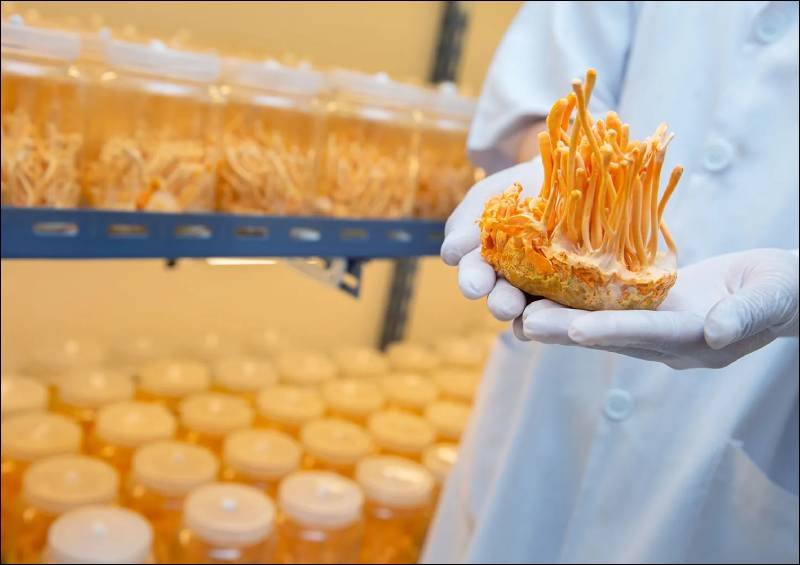
Chinese researchers have developed a novel living textile derived from Cordyceps militaris, a medicinal fungus widely used in traditional Chinese medicine that can self-clean, self-repair and completely biodegrade within 41 days. The breakthrough, published in Science Advances on July 27, 2026, could open new possibilities for circular fashion and sustainable textile
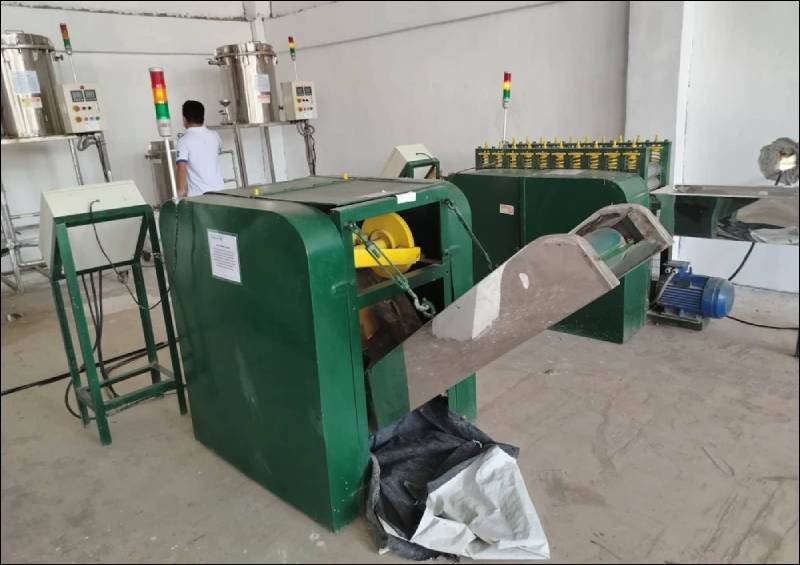
The Philippine textile sector has taken another step toward sustainable material innovation with the launch of a P6 million Natural Textile Innovation Hub in Benito Soliven, Isabela, an initiative designed to transform banana agricultural waste into high-value textile products while generating livelihood opportunities in rural communities. The project, spearheaded by the
The production of Nanollose’s Nullarbor fibre impacts no trees or plants and uses very little water, significantly reducing the environmental footprint. This innovation represents the world’s first sustainable tree-free rayon fibre, writes Dr. N.N. Mahapatra As the environmental impact of the textile industry becomes more prominent, there is an increasing
By turning farm waste into fashion-grade fibre, Project Latvus offers a glimpse into a forest-free future for textiles. The fashion industry is standing at a critical crossroads. As global demand for sustainable materials intensifies, brands are increasingly shifting away from petroleum-based synthetics and searching for lower-impact alternatives. Yet this transition
A government-backed sericulture initiative is transforming rural livelihoods in Dhamtari by creating new income opportunities for farmers and women through mulberry cultivation, cocoon production and silk yarn processing. Under the Silkworm Scheme-2, implemented by the Government of Chhattisgarh, farmers in the district are increasingly adopting sericulture as an
For decades, the global textile and materials industry has been built on a simple formula: scale, speed and synthetics. Polyester rose, plastics spread across every application imaginable and traditional fibres quietly slipped into the background. But today, that formula is beginning to crack. Climate pressure, plastic pollution and resource scarcity are forcing industries