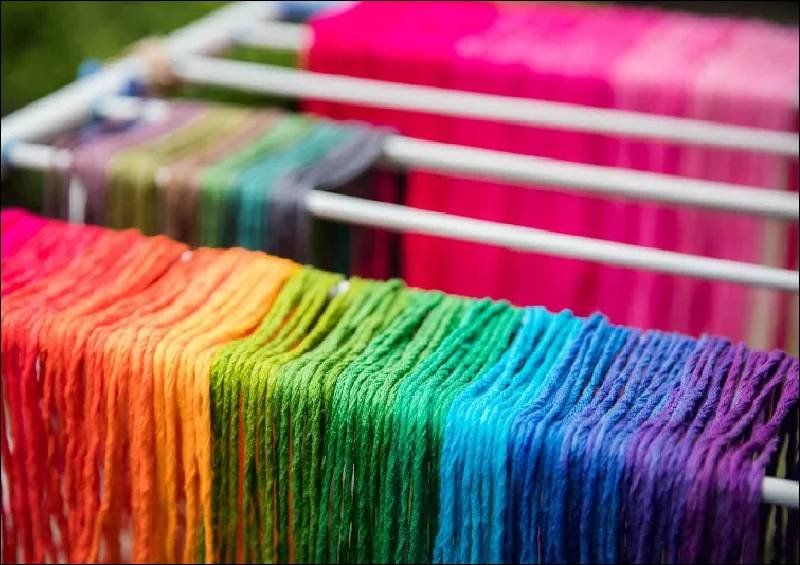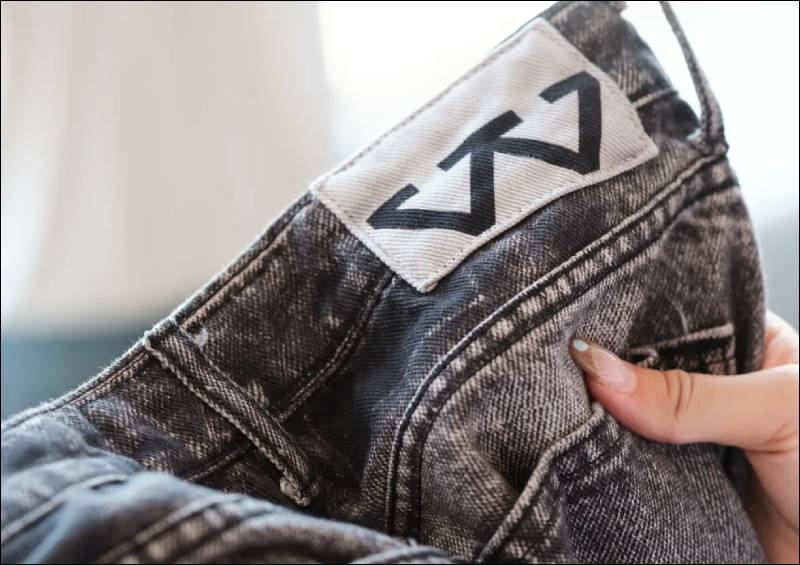
Researchers have developed a new generation of nano-scale disperse reactive dyes that not only improve dye fixation across multiple textile substrates but also exhibit promising antimicrobial properties, potentially opening new opportunities for functional and sustainable textile applications.
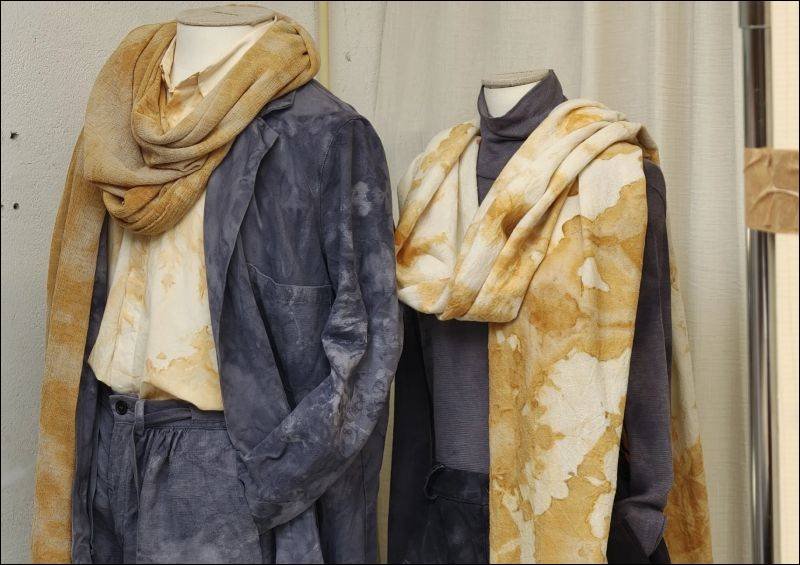
Researchers at the Delft University of Technology (TU Delft) have successfully transformed wastewater treatment sludge into a sustainable textile dye, creating garments that demonstrate a novel approach to circular fashion. Developed in collaboration with Dutch sustainable fashion label Hul le Kes, the innovation uses a melanin-like biopolymer recovered from sewage sludge
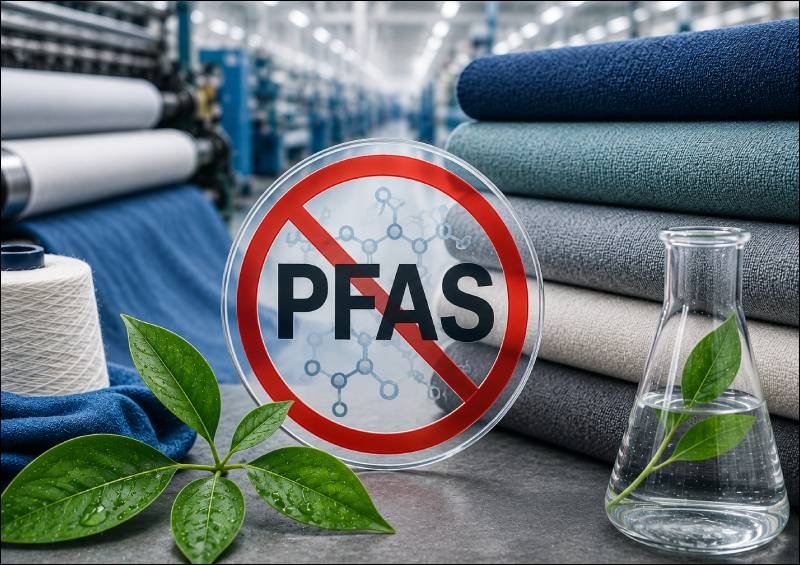
The textile industry’s transition away from PFAS commonly known as forever chemicals, appears to be accelerating faster than many expected. A new report released by the Natural Resources Defense Council (NRDC), titled No PFAS, No Problem: Product Testing Reveals Success of California and New York PFAS Textile Laws, offers one of the clearest indications yet […]
The Ministry of Textiles and several industry bodies have urged the government to temporarily pause anti-dumping investigations on key chemical intermediaries as supply disruptions and rising prices, triggered by the West Asia conflict, strain downstream sectors. The Ministry has reportedly raised concerns over raw material availability for products such as elastomeric
Tata Chemicals Ltd is set to undergo an environmental impact assessment following a Gujarat High Court ruling that dismissed the company’s claim over legacy wastewater channels linked to its Mithapur manufacturing facility. The court has directed the Gujarat Pollution Control Board (GPCB) to appoint independent experts to assess the environmental impact associated with the
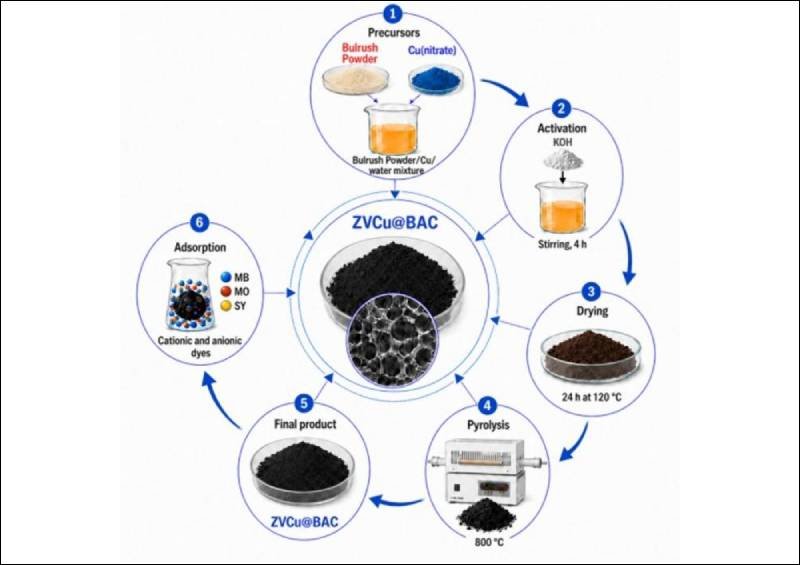
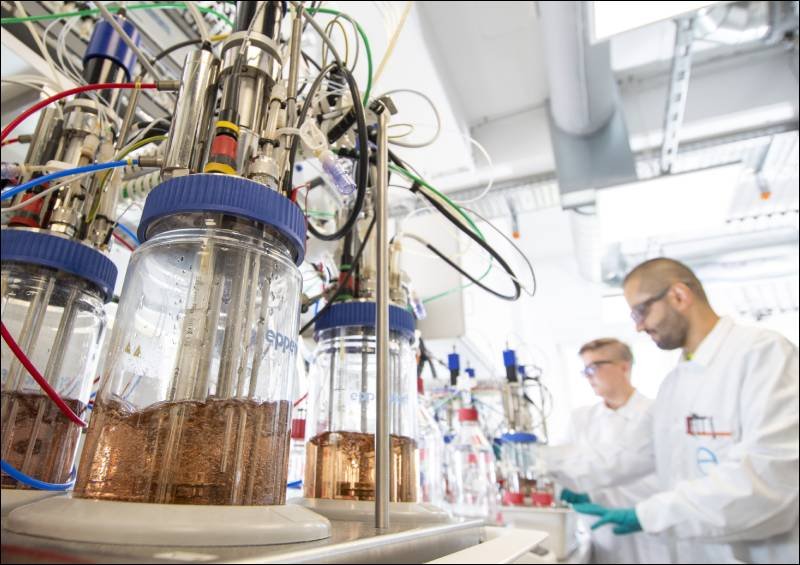
Researchers at University of Birmingham have developed a sustainable method to break down toxic pollutants in wastewater using sunlight-activated catalysts produced through an innovative mechanical process. The study, published in the journal npj 2D Materials and Applications, highlights a water-based technique that creates ultra-thin photocatalysts capable of degrading
Continuing with traditional pricing methods is no longer sustainable. The industry now requires a more dynamic, strategic and disciplined approach to pricing, writes Bharat Trivedi in this exclusive article for Textile Insights The dyes and chemical industry has always operated in a highly competitive and cost-sensitive environment. However, in recent years, the pressure
Clariant has introduced CATOFIN 1000, its next-generation propane dehydrogenation (PDH) catalyst, designed to enhance selectivity, productivity and operational reliability for propylene producers. Building on the proven CATOFIN 310 Series, the new catalyst delivers improved performance with an extended lifetime and up to 20% reduction in tar precursors, significantly
Specialty chemical manufacturers may not appear on finished products, but their impact is embedded across nearly every industry. From life-saving pharmaceuticals and advanced electronics to modern agriculture, energy systems and next-generation materials, these companies supply the essential inputs that enable innovation throughout the manufacturing ecosystem. As
Lululemon Athletica has confirmed that its product portfolio is now free from PFAS (per- and polyfluoroalkyl substances), marking a significant step in aligning with tightening global regulations and evolving industry standards on chemical usage in textiles. PFAS, long used in performance apparel for durable water repellency, are being phased out globally amid rising