
India–US Trade Deal: Major Win For Indian Textiles
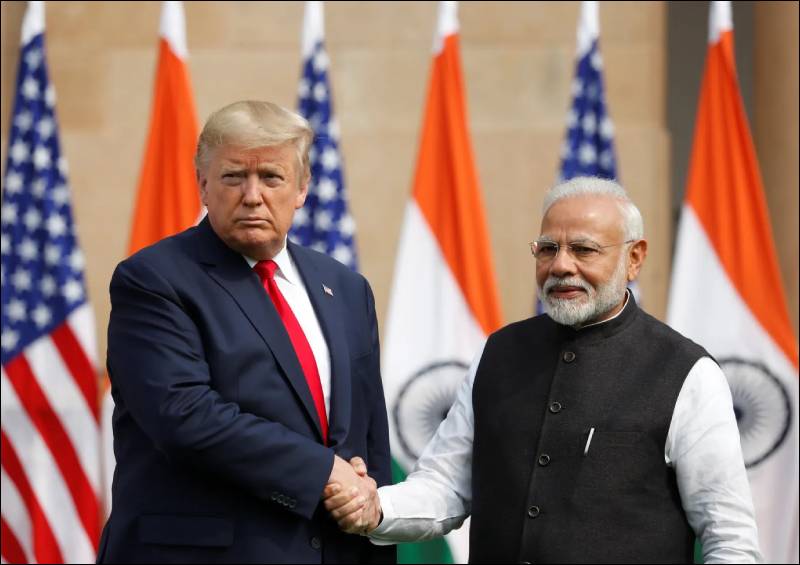
The conclusion of a landmark US$ 500 billion trade agreement between India and the United States marks a decisive turning point in bilateral economic relations and offers a significant boost to India’s textile and apparel sector. Announced by US President Donald Trump and acknowledged by Prime Minister Narendra Modi, the agreement reduces US tariffs on Indian goods to 18 per cent from a steep 50 per cent, bringing substantial relief to exporters and restoring competitiveness in India’s largest overseas market.
The deal follows nearly a year of difficult negotiations during which India faced some of the highest US tariffs globally. The escalation of duties in mid-2025 severely disrupted exports, particularly for small and medium textile enterprises and export-oriented clusters heavily dependent on the US market. The United States accounts for nearly US$ 10 billion in India’s textile and apparel exports, which is about 28 per cent of total shipments, making tariff stability critical for the sector.
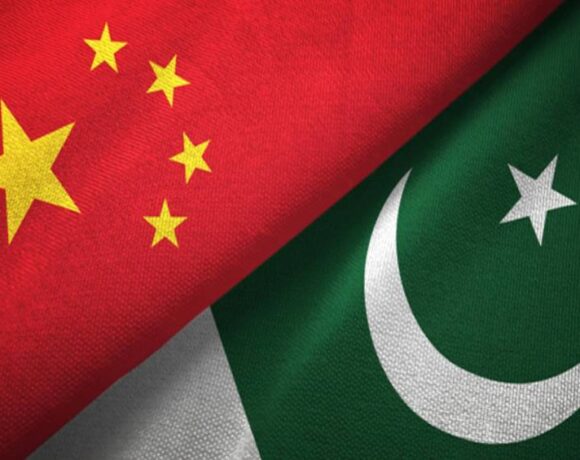
With tariffs now reduced to 18 per cent, Indian exporters gain a clear competitive edge over several major textile producing nations. Competing suppliers continue to face higher duties, including China at 34 per cent, Bangladesh and Vietnam at 20 per cent and Indonesia and Pakistan at 19 per cent. The improved tariff position is expected to encourage US buyers to rebalance sourcing strategies, potentially shifting greater volumes back to India.

Negotiations leading to the agreement began during Prime Minister Modi’s visit to Washington in February 2025, when both countries committed to pursuing a trade framework and set a long-term target of expanding bilateral trade to US$ 500 billion by 2030. Talks progressed through multiple ministerial engagements but remained challenging, as the United States raised concerns over tariffs, non-tariff barriers, intellectual property and market access. Tensions intensified in mid-2025 when Washington imposed successive tariff hikes, at one stage linking penalties to India’s continued purchases of Russian oil. Diplomatic engagement nevertheless continued, culminating in the breakthrough announced in early February 2026.
Under the agreement, the United States will reduce tariffs on Indian goods, while India will lower tariffs and non-tariff barriers on select US products and increase imports of energy, technology, agricultural and industrial goods.
Industry stakeholders have welcomed the agreement, viewing it as a timely intervention that restores confidence, revives orders and strengthens India’s position in global textile supply chains.

Dr. Gurudas Aras
Dr. Gurudas Aras, Strategic Advisor and Independent Director, described the agreement as a major positive for the sector. Aras said, “India now stands in an advantageous position compared with competing textile-producing countries. The biggest beneficiary is likely to be the home textile sector, which has strong dominance in the US market and had temporarily come under pressure due to the tariff spike.”
He added, “Structural tailwinds are aligning to drive a multi-year export cycle. China’s gradual exit from low-margin segments, combined with tariff advantages and evolving US sourcing strategies, positions Indian exporters for sustained growth. Trade agreements with the EU and the US could translate into higher order books, long-term contracts, improved capacity utilization and better margins.”
He further said, “After a resilient 2025, the year 2026 could become a year of opportunity provided the industry continues to diversify its product basket, particularly by expanding MMF-based products.”

Sakthivel
Sakthivel, Chairman of the Powerloom Development & Export Promotion Council (PDEXCIL), emphasizing the agreement’s importance for MSMEs, said, “This landmark agreement marks a new era for Indian powerloom manufacturers and exporters. The tariff reduction to 18 per cent will significantly strengthen our global competitiveness and enable MSMEs to scale exports of fabrics, made-ups and home textiles to the US. The agreement aligns with India’s export ambitions under ‘Make in India’ and ‘Viksit Bharat 2047’ and promises enhanced market access for cotton, synthetic and blended fabrics. We expect a surge in US-bound exports, potentially adding over Rs 5,000 crore annually, while strengthening supply chains, generating employment in clusters such as Mumbai, Coimbatore and Surat and improving resilience against global trade disruptions.”

Rajeev Gupta
Rajeev Gupta, Joint Managing Director of RSWM Ltd, highlighted the immediate commercial impact, “The sharp tariff reduction from 50 per cent to 18 per cent provides India with a cost advantage over competitors such as Bangladesh and Vietnam, strengthening global competitiveness. The agreement has already revived several stalled or delayed US orders, which account for nearly 28 per cent of India’s textile exports. Combined with internal duty exemptions and policy measures aimed at strengthening domestic value chains, the timing is ideal to accelerate exports, support jobs across MSME clusters and improve margins in the coming quarters.”

Sammir Dattani
Sammir Dattani, Executive Director of Sanathan Textiles Ltd, noted the longer-term implications for manufacturers, “The agreement represents a meaningful reset for India’s textile sector, bringing clarity after an extended period of tariff-related uncertainty. With the US accounting for nearly 28 per cent of exports, the reduction in duties materially improves cost competitiveness and provides a pathway for gradual recovery in demand. As buyers reassess sourcing strategies, Indian manufacturers are positioned to gain relative advantage over competing supplier countries, reinforcing India’s role in global supply chains. This shift is expected to translate into a steady revival in order flows, improved pricing discipline and progressive margin stabilisation across the sector.”
Beyond immediate tariff relief, the agreement carries broader strategic significance. At a time when global supply chains are undergoing rapid realignment, the deal signals deeper India–US economic engagement and strengthens India’s position as a reliable sourcing destination. For the textile and apparel industry, the restoration of competitiveness in the US market could encourage fresh investment, capacity expansion and employment growth—potentially marking the beginning of a new export cycle.