Australian Apparel Trade Stabilises After Mid-Year Dip
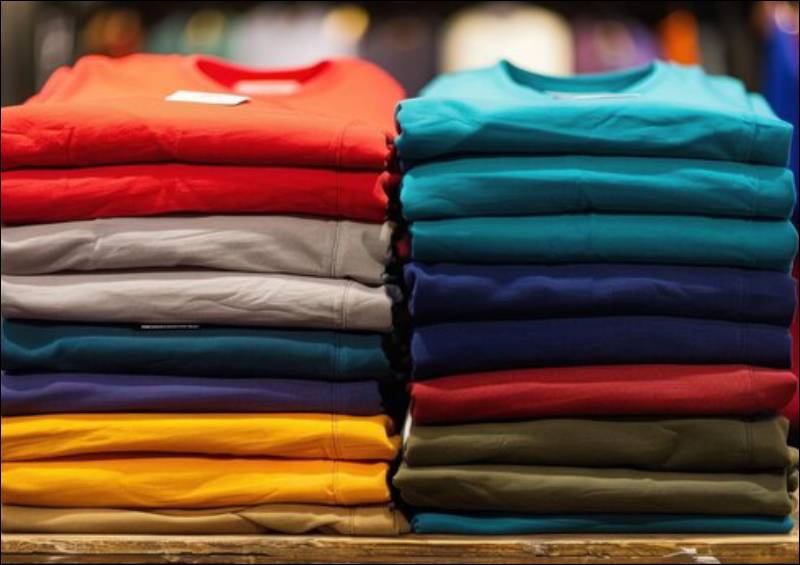
Australia’s textile and apparel sector has shown resilience in recent months, with trade flows stabilising despite a marginal decline in apparel imports between July and October 2025. The recovery in October, ahead of the summer festive shopping season, indicates renewed activity across the retail and manufacturing supply chain.
Apparel imports, which softened in the early part of the July–October period, improved in October as retailers began building inventories in preparation for higher consumer demand during the Christmas and New Year season. The rebound suggests that, while market conditions remained cautious, the sector retained sufficient momentum to respond to seasonal demand.
Several factors contributed to the earlier slowdown. Inflationary pressures prompted some retailers to adopt conservative purchasing strategies, while others focused on clearing existing inventories before placing fresh orders. Currency fluctuations also influenced import costs, affecting procurement decisions during the period.

Beyond apparel, trends in related segments pointed to continued activity in the broader textile value chain. Imports of textile yarn and fabrics recorded steady growth, reflecting ongoing demand from domestic manufacturing and processing units. Rising fibre imports also indicated inventory replenishment and preparations for future production cycles.
On the export front, fibre shipments recorded a strong recovery in October, supported by renewed demand from Asian markets. The rebound followed a relatively challenging year-to-date performance and signaled improving external demand for Australian textile raw materials.