FAIR Report Questions Green Claims In Bangladesh Garment Sector
A new investigation by FAIR, the organisation coordinating Campagna Abiti Puliti (CAP) and part of the Clean Clothes Campaign (CCC) network, has highlighted significant gaps between environmental certifications and labour conditions in Bangladesh’s garment industry.
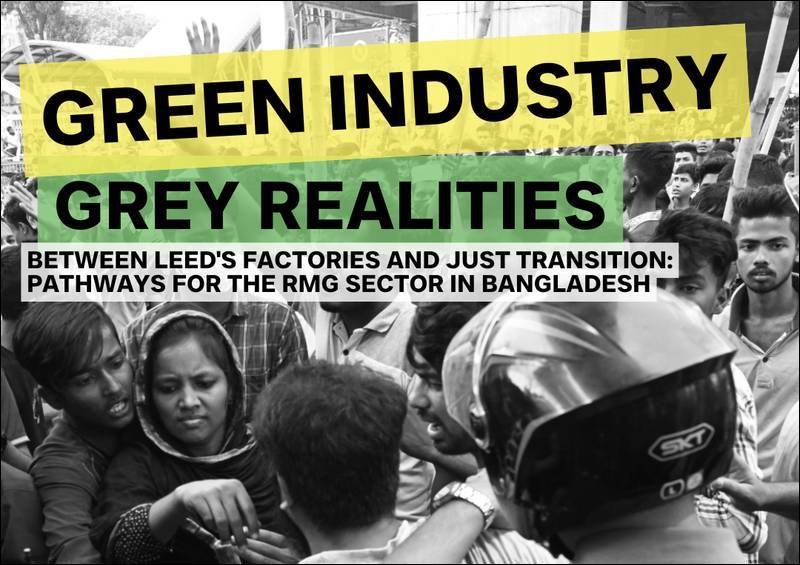
Titled Green Industry, Grey Realities: Between LEED’s Factories and Just Transition: Pathways for the RMG Sector in Bangladesh, the report is based on data collected between October 2024 and May 2025 in collaboration with the Bangladesh Centre for Worker Solidarity. It examines conditions in a sector that supplies major global brands and employs around four million workers, most of them women.
The study argues that a just transition in fashion requires simultaneous progress on environmental protection, workers’ rights and quality employment. While Bangladesh is the global leader in LEED-certified garment factories, an indicator of environmentally sustainable buildings, the report finds that certification does not necessarily guarantee decent wages, safe working conditions or freedom of association.

Field research in eight LEED-certified factories found an estimated 70 percent gap between current wages and a living wage, along with reports of heat stress, poor ventilation, excessive dust and gender-based violence and harassment. The factories surveyed also lacked trade union representation, with workers reporting reluctance to raise complaints due to fear of retaliation.
The report calls on brands that have not yet signed the International Accord for Health and Safety in the Textile and Garment Industry to join the binding agreement. It also urges existing signatories to expand inspections and corrective action plans to include climate-related risks such as heat stress, while ensuring fair purchasing practices and responsible sourcing.
FAIR further recommends that brands, suppliers and the Government of Bangladesh strengthen collective bargaining, prevent gender-based violence and harassment and ensure workers’ right to organise. The recognition of a living wage is identified as a key climate-adaptation measure, enabling workers to secure safer housing, better nutrition and improved living conditions.
Bangladesh has been a major global apparel exporter since the 1980s and is now the world’s second-largest supplier after China, with exports exceeding US$ 34 billion before the pandemic. However, the report warns that without stronger investment in climate-resilient infrastructure and worker protection, the industry could face growing social and environmental risks.
The findings come as the sector continues to reflect on the legacy of the Rana Plaza disaster, which exposed systemic safety failures and prompted global efforts to improve labour standards in garment supply chains.