
Filatex To Commission India’s First Circular Polyester Platform

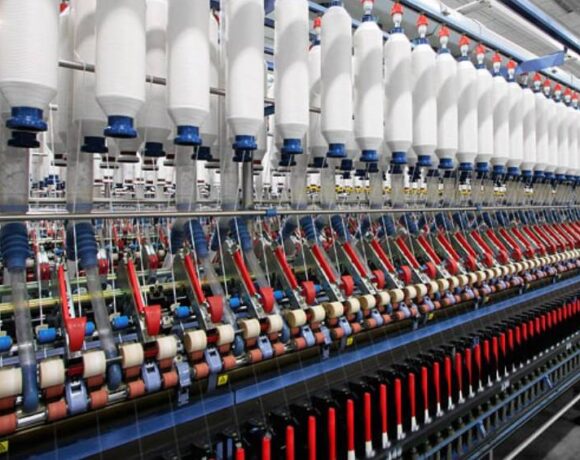
Filatex India has announced the launch of ECOSIS, India’s first commercial-scale textile-to-textile circular polyester recycling platform, marking a major step in its transition from a virgin PFY manufacturer to an integrated circular producer.
The greenfield project entails a capital investment of Rs 300 crore and is expected to generate an estimated EBITDA of Rs 75–80 crore per annum at steady state. With a planned capacity of 26,750 tonnes per annum, the facility is scheduled for commissioning in September 2026.
ECOSIS will convert end-of-life textiles into virgin-grade recycled polymer and yarn through advanced depolymerisation technology, directly addressing the growing global demand for true circular polyester solutions.

In a significant commercial development, Texfil, a subsidiary of Filatex, has signed a Memorandum of Understanding (MoU) with Decathlon India (Indeca Sporting Goods Pvt. Ltd., part of the Decathlon Group) to collaborate on the adoption of recycled polyester in sports apparel.
Under the agreement, Decathlon will trial ECOSIS recycled polyester chips and yarn with its Indian manufacturing partners. Both parties will explore systems to collect textile waste for recycling through Texfil.
The partnership provides early-stage commercial validation for the ECOSIS platform and establishes a demand pipeline ahead of plant commissioning. It also strategically connects Filatex to one of the world’s largest sportswear retailers at the pilot stage.
The initiative comes amid mounting global concern over textile waste. Nearly 92 million tonnes of textiles are discarded annually worldwide, with polyester accounting for around 60 percent of total fibre consumption. Being non-biodegradable, polyester contributes significantly to long-term landfill burdens.
Current recycling models largely follow a bottle-to-textile approach, where PET bottles are converted into fibres. However, garments eventually end up as waste, creating what regulators and brands now describe as downcycling rather than true circularity.
Global fashion brands are increasingly committing to sourcing 25–50 percent textile-to-textile recycled polyester by 2030. At the same time, regulatory frameworks are tightening. The European Union has mandated separate textile waste collection by 2025 under Extended Producer Responsibility (EPR) norms, while similar accountability measures are expanding across the US and Asia. India is also working on MMF and textile recycling frameworks aligned with global circularity standards.
Despite rising commitments, meaningful commercial-scale depolymerisation capacity remains limited globally, resulting in a significant supply gap for virgin-grade circular polyester.
Commenting on the development, Madhu Sudhan Bhageria, Chairman & Managing Director of Filatex India, said supportive policy measures, improved market access through recent trade agreements and sustainability-driven sourcing shifts in Europe are creating strong tailwinds for the Indian textile sector. He added that with its scale, integrated manufacturing base and early leadership in circular recycling, Filatex is well positioned to capitalise on these trends and drive sustainable long-term growth.
With ECOSIS, Filatex Recycling aims to position itself at the forefront of India’s emerging circular polyester ecosystem, bridging the gap between sustainability commitments and scalable industrial solutions.