Japanese Textile Companies Are Looking To Expand Investment And Sourcing From India: Goyal
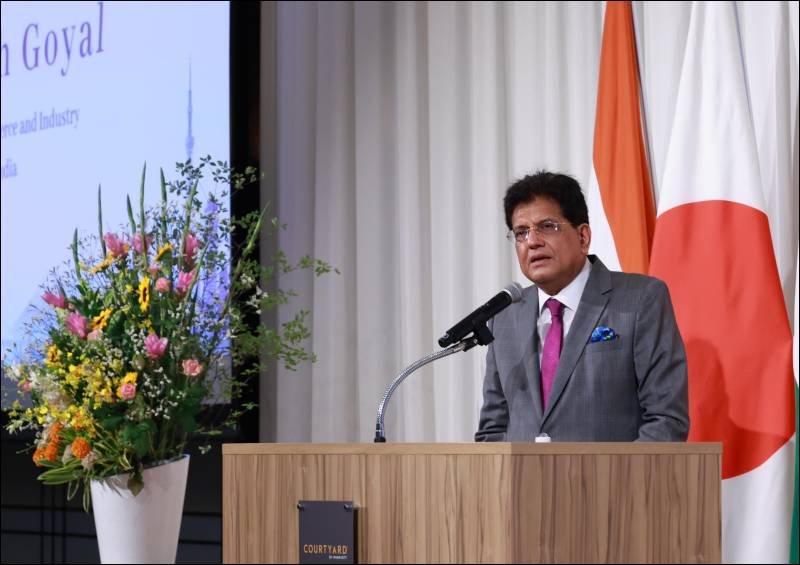
Japanese textile and apparel companies, including Uniqlo, are looking to expand their investments in India and increase sourcing from the country for both Japanese and global markets, Commerce and Industry Minister Piyush Goyal said on August 26.
Goyal made the remarks following his meeting with Tadashi Yanai, Chairman, President and CEO of Fast Retailing Co. Ltd. and Uniqlo, during his visit to Japan. The discussions focused on opportunities to strengthen India-Japan cooperation in retail, manufacturing and sustainable business practices.
According to Goyal, discussions with major Japanese textile importers and marketing companies indicated growing confidence in India as a manufacturing and sourcing destination. He said Japanese businesses are exploring opportunities to establish a larger presence in India while sourcing products for their international operations.

“My meetings today with some of the largest importers and marketing companies of textiles give me the confidence that we will see a larger presence in India, both through investment to expand their businesses in India and sourcing from India for Japan and global markets,” Goyal said.
He specifically highlighted Uniqlo’s interest in expanding its engagement with India, noting the company’s extensive global retail network and significant turnover.
Goyal also described Yanai’s enthusiasm for expanding business engagement with India, saying that the Uniqlo chief displayed strong interest in exploring new opportunities in the country.
Uniqlo entered the Indian market in October 2019 and has since expanded its retail presence to more than 20 stores as of July 31, 2026. The company became profitable in India within three years of commencing operations, reporting profitability in FY22.
India Gains Ground in Japanese Textile Market
Goyal also pointed to changing opportunities for Indian textile manufacturers in the Japanese market. Historically, Indian companies have faced difficulties in meeting Japanese specifications because their manufacturing capabilities have traditionally been geared more towards European markets.
“Indian textile firms were not able to crack Japanese requirements as they are so used to making for Europe,” Goyal said, pointing out differences in materials, clothing styles and sizing between the two markets.
However, he said Indian manufacturers are now showing greater willingness to understand and adapt to Japanese requirements. This could create new opportunities for Indian textile and apparel exporters, particularly as Japanese buyers place a strong emphasis on quality.
The minister also noted that Japanese consumers and businesses operate in a market characterised by stringent quality and regulatory standards. Indian companies seeking to increase exports to Japan will therefore need to strengthen their ability to meet these requirements consistently.
Goyal cited Japan’s high standards in sectors such as food as an example of the importance placed on quality and regulatory compliance.
“Every country has the right to have strong regulations, including on food items. After all, as consumers, we want hygienic food and high-quality food,” he said.
The growing interest from Japanese companies could provide an opportunity for India to strengthen its position as a global textile and apparel manufacturing hub. Greater Japanese investment, combined with increased sourcing from Indian manufacturers, could also support the integration of Indian suppliers into global value chains.