
India’s Apparel Retail Revenue To Grow 12-13% In FY27: Crisil
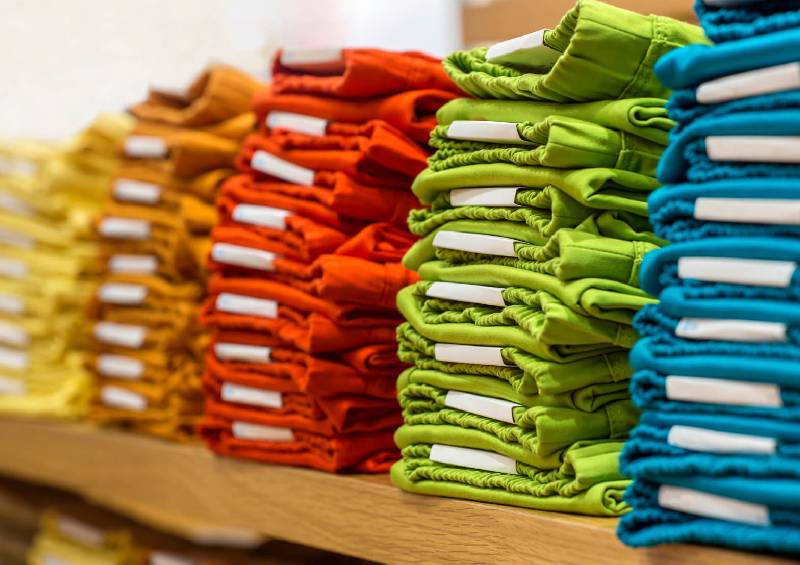
India’s organised apparel retail sector is expected to record revenue growth of 12-13% in the current fiscal, driven by rising demand for value fashion, expansion into smaller cities and consumers’ continued preference for branded apparel, according to Crisil Ratings.
The growth, however, is likely to moderate from around 15% recorded last fiscal as consumers allocate a greater share of their discretionary spending to categories beyond apparel. Higher cotton prices and elevated operating costs are also expected to put pressure on profitability.
Retailers are likely to pass on only part of the increase in input costs to consumers amid intense competition, resulting in operating margins declining by around 100 basis points to approximately 14% in FY27, Crisil Ratings said.

The assessment is based on an analysis of 41 organised apparel retailers, which together account for nearly 28% of India’s organised apparel market.
Value fashion has emerged as the sector’s primary growth engine. Along with fast fashion and mid-premium apparel, largely priced below Rs 2,500, these segments account for around two-thirds of the sector’s revenue.
“Value fashion has emerged as the key growth driver for organised retailers, growing more than twice as fast as the other segments over the past three fiscals and increasing its share of revenue to 46% from 39%,” said Anuj Sethi, senior director, Crisil Ratings.
The shift reflects rising aspirational consumption among price-conscious consumers, greater product choice at lower price points and increasing penetration into smaller cities. While value fashion is expected to continue supporting volumes, its growing contribution from lower-priced apparel could moderate overall revenue growth to 12-13% this fiscal, Sethi said.
Between April and August 2026, sector revenue growth remained in the high single digits, with value fashion accounting for a significant share of the momentum. The upcoming festive season will be crucial for the sector, as festive spending typically contributes nearly 35% of annual apparel sales.
Physical stores are expected to remain central to the expansion of organised apparel retailers despite the growing importance of omnichannel shopping. Online sales currently account for only around 10% of total apparel retail sales, with stores continuing to generate the bulk of sector revenue.
Value-fashion retailers are leading store expansion in relatively underpenetrated tier-II and tier-III cities. Lower establishment and operating costs in these markets are allowing retailers to expand their networks without significantly increasing leverage.
Capital expenditure is expected to remain around Rs 2,500 crore in FY27, broadly unchanged from the previous fiscal. Retailers are pursuing calibrated expansion in larger cities while allocating comparatively lower capital towards stores in smaller markets.
The stable pace of expansion is expected to support the credit profiles of organised apparel retailers. Among the rated retailers covered by Crisil, average gearing is projected to remain around 1.3 times by the end of FY27, while interest cover is expected to remain healthy at approximately eight times.
However, store productivity remains a key concern. Revenue per square foot has remained broadly flat at around Rs 11,000 over the past three fiscals and is unlikely to improve significantly this year as same-store sales growth remains subdued.
“Growth continues to be driven primarily by new store additions and the increasing share of the value-fashion segment. With rising cotton prices and elevated operating costs likely to lower operating margins somewhat to around 14% this fiscal, maintaining the balance between growth and profitability will remain critical,” said Poonam Upadhyay, director, Crisil Ratings.
The pressure on cotton prices also adds to the challenges for apparel retailers and manufacturers, particularly as intense competition limits their ability to fully pass higher input costs to consumers.
Meanwhile, inventory management is becoming increasingly important as retailers expand their networks and fashion cycles shorten. Companies are focusing on faster replenishment and more responsive sourcing to reduce inventory obsolescence and write-offs.
These measures could help retailers support network expansion without materially increasing working capital requirements, while enabling them to respond faster to changes in consumer demand.
Overall, Crisil expects the organised apparel retail sector to maintain a healthy growth trajectory in FY27, although profitability will depend on how effectively retailers manage cotton costs, store productivity, inventory and the shift towards lower-priced value fashion.