CITI Warns Of Fresh US Tariff Risk To Indian Textile, Apparel Exports
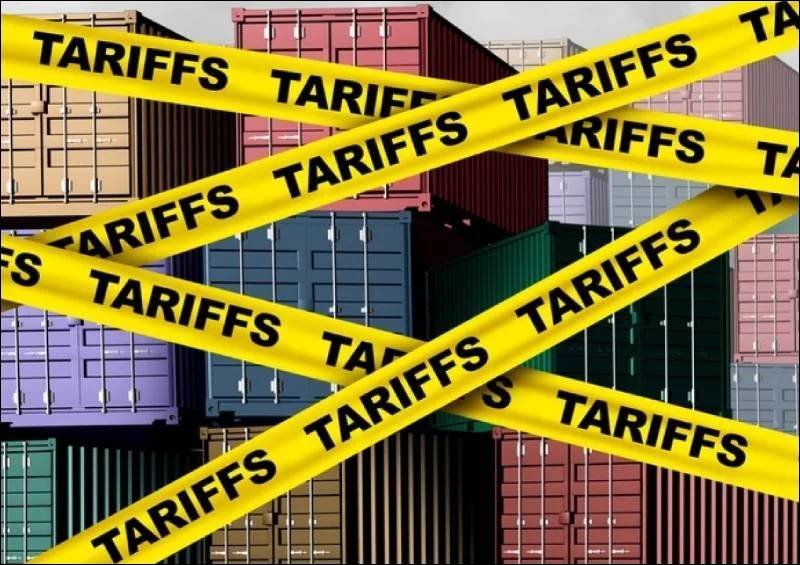
The Confederation of Indian Textile Industry (CITI) has raised concerns over the potential impact of additional US tariffs on Indian textile and apparel exports following the signing of the Lindsey O. Graham Sanctioning Russia and Iran Act of 2026 by US President.
The industry body said any additional tariff burden could further squeeze Indian exporters, particularly the large number of MSMEs that dominate the textile and apparel sector and are already facing pressure from weak demand, geopolitical disruptions and rising costs.
The United States is the single-largest export market for India’s textile and apparel industry, making tariff developments in the country a key concern for Indian exporters.

“Any additional tariffs under this Act will be very difficult to absorb for the MSME-dominated Indian textile and apparel sector already under stress due to several factors, including the continuing turmoil in West Asia,” CITI Chairman Ashwin Chandran said.
He urged the Indian government to intensify discussions with Washington to ensure that Indian exporters are not placed at a disadvantage in the US market.
“We eagerly look forward to the Government of India engaging more closely with the United States to ensure that Indian exporters are not disadvantaged and rendered completely uncompetitive in the world’s No. 1 economy,” Chandran said.
CITI said the immediate priority should be a fair and predictable bilateral trade framework between India and the US. India and the US have been negotiating a bilateral trade agreement, with market access and tariff issues forming an important part of the discussions.
The industry body said a balanced trade agreement could provide greater certainty to exporters and strengthen the competitiveness of Indian textile and apparel companies in the US market.
India’s expanding network of free trade agreements could provide exporters with additional market opportunities, but these markets cannot immediately replace the importance of the US, CITI said.
“The FTAs offer a lot of potential, but the gains from those are not automatic for exporters and will take time to materialise,” Chandran said.
India’s trade agreements with the UK and European Union are expected to open additional opportunities for the textile and apparel industry. The India-UK Comprehensive Economic and Trade Agreement (CETA) came into effect on July 15, 2026, while the India-EU FTA is expected to become operational next year.
The concerns come against the backdrop of a mixed export performance by the Indian textile and apparel sector.
In August 2026, India’s combined textile and apparel exports increased 6.39% in US dollar terms from a year earlier. Textile exports rose 13.03%, while apparel exports declined 2.74%.
For April-August 2026, textile exports grew 6.94%, but apparel exports fell 9.10%, resulting in a marginal 0.24% decline in combined textile and apparel exports compared with the corresponding period last year.
CITI said the India-US trade relationship has considerable scope for value-chain integration, technology partnerships and supply-chain resilience. A predictable trade framework, it said, could strengthen bilateral commercial engagement and support the long-term competitiveness of textile and apparel businesses in both countries.
For Indian exporters, the potential for additional tariffs adds another layer of uncertainty at a time when apparel shipments are already under pressure. The industry is therefore seeking greater clarity on the tariff regime and faster progress in bilateral trade negotiations.