
PariSpin Pro: Adding Character To Yarn, Creating Value For Spinners

By Pavan Kumar Hugar
Fabric character begins with yarn. Before a garment is cut or a fabric is finished, the yarn has already shaped its texture, appearance and identity. For spinning mills seeking to broaden their product offering, this creates an opportunity to supply yarn that contributes both structural performance and a distinctive visual effect.
Fancy yarns serve this purpose by introducing deliberate variations in yarn structure. Slub yarn, in particular, brings texture through controlled changes in thickness, helping designers create fabrics with individual character. PariSpin Pro, the slub attachment from Parinita Technologies, addresses this space where textile creativity meets spinning technology.

 Yarn as a design element
Alongside the continuing requirement for uniform, consistent yarn, textile producers also need yarns that create a recognisable fabric appearance. Subtle surface variations can add interest to an otherwise simple construction, while more pronounced effects can become the defining feature of a collection.
Slub yarn is one established route to this differentiation. Its intentionally thicker sections introduce visible texture into woven and knitted fabrics. CottonWorks describes slub yarns as spun yarns with pronounced variations in width, illustrating how yarn structure itself can contribute to fabric appearance.
For spinners, the opportunity lies in translating a designer’s desired appearance into a yarn specification that can be manufactured consistently. A fabric may look naturally irregular, but producing that appearance reliably requires control.
 Why fancy yarn matters for spinning mills
Conventional yarn remains essential to the textile supply chain. Fancy yarn provides an additional avenue for mills to develop products around customer-specific requirements.
Instead of competing only on yarn count, fibre composition and price, a spinner can also offer a particular texture or effect. This creates scope for closer collaboration with fabric manufacturers and designers, from initial sampling through to repeat production.
The potential benefits include:
- Product differentiation: A broader offering of yarns with distinct visual characteristics.
- Value-added opportunities: Scope to seek better realisation where customers value the developed effect.
- Customer engagement: Joint development of yarns for specific fabrics and collections.
- Portfolio flexibility: The ability to address selected fashion and specialty requirements alongside conventional production.
These benefits depend on commercial and production discipline. A premium selling price alone does not establish profitability; mills must also consider productivity, end-break behaviour, waste, changeover time and downstream performance.
The objective is therefore to develop an effect that is attractive, reproducible and commercially viable.
Slub yarn: Deliberate variation, disciplined production
The character of a slub yarn depends on the relationship between its base yarn and its thicker sections. Slub length, thickness, spacing and distribution all influence the resulting appearance.
Short, closely spaced effects can produce a different fabric character from longer, more widely separated slubs. Equally, a pattern that looks suitable on a yarn sample may appear differently when repeated across a fabric.
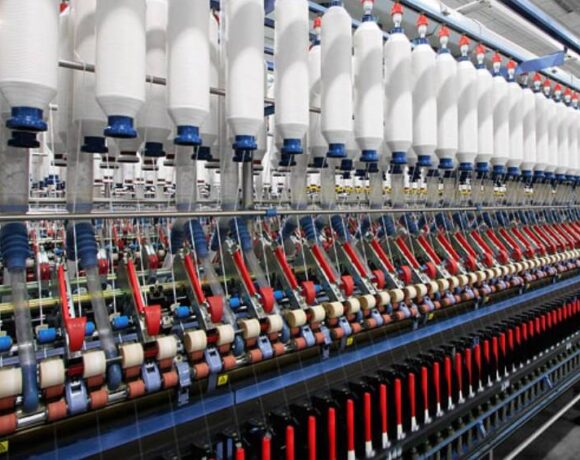
In a typical slub-spinning arrangement, controlled changes in fibre feed relative to yarn delivery create the required variations in linear density. These changes must be coordinated with the spinning process so that the intended effect remains compatible with yarn formation.
Successful development therefore extends beyond generating thick places. Yarn strength, twist distribution, winding behaviour and weaving or knitting performance must also be assessed. Fabric sampling remains an essential step in confirming whether the yarn delivers the intended result.
 PariSpin Pro: Precision through servo control
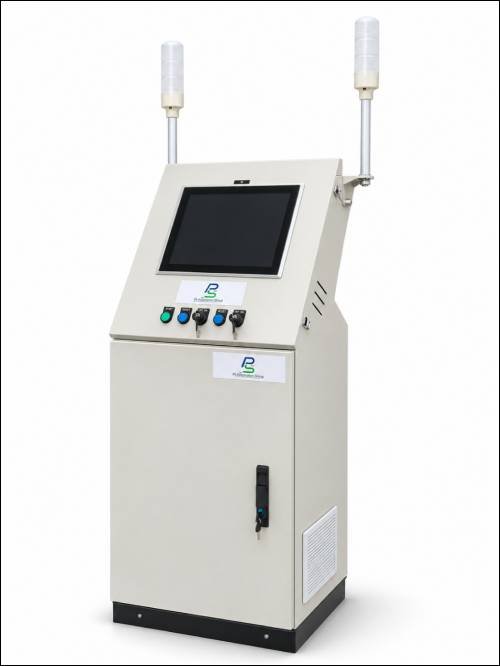
PariSpin Pro combines servo motor control with a fast, new-generation processor to generate accurate slub effects. The servo motor controls the speed variations required to form slubs, while the processor coordinates these commands with the spinning process.
This combination supports precise execution of the intended slub pattern, where the timing and response of each speed change influence the yarn’s character. Fast processing helps manage closely-timed commands, while responsive servo control translates them into controlled motor movement.
For spinners, this technology connects creative yarn development with production control—helping turn a desired slub effect into a consistently executed pattern.
From yarn supply to product development
Fancy yarn gives spinners an opportunity to participate earlier in the textile design process. A discussion that begins with a fabric reference can develop into a defined yarn effect, a trial lot and, ultimately, an approved production specification.
This changes the nature of the customer relationship. The spinner contributes to the identity of the finished textile, while dependable repeat production supports continuing orders.
PariSpin Pro represents Parinita Technologies’ contribution to this opportunity—showcasing slub attachment technology for mills seeking to add character to yarn and expand their value-added offering.
PariSpin Pro — Character in every yarn. Possibility in every fabric.
(Pavan Kumar Hugar is the Owner of PariSpin Pro)