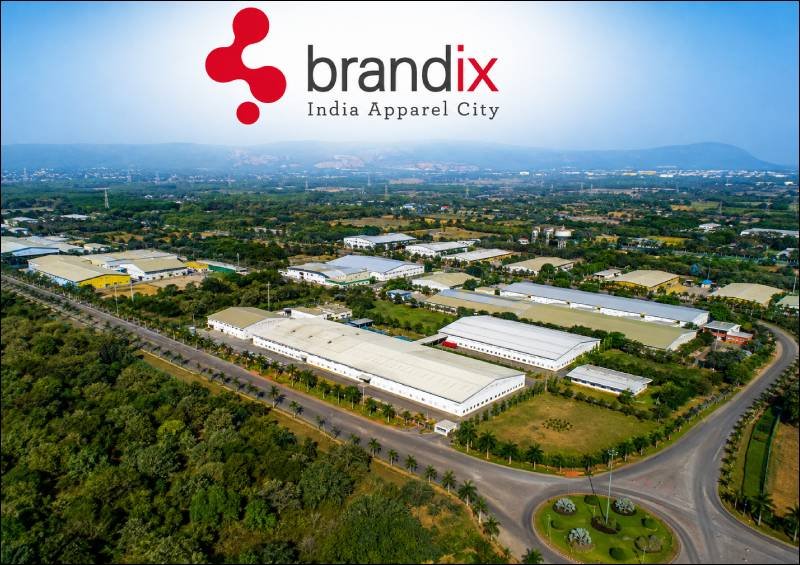

Brandix India Apparel City’s first manufacturing unit has evolved into one of the world’s largest production hubs for Victoria’s Secret panties. Sumudu Priyanga explains how operational excellence, workforce stability and an integrated manufacturing ecosystem continue to

Factories Become World-Class When They Create Systems That Allow People To Succeed: Rasika Amarakoon
When Rasika Amarakoon took charge of Brandix India Apparel City’s largest manufacturing unit four years ago, she inherited a factory operating at nearly 40 per cent efficiency. Today, it consistently delivers close to 80 per cent. Henry Dsouza visits Brandix’s Unit B2 and speaks with Rasika Amarakoon to understand how she transformed a complex operation, […]
At a time when global apparel manufacturing is being reshaped by geopolitics, shifting trade policies, supply-chain disruptions and rising sustainability expectations, Brandix Apparel City offers a distinctive model of integrated manufacturing and long-term industrial development. The future of apparel manufacturing is increasingly moving beyond the traditional factory
The Bandha may be tied and dyed, but its future need not remain tied down. Sambalpuri Ikat has already mastered the art of holding its colours, it must now learn to spread its wings. Sambalpuri Ikat has never lacked identity. Its colours, motifs and Bandha technique (tie and dye) carry generations of knowledge. Yet cultural […]
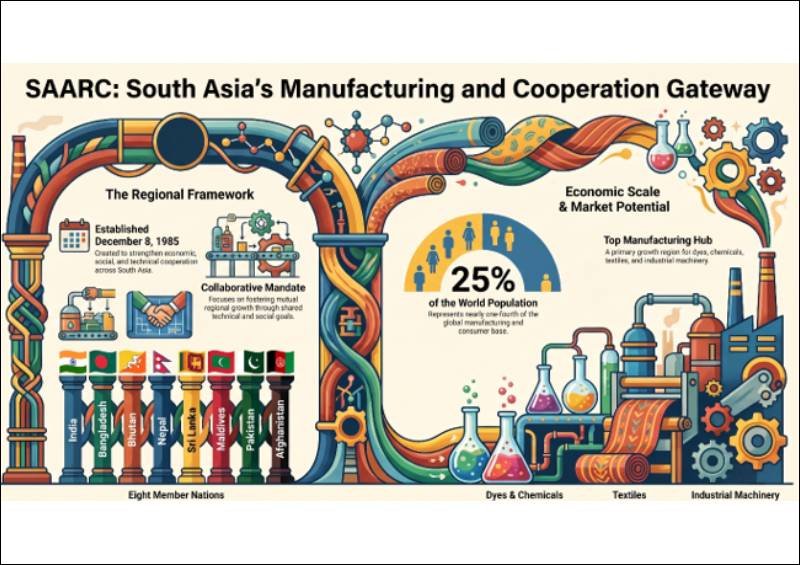
What is SAARC South Asia is often discussed through the lens of politics, yet for manufacturers of dyes, chemicals, textiles and textile machinery it represents one of the most promising regional business opportunities in the world. The South Asian Association for Regional Cooperation (SAARC), established on December 8, 1985, was created to strengthen economic, social […]
I still remember standing beside a production head at a processing unit in Delhi, both of us staring at his monthly chemical bill. It had tripled in five years, but his output and quality hadn’t. That gap, I’ve come to realise after 18 years walking processing floors across Delhi NCR, is the real story of […]
We had been supplying blended yarns for years. Cotton/polyester, cotton/modal, cotton/viscose — you name it. But we had never asked the question our Japanese buyer asked one fine morning. We were discussing the possibility of supplying cotton–viscose blended yarn from our Vortex machine when Takamori suddenly leaned forward and asked: “In a blended yarn, which […]
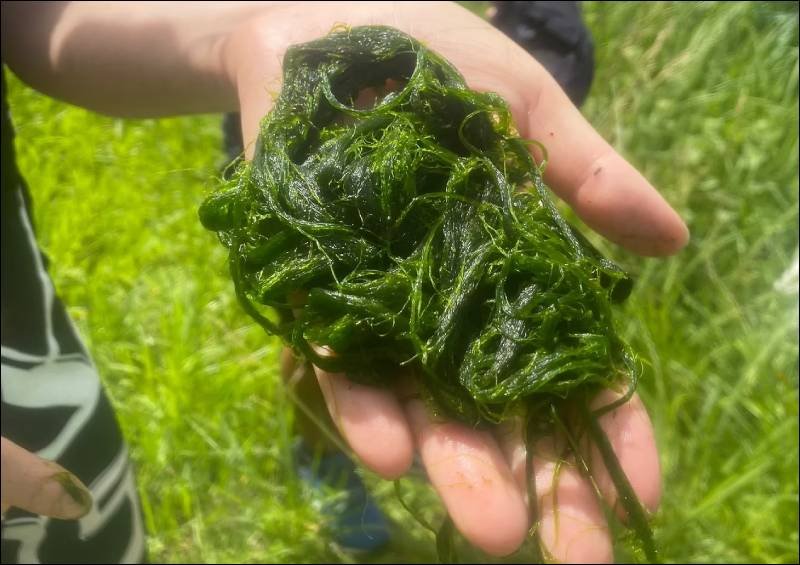
Venice-based start-up Algae Scope has developed a bio-based additive made from residual seaweed biomass that can provide water and fire repellent properties to textiles, offering a potential alternative to PFAS, commonly known as “forever chemicals”. PFAS are widely used in textile and other industrial applications to provide resistance to water, stains and fire. However,
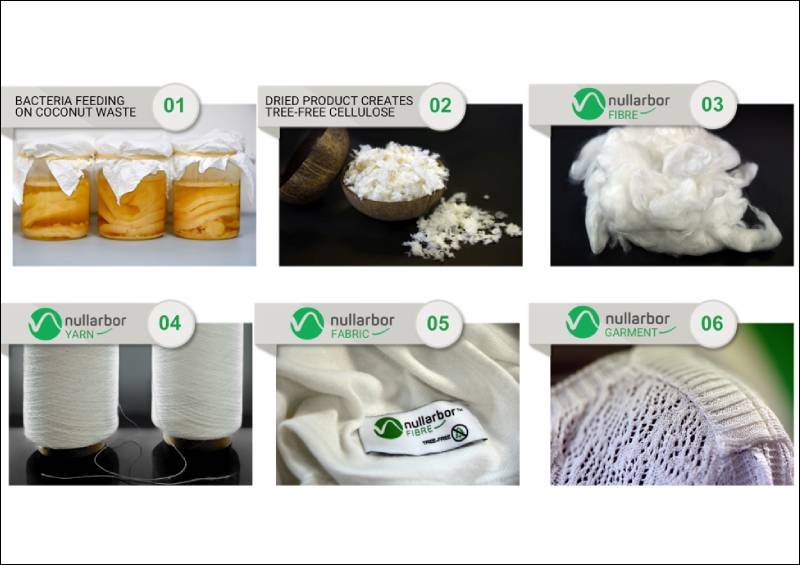
Australian biomaterials company Nanollose Ltd has developed a wearable garment made using its Tree-Free Viscose fibre, Nullarbor, produced from sustainable coconut waste. The sweater marks a development in the search for alternatives to conventional viscose and cotton, both of which have significant environmental impacts. Nanollose said its fibre was produced by using
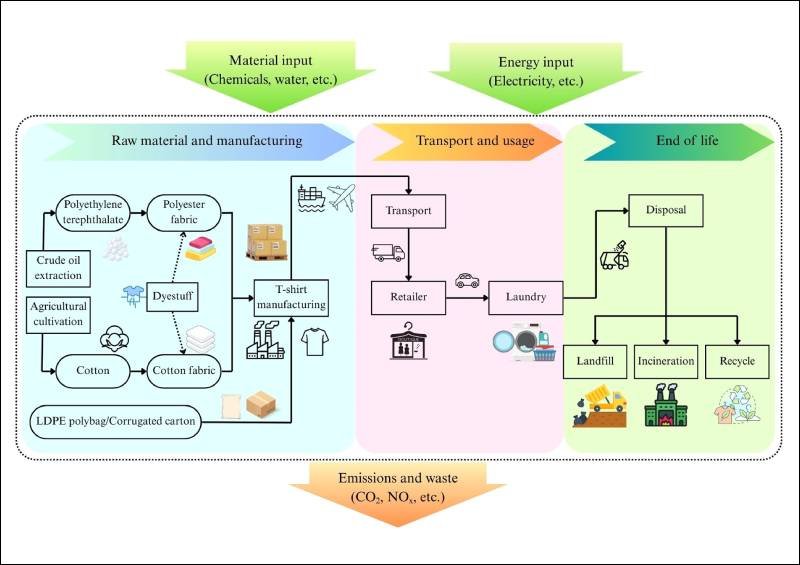
A new study led by Concordia University has found that extending the lifespan of garments and replacing air freight with sea transport could significantly reduce the environmental impact of fast fashion. The study examined the full life cycle of cotton and polyester T-shirts, assessing environmental impacts at various stages, including fibre production, garment