Bangladesh RMG Exports To EU Surge, Compliance Challenges Ahead
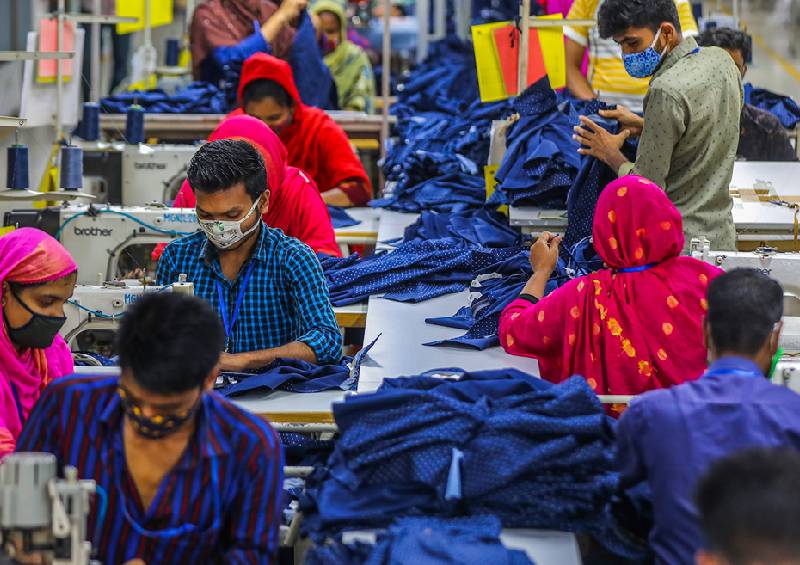
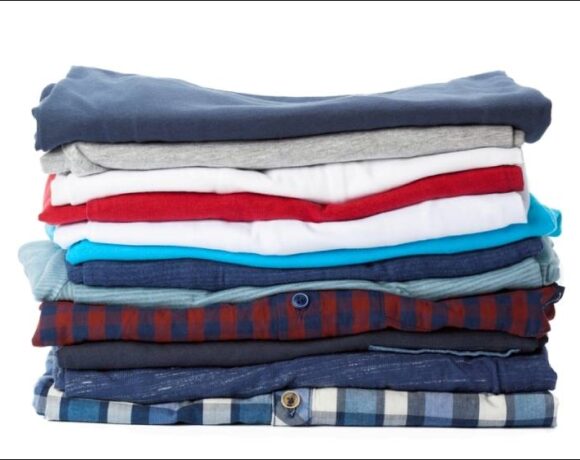
Bangladesh’s readymade garment (RMG) exports to the European Union (EU) rose 48.34% between 2020 and 2024, reaching €18.79 billion, consolidating its position as the bloc’s second-largest apparel supplier.
Data from Eurostat shows exports climbed from €12.32 billion in 2020 to €18.28 billion in 2024, outpacing the EU’s overall apparel import growth of 24.92% during the same period. The EU imported €85.55 billion worth of apparel in 2024, up from €68.48 billion in 2020, reflecting resilient demand despite global economic uncertainties.
China remained the EU’s top apparel source, followed by Bangladesh, Turkey, India and Vietnam.
While Bangladesh’s market share has strengthened, sustaining the growth will be increasingly challenging as EU buyers push for stricter sustainability and transparency in supply chains. The Corporate Sustainability Due Diligence Directive (CSDDD), adopted in April 2024, along with the Green Deal and Digital Product Passport requirements, will make compliance mandatory for suppliers.
Bangladesh’s RMG sector, which accounts for nearly half of its total apparel exports to the EU, has begun preparing for these changes. Industry initiatives include labour law amendments, national action plans, skill development programmes supported by the ILO, factory safety improvements, certifications, and digital systems for traceability. Currently, Bangladesh has 263 USGBC LEED-certified factories, the highest in the world, including 111 platinum-rated and 133 gold-rated units.
Global market dynamics are also shifting. With the US imposing steep tariffs on China and India, both countries are increasing their focus on the EU market, raising competitive pressures for Bangladesh. At the same time, eurozone inflation held steady at 2% in July 2025, supporting consumer spending capacity on fashion.
To maintain momentum, Bangladesh’s apparel industry will need to scale up sustainable production, diversify into higher-value and design-driven products, and strengthen backward linkages and logistics. Policy incentives, tax reforms and green investments will be crucial to sustaining its competitiveness in the evolving EU market.