
Mexico’s Cotton Sector Under Pressure

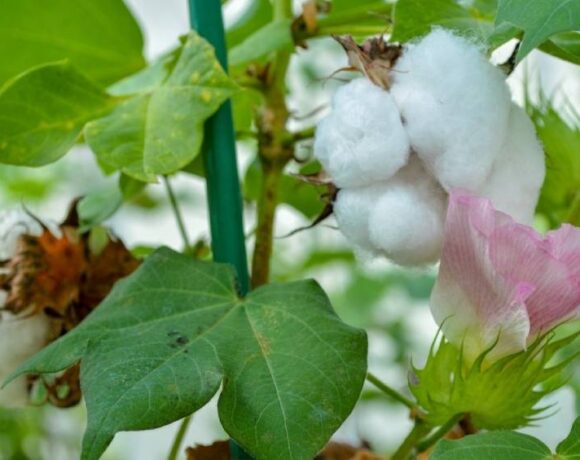
Mexico’s cotton sector is heading into one of its toughest seasons in recent years, with production in MY 2025/26 forecast to fall nearly 50 per cent to 0.55 million bales. Farmers across key producing states, including Chihuahua and Baja California, are sharply cutting acreage as low global prices, soaring input costs and prolonged drought erode profitability.
Planted area is expected to drop to just over 70,000 hectares, down 45 per cent year-on-year. Input costs for seeds, fertilisers, chemicals and fuel are running around 30 per cent higher, while depleted reservoirs have restricted irrigation in most cotton-growing regions. Although fibre quality remains acceptable in some areas, yields are projected to decline due to water stress and continued reliance on obsolete seed varieties, with no new genetically engineered cotton approvals since 2019.
The contraction in domestic supply is reshaping trade flows. Cotton imports are forecast to rise 25 per cent to 0.75 million bales, with the United States retaining its dominant share under the USMCA. Exports, meanwhile, are expected to fall by more than half to 0.08 million bales, as limited availability and weak international prices curb shipments.
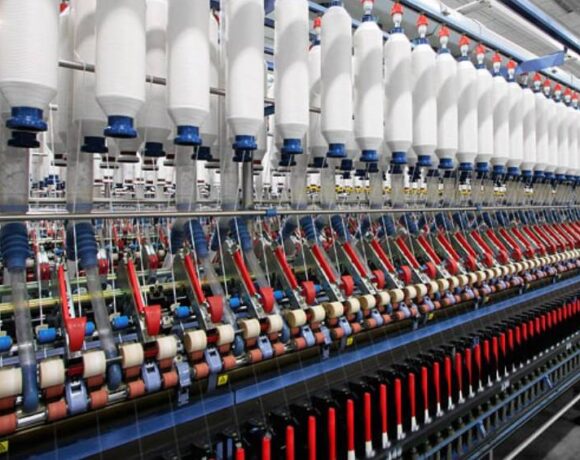
Downstream, Mexico’s textile industry remains under pressure. Domestic cotton consumption is forecast to edge lower to 1.37 million bales, constrained by soft apparel demand, rising inflation and intense competition from low-cost textile and garment imports, particularly from Asia. Several spinning and denim plants are operating below capacity, with closures expected in key textile hubs.
Ending stocks are projected to tighten sharply to 0.10 million bales, highlighting supply vulnerability. The strain was underscored by a warehouse fire in Puebla in September 2025 that destroyed 20,000 bales, equivalent to about 1.5 per cent of annual consumption.
With prices near multi-year lows and structural challenges unresolved, Mexico’s cotton sector is entering a defensive phase focused on managing risk rather than growth.