Aramina are long fibres obtained from the stems of the mallow plant, Urena Lobata, which is native to Brazil. Aramina fibres are used for cords, twine and burlap fabrics. This invasive plant was classified as a noxious weed in the U.S. in 1999. A bast fibre belonging to the botanical family
Even as India, China and Türkiye face challenges such as declining export values and shifting market dynamics, opportunities for growth and adaptation abound, particularly in emerging markets, writes Henry Dsouza, Associate Editor, Textile Insights The global export outlook of knit T-shirts reflects shifts in consumer demand, economic conditions and trade dynamics. From
In a bid to bolster the credentials of The Good Cashmere Standard (GCS) as a symbol of sustainably produced and traceable cashmere fibre from inner Mongolia, the Aid by Trade Foundation (AbTF) has collaborated with TextileGenesis, A Lectra company. This collaboration marks a significant milestone in advancing transparency and traceability within the cashmere production
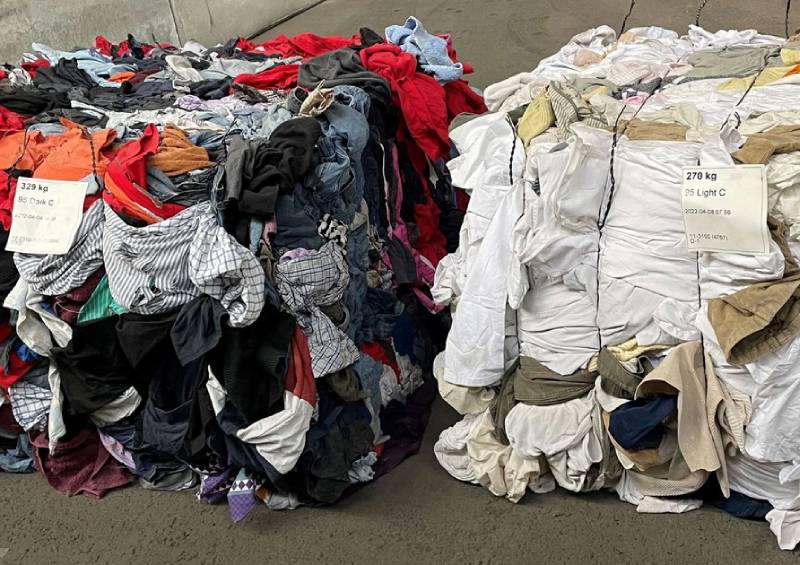
In a recent joint statement, the governments of Denmark, France and Sweden have urged the European Commission to present a draft Council Decision on a shared EU proposal. This proposal aims to subject textile waste to stricter control mechanisms under the Basel Convention, ostensibly to improve waste management practices. However, EuRIC Textiles, the textile reuse […]
In a bid to address challenges within its cotton cluster system, Uzbekistan’s President issued directives in November 2023 aimed at revamping the organization of cotton clusters. Reports had highlighted issues such as non-compliance with local payment regulations by twenty clusters and financial struggles faced by 122 clusters in servicing debts. The pandemic-induced
The Cotton Association of India (CAI) has released its latest estimate for the cotton pressing numbers for the 2023-24 season. Despite various challenges and uncertainties, the CAI has decided to maintain its previous estimates for the ongoing season. According to the latest data released by CAI, the total cotton pressing estimate for the 2023-24 season […]
Iran’s cotton consumption for the 2023-24 period is forecasted to surpass the previous year’s record, reaching 900,000 bales. The majority of cotton yarn is utilized for domestic textiles and products. Despite a decade of stagnant cotton production, hovering around 300,000 bales, imports have surged to over 500,000 bales to meet the escalating domestic demand.
The Indonesian textile industry has shown encouraging growth in April 2024, overcoming the challenges like unprecedented hike in imported textiles and a decline in domestic demand some time ago. This was conveyed in the latest release of the Industrial Confidence Index (IKI) by the Ministry of Industry. Spokesperson for the Ministry of Industry, Febri Hendri […]
For profitable transition to organic cotton production, collaborative efforts involving government, banks, financial institutions and stakeholders in the textile industry are essential, says Dr. Ajay Ranka, Chairman & Managing Director, Zydex Group in an exclusive tete-e-tete with Henry Dsouza, Associate Editor of Textile Insights. What are the main barriers hindering
In the first quarter of this year, Chinese stock exchange listed textile manufacturing companies achieved a collective operating income of approximately Yuan 30.95 billion, up 9.8 percent year on year. Total net profit of these companies stood at Yuan 1.79 billion in the first three months of 2024, a year-on-year increase of 20.32 percent,” China […]