
Saxony Researchers Turn Pine Needles Into Fully Compostable Textiles
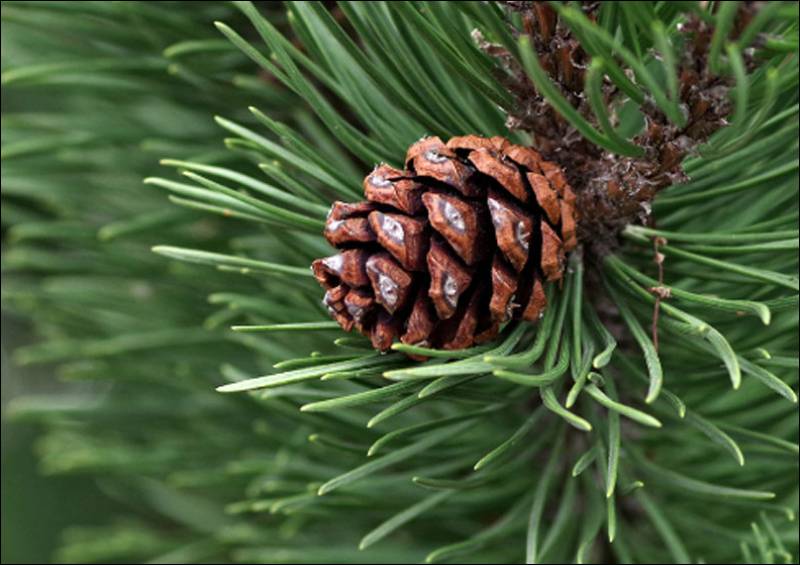
Pine needles that carpet Saxony’s forests have long been treated as waste, left to rot on the forest floor. Now, researchers at the West Saxon University of Applied Sciences Zwickau (WHZ) are transforming this overlooked resource into sustainable textiles. Under the ConFiTex project, the team is developing fully compostable yarn made from locally sourced conifer needles, an innovation with strong potential for the circular economy.
Launched in November 2025, the project aims to convert forest residues into usable textile fibres that can be processed into products such as T-shirts, towels and jackets. “Local conifer needles, previously considered waste, offer significant potential as a renewable raw material,” says project lead Prof. Katharina Jebsen-Plättner. The initiative aligns closely with the objectives of the European Green Deal, particularly in resource efficiency, waste reduction and sustainable material use.
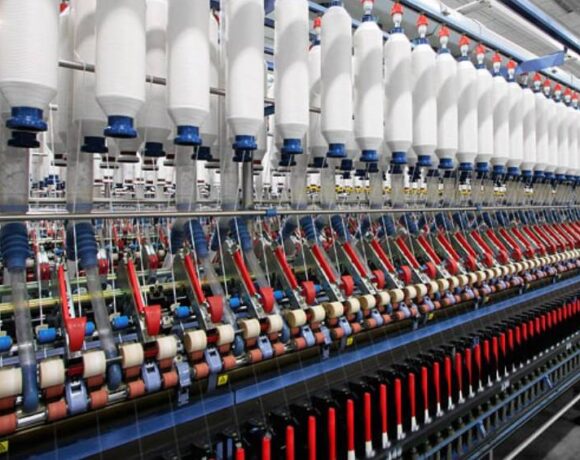
The interdisciplinary research team is examining the entire value chain from forest to finished fibre. The process begins with the chemical breakdown of pine needles, followed by fibre extraction, refinement and colouring using natural dyes. The resulting yarn is designed to meet Oeko-Tex standards, ensuring it is free from harmful substances and fully biodegradable.
Six early-career researchers are working alongside five professors, with support from partner institutions including the Technical University of Dresden and the Saxon Textile Research Institute in Chemnitz. Regional companies are also involved. According to WHZ, a key strength of ConFiTex lies in its close collaboration between engineering, natural sciences and design. While engineers focus on material performance, designers contribute insights on colour, texture and application.
Beyond fundamental research, the project is developing a range of yarn qualities and colour variations, leading to prototypes for concrete end uses. The defining feature of the material is its end-of-life performance: complete decomposition without microplastics or toxic residues.
ConFiTex is funded with nearly €1.4 million by the European Social Fund Plus and the Free State of Saxony, with a total project volume of around €1.5 million. A strong emphasis is placed on training young scientists and strengthening links between academia and industry, supporting Saxony’s transition towards a more innovative and sustainable economy.
While pine-needle textiles may not yet be ready for mass-market wardrobes, the research from Zwickau demonstrates how forest waste can be reimagined as a material for the fashion of the future.