
Bt Cotton In India: Two Decades On, A Story Of Transformation, Resistance, And The Road Ahead
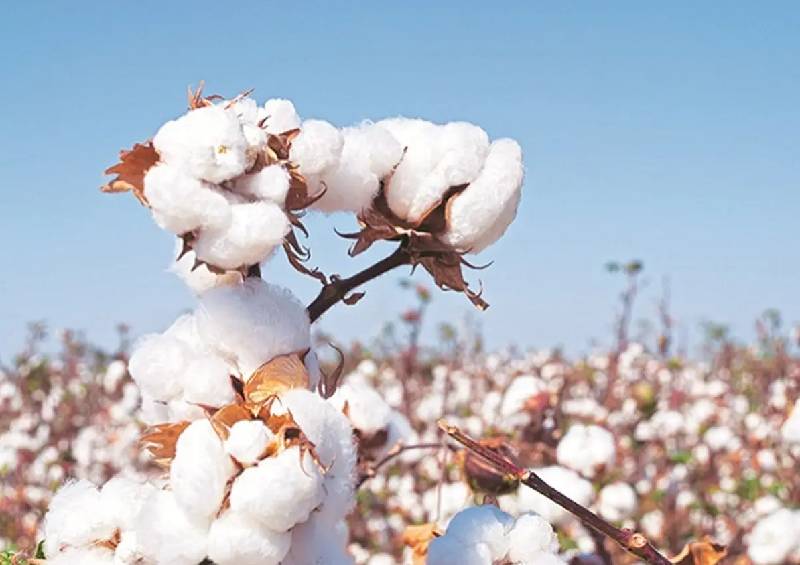
Bt cotton, introduced in India in 2002 as a genetically modified crop designed to resist the deadly bollworm pest, has revolutionized cotton farming across the country. In just over two decades, it has expanded to cover more than 95% of India’s cotton acreage, becoming one of the most widely adopted biotech crops in the world. A new in-depth study by the ICAR-Central Institute for Cotton Research (CICR), Nagpur, titled “Two Decades of Bt Cotton in India: Impact and Policy Imperatives”, sheds light on the remarkable highs and emerging lows of this transformative technology.
The report traces Bt cotton’s trajectory from early promise to complex challenges. During the first decade (2002–2013), Bt cotton triggered an agricultural boom. Cotton yields surged from a stagnant 6 quintals per hectare (q/ha) in the pre-Bt era to 16 q/ha by 2013. Farmers, especially in states like Gujarat, witnessed dramatic increases in income. Net profits in Gujarat peaked at Rs 76,333 per hectare (in constant 2011–12 prices) in 2011. Meanwhile, insecticide use fell sharply, dropping from 14–16% of total cultivation costs to just 6–8% during Bt cotton’s peak years, greatly reducing farmer exposure to harmful chemicals and production costs.
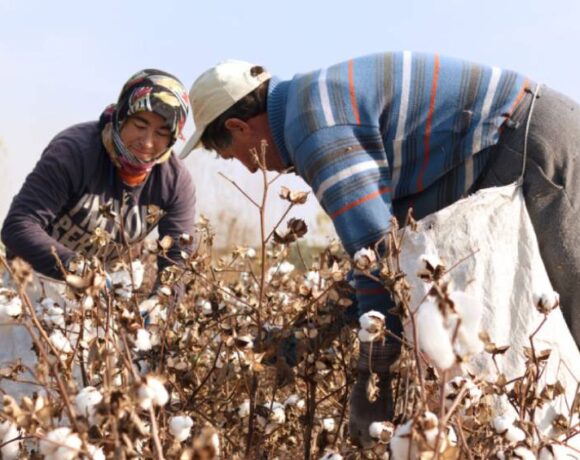
The report offers a nuanced look at the technology’s impact across different types of farms. Small and marginal farmers were early beneficiaries, often achieving better yields than larger holdings due to more intensive input use and close monitoring. But by the second decade (2013–2021), this trend reversed. Larger farms began to outpace smaller ones, leveraging better access to irrigation, mechanization and climate resilience.

The study marks 2013 as a turning point. The emergence of pink bollworm resistance to Bt cotton led to a resurgence in pest attacks. Farmers’ failure to plant the required “refuge crops” non-Bt cotton meant to delay pest resistance exacerbated the problem. As the effectiveness of Bt cotton declined, pesticide use began to creep back up. By 2022, farmers were spending about Rs 2,725 per hectare on insecticides, still lower than pre-Bt levels but significantly higher than in the mid-2000s.
Simultaneously, erratic weather patterns and climate variability started to take a toll. Around 72% of India’s cotton cultivation is rainfed, leaving a large portion of farmers vulnerable to shifting rainfall and extreme weather events. The combined effect of pest resistance and climate stress led to stagnating yields, falling from a national average of 16 q/ha in 2013 to about 13 q/ha by 2020.
Bt cotton’s impact was not confined to farms—it also reshaped India’s place in the global cotton trade. Before Bt adoption, India was a net cotton importer. Just five years after its introduction, in 2007, the country became a major exporter. Cotton exports peaked in 2013 at 23.7 lakh tonnes, making India the world’s largest exporter at the time. However, export volumes have since declined and stabilized between 10–15 lakh tonnes annually, affected by yield stagnation and rising global competition.
The CICR study concludes with a set of urgent policy recommendations. Foremost is the need to fast-track the development and release of next-generation Bt cotton hybrids with stacked traits that can tackle evolving pest threats. India continues to rely on the BG-II variety, which was introduced back in 2006, while other countries have moved ahead with more advanced technologies.
In addition to biotech upgrades, the researchers highlight the success of High-Density Planting Systems (HDPS), which have shown potential to boost yields by 30–40% in pilot projects. Wider adoption of HDPS, precision farming and improved irrigation infrastructure are essential to bridging India’s yield gap with major cotton producers like China and Brazil.
For smallholder farmers, the study calls for more targeted support such as access to weather-resilient seed varieties, subsidies for micro-irrigation systems, better extension services and education on sustainable pest management.
As India stands at a crossroads, the two-decade journey of Bt cotton offers both a blueprint and a warning. It has lifted millions of farmers, reduced pesticide use and elevated the country’s position in global cotton trade. But the current plateau in performance, rising pest threats and climate pressures suggest that the next phase of growth will require more than just genetic innovation. A balanced approach blending new technologies with sustainable practices and robust policy support will be key to ensuring that Indian cotton remains competitive and resilient in the years ahead.