
‘India’s Textile Value Chain Requires Additional Reforms Focusing On Technology, Infrastructure, Sustainability And Market Agility’
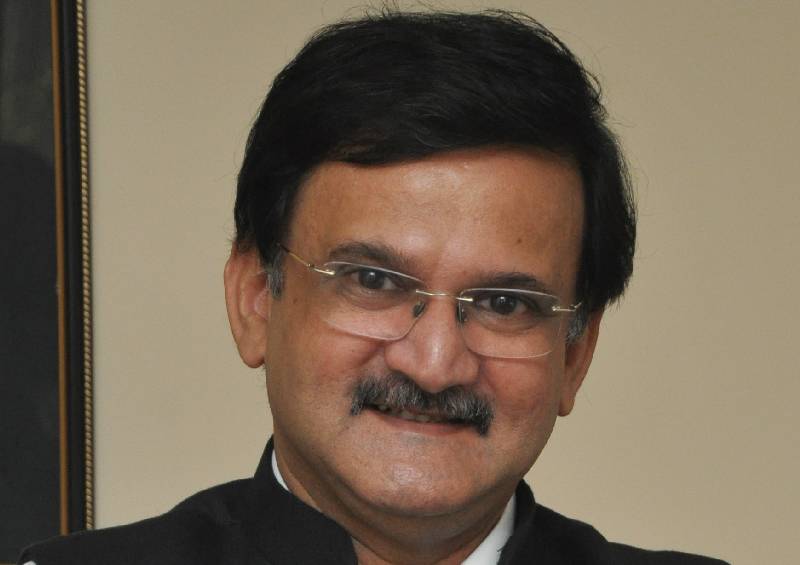
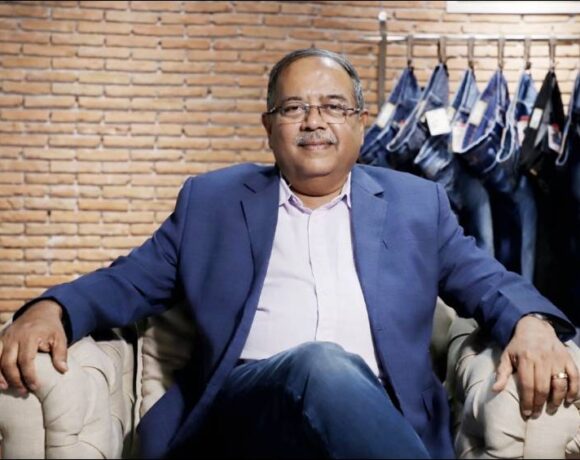
The time for incremental change has passed; a coordinated, mission-mode effort is required to navigate current headwinds and build a truly resilient, globally competitive sector, says Gurudas Aras in an exclusive interview with Textile Insights.
How is the domestic T&A industry preparing itself to surmount the fallout of Trump’s tariff imposition? What could be the impact in the short to medium term for such a sanction that has almost disrupted the textile value chain?
The 50% tariff by the US has severely disrupted the Indian textile value chain, forcing the Indian exporters into a significantly weaker competitive position. There have been major impacts, such as reduced export volumes and order cancellations, as American retailers have reacted immediately, putting a hold on new orders and, in some cases, outright cancelling shipments. This has led to a steep decline in India’s exports to the U.S. in recent months.
The higher tariff has led to loss of competitiveness as 50% tariff gives major competitors like Bangladesh, Vietnam, and Indonesia a massive cost advantage. These countries face significantly lower or zero-duty access to the U.S. market, making Indian goods 30-35% more expensive.

Moreover, the higher tariff has squeezed profit margins and increased potential losses. With margins already thin (5-7% for some garment exporters), the tariffs are nearly impossible for Indian exporters to absorb. Many will face losses if they cannot pass on the increased costs to U.S. buyers.
Also, the tariff pose threat to employment, especially in the SMEs. The downturn is directly impacting employment, especially in labour-intensive hubs like Tirupur, Ludhiana, Surat, Noida and Panipat. Small and medium enterprises (SMEs), which form the backbone of the industry, are facing the most financial stress and could be forced to lay off workers or shut down.
Lastly, the higher tariff poses the risk of losing long-term market share. One of the most critical long-term consequences is the potential for buyers to permanently shift their sourcing to other countries. If the U.S. market share is lost, it will be extremely difficult for India to recover.
It seems world trade is going forward to embrace more bilateral trade agreements away from the WTO’s emphasis on multi-lateral trade practices. In this backdrop, how pivotal will be the role of FTAs with various nations like the UK and other upcoming ones with the EU and other countries?
In a global trade environment, shifting away from the World Trade Organisation’s (WTO) multilateral framework, India’s strategic embrace of bilateral and regional Free Trade Agreements (FTAs) is more pivotal than ever. These agreements serve as critical levers for the Indian textile and apparel (T&A) industry, particularly in offsetting market disruptions caused by protectionist measures, such as the Trump administration’s tariffs.
FTAs are offering the Indian T&A exporters preferential or duty-free access to partner markets, directly addressing the disadvantage created by punitive tariffs elsewhere. This is particularly vital for sectors such as textiles and apparel, which are highly sensitive to price competition.
The UK FTA is expected to give tariff elimination for 99% of the products. With duties removed, Indian garments become significantly more price competitive against rivals, such as China and Bangladesh, whose products still face tariffs. The deal is expected to spur investment and job creation in India’s textile manufacturing hubs.
A potential FTA with the European Union (EU) would be transformative, providing preferential access to one of the world’s largest consumer markets. Navigating non-tariff barriers (NTBs) related to standards, sustainability and labour rights will ensure long-term, resilient market access. EU FTA is also essential for deeper integration into European value chains, promoting cooperation on technology and sustainable production.
How do you see the recent GST reforms carried out by the Union government? What will be their impact on the domestic T&A sector?
The recent Goods and Services Tax (GST) reforms implemented by the Indian government, effective September 22, 2025, are seen as a mixed bag for the domestic T&A sector, offering both significant relief and some continued challenges. Simplification of tax slabs, correction of Inverted Duty Structure (the reduction of GST on man-made fibres (MMF) from 18% to 5% and on man-made yarns from 12% to 5%), the 5% GST threshold for apparel raised from ₹1,000 to ₹2,500 per piece, the lowered logistics costs due to the GST on commercial goods vehicles reduced from 28% to 18%, all these measures are going to help the T&A industry in lowering the costs and increasing the consumption.
The direct positive impact will be seen soon in terms of increased competitiveness, boost to domestic consumption, increased affordability for consumers, relief for MSMEs and a boost to job creation.
What are the other reforms that are called for to make our textile value chain more robust and resilient?
While GST reforms are a significant step, India’s textile value chain requires additional reforms focusing on technology, infrastructure, sustainability and market agility to become robust and resilient against global shocks.
The reforms necessary for the industry are: development of textile-specific infrastructure, encourage technology adoption, investments in AI and IoT, leverage investments in technical textiles, encourage product innovation and research, develop sustainable raw material sourcing, implement a robust sustainability framework & promote circular economy models, reforming age-old labour laws, strengthening the skill development efforts, expanding through market diversification and leveraging the FTAs, and encourage brand building.
Some of the government schemes, like PLI and PM Mitra Park, as well as other infrastructure boosting schemes, have yet to take off. In today’s challenging situation, the industry needs them the most. Your comment.
Government schemes like the Production Linked Incentive (PLI) and PM Mitra Parks are crucial for the Indian textile industry, particularly during challenging times exacerbated by international trade issues. The slow implementation of these programmes is a critical concern, as they are designed to provide the very support the industry currently needs most. In the face of headwinds like the Trump administration’s tariffs and shifting global trade dynamics, a swift and successful rollout of these schemes is vital for India’s textile and apparel sector.
The delayed progress of these well-intentioned schemes can be attributed to several factors, such as stringent and complex criteria, high investment hurdles and risk aversion, delayed capital disbursement and challenges in terms of infrastructural bottlenecks and high logistics costs.
In the face of headwinds like the Trump administration’s tariffs and shifting global trade dynamics, a swift and successful rollout of these schemes is vital for India’s textile and apparel sector. Successful implementation of these schemes is expected to allow the industry to invest in world-class capacity creation, resulting in enhanced competitiveness, product diversification and mitigating market disruption.
What will be your message to the industry and policymakers in this difficult scenario?
In a difficult and volatile global trade scenario, the message to both the Indian textile and apparel sector and its policymakers must be one of urgent, strategic collaboration. The time for incremental change has passed; a coordinated, mission-mode effort is required to navigate current headwinds and build a truly resilient, globally competitive sector.
My message to the industry is: Be agile and diversify relentlessly, pivot from over-reliance (like on the US market), expand the product portfolio, invest in modernisation, embrace sustainability, and focus on value, not just cost.
My message to the policy-makers is: Accelerate and de-risk strategic schemes, execute important schemes and initiatives with urgency, prioritise infrastructure completion (including land acquisition), revamp the present PLI scheme to include MSMEs, strengthen raw material security, finalise FTAs strategically, invest in skills for the future, and establish a robust monitoring mechanism.