ILO Unveils New Digital Grievance Tools For Indonesian Workers
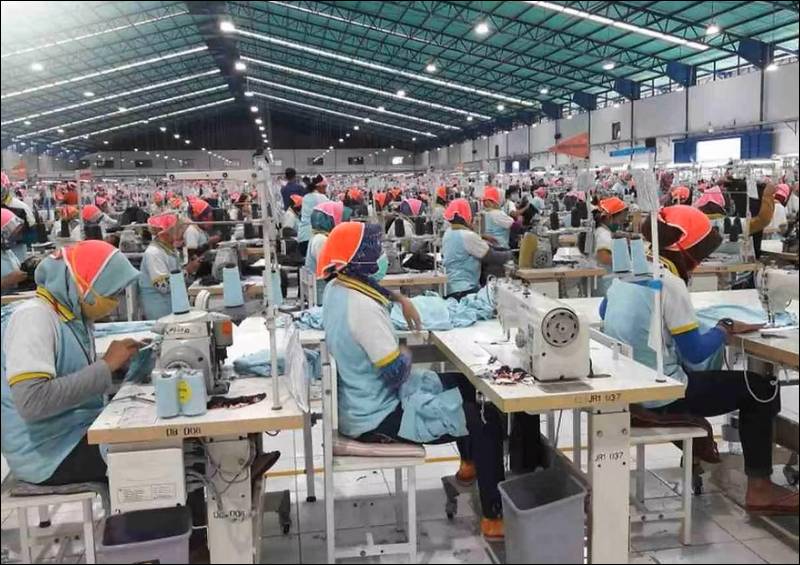
The International Labour Organization (ILO), together with major trade union federations in Indonesia, has launched a new suite of upgraded digital grievance applications aimed at improving workplace conditions in the garment, footwear and palm oil sectors. The launch event, held in Jakarta on 29 October, marks a significant step toward strengthening industrial relations and ensuring better access to fair and timely complaint mechanisms for workers.
Developed under the ILO’s Realizing Trade Gains Free from Gender Discrimination and Child Labour (RealGains) project with funding from the Government of Canada, the new tools build on earlier work from the Strengthening Industrial Relations in Indonesia (SIRI) initiative. The applications were created in partnership with SPN, Garteks, FSP-TSK, and the Trade Union Network for Palm Oil (JAPBUSI), a coalition representing more than 100,000 workers nationwide.
Three grievance platforms originally used in the garment sector, SoPaN SPN, Teman Garteks and Hallo Siola, have now been upgraded and expanded to cover the footwear industry as well. The enhanced versions integrate AI features such as automated complaint categorization, tagging, follow-up recommendations and user satisfaction tracking to improve efficiency and responsiveness. A new grievance application for palm oil workers has also been launched through JAPBUSI, customized to the sector’s specific needs and workflows.

All applications are free to download via Google Play and allow workers to submit complaints digitally, attach supporting evidence and receive follow-up from union administrators, who may negotiate or mediate with employers where necessary.
At the launch, Simrin Singh, ILO Country Director for Indonesia and Timor-Leste, emphasized that accessible and reliable grievance mechanisms are essential to achieving decent work. “By embracing innovative and inclusive digital solutions, we are helping ensure workplaces that are fair, safe and sustainable,” she said.
Alice Birnbaum, Head of Development Cooperation to Indonesia, noted that the systems have the potential to directly benefit hundreds of thousands of workers across key export industries. She encouraged continued collaboration to foster workplaces that are “fairer, safer and more inclusive.”