Uzbekistan Reboots Cotton With Tech And Mechanisation
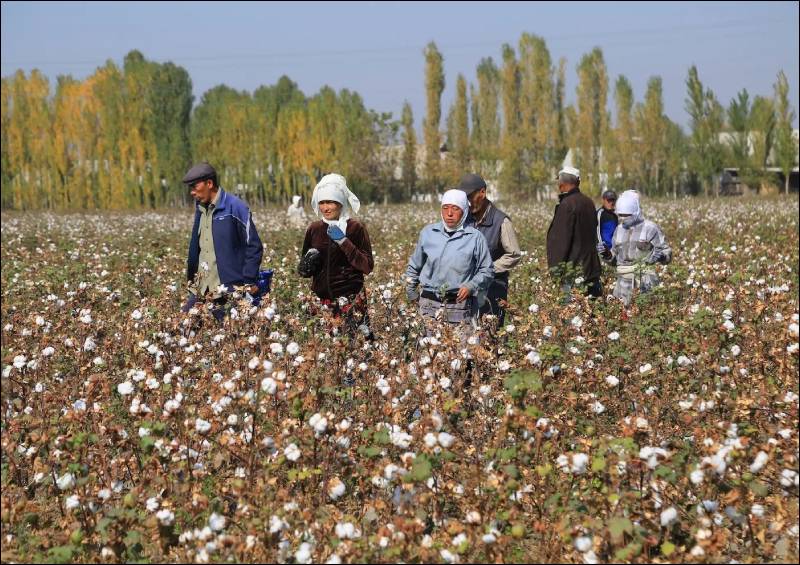
Uzbekistan’s cotton sector is scripting a quiet but consequential comeback, one driven less by acreage expansion and more by technology, mechanisation and policy recalibration. Despite a sharp reduction in planted area, the country is set to deliver a stronger-than-expected cotton output in the 2025/26 season, highlighting a structural shift in how one of the world’s most storied cotton producers now grows, harvests and monetises its fibre.
According to the latest reports from USDA, Uzbekistan’s lint production is projected at 906,000 metric tonnes in marketing year 2025/26, even as cotton planting fell by 12.5 per cent to 875,000 hectares. The strategy is deliberate—marginal and salinised lands are being phased out, while yields on fertile acreage are being pushed higher through improved seed genetics and modern agronomic practices.
At the heart of this transformation lies the rapid adoption of Chinese seed technology, particularly the Xinjiang high-density planting model. Using drip irrigation under plastic film and tighter row spacing, this method has sharply raised productivity, with reported yields reaching 7.5 tonnes per hectare in some trials. For the first time, Uzbekistan has also commercially deployed genetically modified Bt cotton, with more than 20 new varieties offering resistance to herbicides and bollworms, a major yield drag in previous seasons.

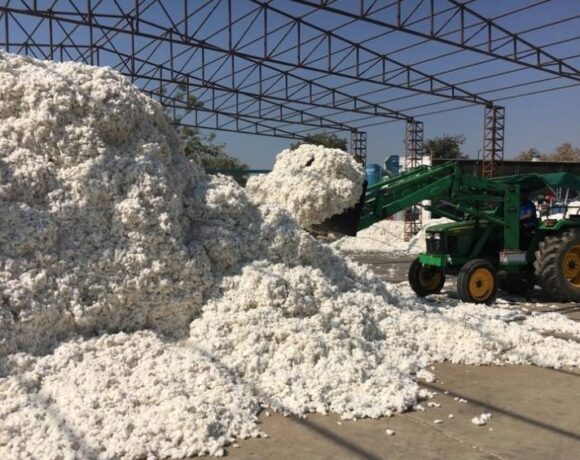
Mechanisation is now the sector’s defining feature. Harvest mechanisation has reached 50 per cent, supported by state-backed agro-leasing programmes and an aggressive mobilisation campaign announced by President Shavkat Mirziyoyev in late September 2025. Daily cash payments replaced delayed settlement cycles and clear machine and manual harvesting rates restored farmer confidence. The result was a faster, cleaner harvest and a higher share of cotton actually collected, addressing a chronic problem of past seasons when crops were left unpicked due to labour shortages and weak incentives.
Exports of raw cotton have effectively ceased, reinforcing the government’s push for 100 per cent domestic value addition. The longer-term ambition is even bolder: gradually phasing out yarn exports in favour of finished fabrics and garments, capturing higher margins across the textile value chain.