
Bangladesh Textile Mills Declare Indefinite Shutdown From Feb 1
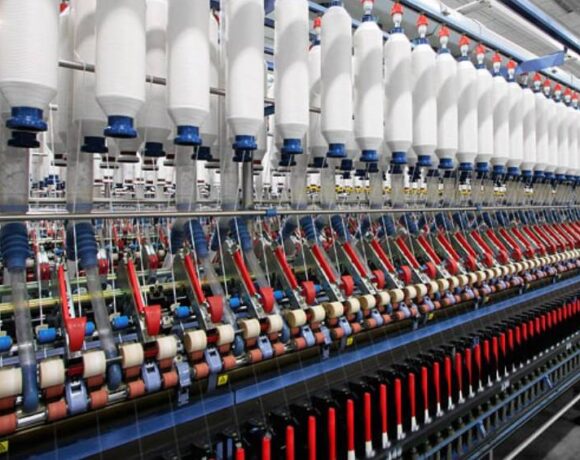
Bangladesh Textile Mills Association (BTMA) has announced an indefinite shutdown of all textile mills across the country starting from February 1, intensifying tensions within the textile-apparel value chain and exposing the deepening financial distress of the primary textile sector. The declaration came during a press briefing on January 22, at the BTMA office, where association leaders cited policy uncertainty, mounting debt and the interim government’s failure to protect the domestic spinning industry as key reasons behind the move.
Speaking to the media, BTMA President Showkat Aziz Russell issued a stern warning regarding the sector’s survival, stating that the mills would shut down no matter what, as factories lacked the financial capacity to service bank loans. He added that years of financial strain, eroded capital and shrinking market share have pushed spinning mills to a breaking point. According to BTMA, continued duty-free yarn imports under bonded warehouse facilities are displacing domestic spinning mills, which are already burdened by high production costs, energy shortages and limited access to liquidity. Millers argue that this policy advantage for garment exporters undermines backward integration and threatens long-term industrial stability.
BTMA leaders claimed that despite multiple appeals to the commerce ministry, finance ministry, National Board of Revenue (NBR) and other relevant bodies, no concrete action has been taken to safeguard the primary textile sector. Russell also asserted that the sector’s capital base has shrunk by nearly 50 percent, making debt repayment nearly impossible. He further noted that even selling off all assets would not suffice to clear the outstanding bank liabilities, reflecting the severity of the crisis.

The issue has escalated following a recent letter sent by the commerce ministry to the NBR on January 12 requesting suspension of duty-free yarn imports as a protective measure for local mills. The proposal has drawn sharp resistance from garment and knitwear exporters, who rely on bonded imports to maintain international price competitiveness. Industry estimates suggest that removing duty-free imports could raise yarn duties to nearly 37 percent, adding up to US$ 0.60 per kilogram to raw material costs and impacting Bangladesh’s US$ 28 billion knitwear export segment.
This policy conflict has triggered a standoff between spinning millers and exporters. In recent days, leaders from the Bangladesh Garment Manufacturers and Exporters Association (BGMEA) and Bangladesh Knitwear Manufacturers and Exporters Association (BKMEA) met Commerce Adviser SK Bashir Uddin seeking a rollback of the suspension proposal, whereas BTMA leaders held separate discussions with the finance adviser. Both meetings concluded without any resolution, deepening uncertainty ahead of the February shutdown.
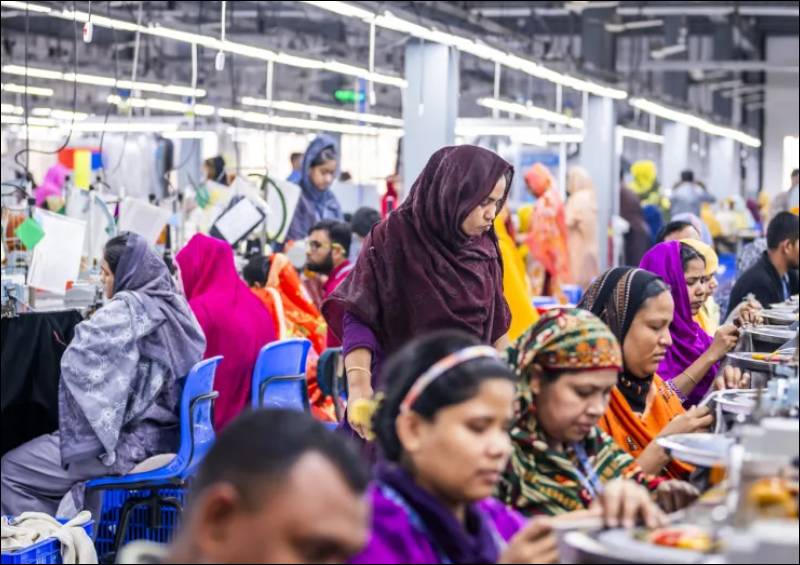
Analysts warn that a nationwide closure of spinning and textile mills could disrupt yarn supply, threaten employment and further strain relations within Bangladesh’s textile ecosystem, which relies heavily on domestic backward linkages. As the shutdown deadline approaches, industry stakeholders are calling for urgent policy coordination to avert supply chain disruptions and restore equilibrium across the country’s textile and apparel value chain.