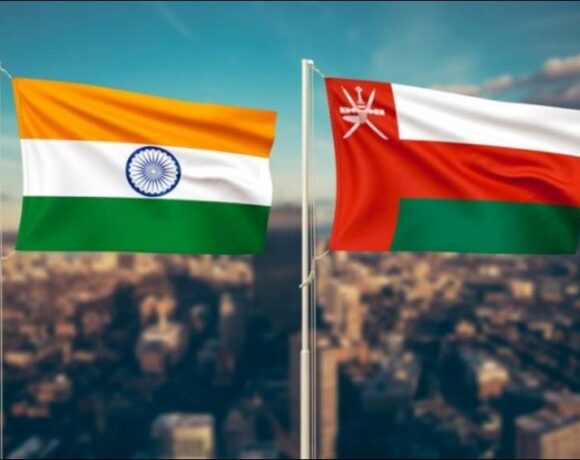

Iran Tensions Stir Oil, Currency And Trade Concerns For India
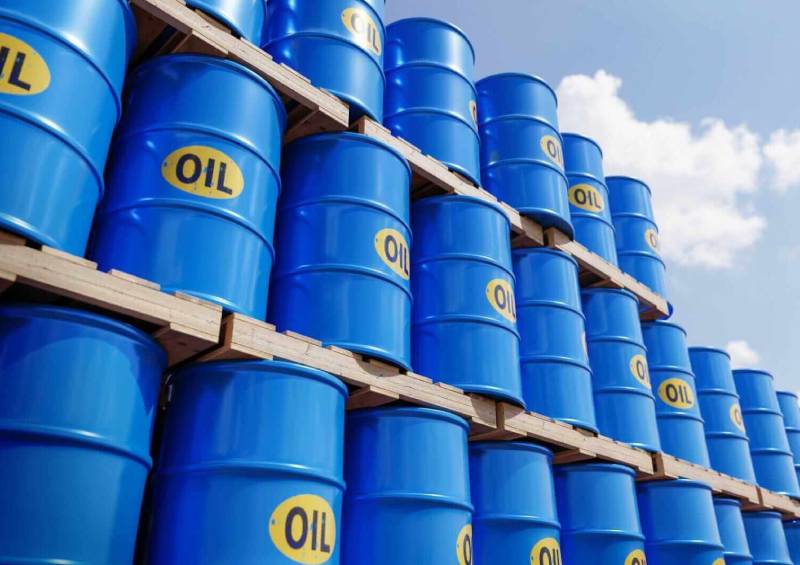
Rising geopolitical tensions involving Iran, Israel and the United States are beginning to ripple through global energy and financial markets, creating potential economic challenges for India.
Although India is not directly involved in the conflict, its heavy dependence on imported energy, extensive trade links with the Gulf region, and integration with global capital markets make the economy vulnerable to external shocks. The impact is already being reflected in crude oil prices, currency movements, freight rates and market volatility.
India imports more than 80 per cent of its crude oil requirements, with a large share sourced from Gulf producers. A significant portion of these shipments passes through the strategically vital Strait of Hormuz, one of the world’s most sensitive energy transit routes.

Any disruption in the region could quickly affect supply chains and transportation costs. The situation is further complicated by instability around the Bab el‑Mandeb Strait, where shipping lanes have already been under pressure due to attacks by Yemen’s Houthi movement.
Following the escalation, Brent crude prices surged, reflecting growing fears of supply disruptions. Reports indicate that Brent futures briefly climbed above US$ 82 per barrel, the highest level since early 2025, before stabilising near US$ 78, highlighting heightened volatility in energy markets.
Higher oil prices also tend to weaken the Indian rupee by increasing the country’s import bill. Analysts warn that even a moderate increase in crude prices could widen India’s current account deficit.
Beyond energy markets, businesses are also monitoring rising shipping and insurance costs, potential aviation rerouting and equity market volatility as investors adopt a more cautious stance toward emerging markets.
For sectors such as logistics, aviation, manufacturing and export-oriented industries, higher freight costs and currency fluctuations could compress margins in the near term.
While the immediate impact remains manageable, economists caution that prolonged instability in the region could amplify pressure on India’s trade balance, inflation outlook and financial markets.