
US–Iran Conflict Pushes Up Costs For Industries In Kalyan Belt
Escalating tensions between the United States and Iran are beginning to impact industrial operations across the wider Mumbai metropolitan belt of Dombivli, Ambarnath and Badlapur, as manufacturers grapple with rising input costs and uncertainty over fuel supplies.
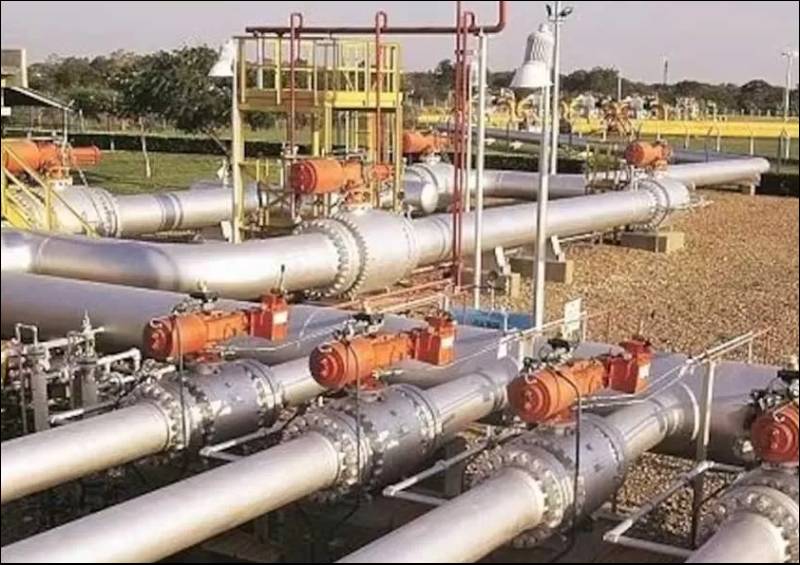
Large chemical manufacturing units in the region rely heavily on piped natural gas (PNG) to run their production lines. While Mahanagar Gas Limited (MGL) has indicated that gas supplies are expected to remain stable in the immediate term, industry stakeholders remain cautious about the outlook beyond the next week.
Prices of several chemical products and industrial inputs have already increased by around 25–30 percent, significantly pushing up production costs for manufacturers in the belt. Companies are exploring contingency options in case PNG supply is disrupted in the coming weeks.

One possible alternative being considered is a shift to Light Diesel Oil (LDO) to keep production units operational. However, transitioning to LDO would require substantial upgrades to existing systems and infrastructure, making the shift both technically complex and financially demanding. In addition, LDO is a petroleum-based fuel that is largely imported, meaning further disruptions in global supply chains could also affect its availability.
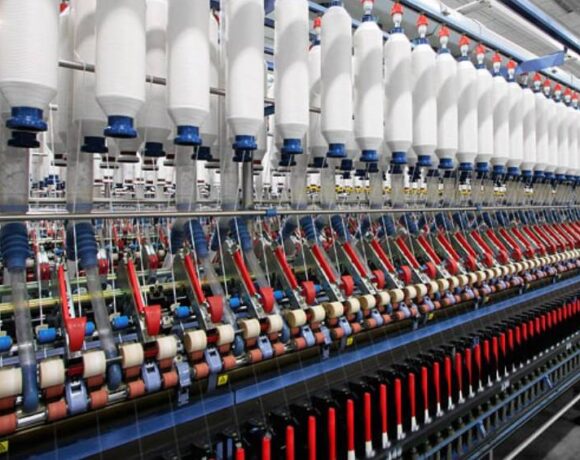
The impact is also being felt by textile units in Badlapur. Many of these units depend on coal and bagasse for energy, and the price of imported coal—particularly from Indonesia—has risen amid the ongoing geopolitical tensions.
As a result, several textile manufacturers in the region have already raised prices of finished products by around 15 percent to offset higher energy and chemical costs. Industry players are closely monitoring developments and may review pricing and production strategies depending on how the geopolitical situation evolves.
Industrial clusters across Dombivli, Ambarnath and Badlapur operate on varied energy sources. Chemical companies largely depend on PNG, textile units rely on coal and bagasse, while engineering industries are primarily powered by electricity. However, many fuels and key raw materials used by these industries are imported, leaving the region vulnerable to disruptions caused by global geopolitical developments.
Experts warn that if the conflict intensifies, the ripple effects could further disrupt industrial production and increase costs across multiple manufacturing sectors in the region.