Giriraj Singh: India Targets $350 Billion Textile Economy By 2030–31
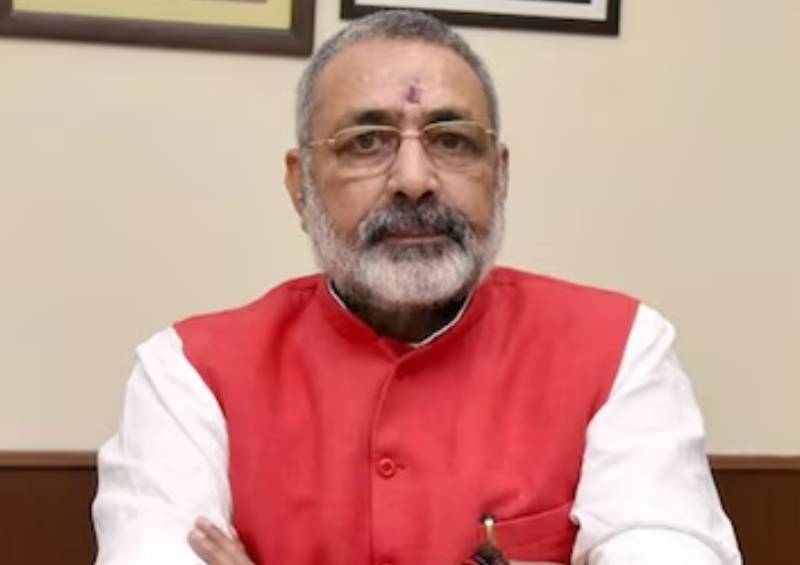
Giriraj Singh, Union Minister of Textiles, has urged the Indian textile industry to scale up production and move towards higher-value manufacturing in order to strengthen the country’s position in global markets.
Speaking at an industry interaction organised by the Confederation of Indian Industry in New Delhi, the minister said India aims to expand its textile economy to US$ 350 billion, with exports reaching US$ 100 billion by 2030–31.
Singh noted that India’s share in global textile trade currently stands at about 4.7 percent, and emphasised the need to raise this significantly to 14.7 percent by improving scale, competitiveness and product diversification.

Highlighting structural challenges in garment manufacturing, he said a large portion of India’s production remains concentrated in summer apparel, which caters to roughly eight months of global demand. Expanding capabilities to produce all-season garments, he added, would help the industry access wider international markets.
The minister also stressed that the future growth of the textile sector will be shaped by sustainability, innovation and value addition. He encouraged companies to diversify into technical textiles, advanced materials and higher-value textile products, areas where India has strong potential to expand.
Singh further referred to the upcoming Bharat Tex 2026, scheduled to be held from July 14 to 17, which is expected to connect Indian manufacturers with global buyers and investors.
Also addressing the gathering, Neelam Shami Rao, Secretary in the Ministry of Textiles, Government of India, said the country will need to strengthen raw material availability, manufacturing capacity, infrastructure and market diversification to support future industry growth.
She noted that India’s fibre production, currently estimated at around 15 million metric tonnes, will need to increase to about 23 million metric tonnes in the coming years, supported by initiatives such as the proposed National Fibre Mission.
Industry representatives at the interaction also highlighted the need to expand garment manufacturing capacity to meet potential export opportunities arising from new and upcoming trade agreements.