Mexico Cotton Output Set To Decline In Water Constraints: USDA
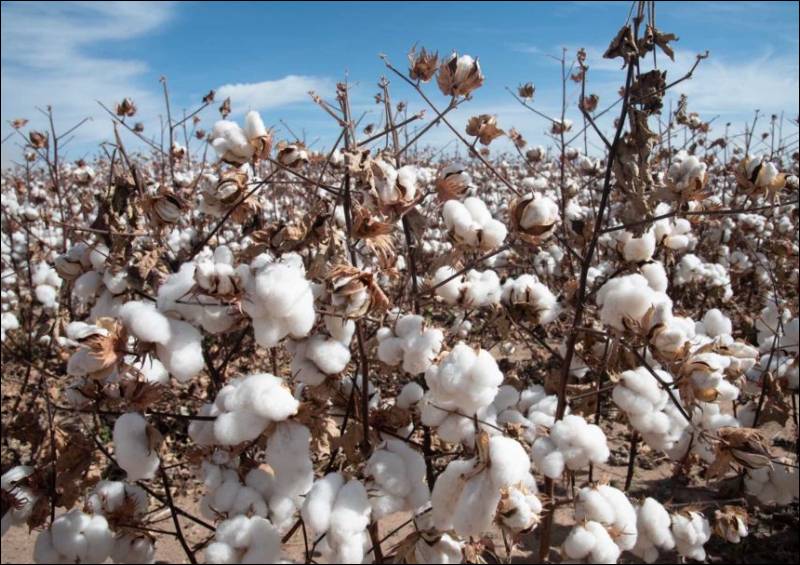
Mexico’s cotton sector is expected to face a contraction in the 2026–27 marketing year, primarily due to persistent water shortages and structural production challenges, according to a report by the USDA Foreign Agricultural Service.
The report projects a decline in both cotton area and output, as limited irrigation water availability continues to affect key producing regions, particularly in northern Mexico. Reduced reservoir levels and ongoing drought conditions have constrained planting decisions, leading farmers to scale back acreage.
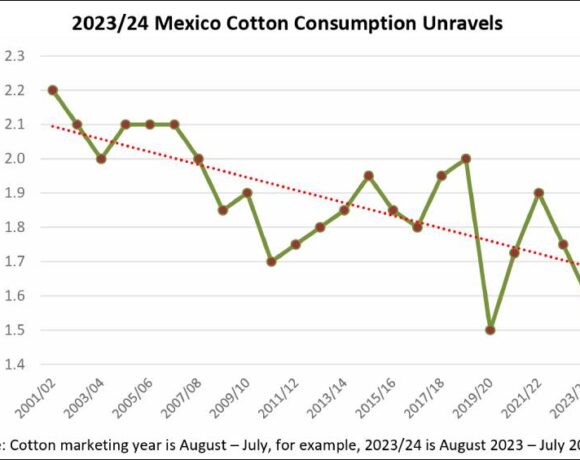
Despite the anticipated drop in production, domestic consumption is expected to remain stable, supported by steady demand from Mexico’s textile manufacturing sector. However, the supply gap is likely to widen the country’s dependence on cotton imports, particularly from the United States.

Exports are expected to remain limited, as lower production reduces exportable surplus. The report notes that Mexico will continue to prioritise domestic consumption, with imports playing a critical role in balancing demand.
The sector also continues to face structural challenges, including rising input costs, competition for water resources, and limited technological adoption in some regions. These factors, combined with climate variability, are expected to weigh on productivity and long-term growth.
Overall, while demand fundamentals remain steady, Mexico’s cotton industry is likely to remain constrained in the near term, with water scarcity emerging as the key risk factor shaping production and trade dynamics.