
India Waives Customs Duty On Petrochemicals To Ease Supply Disruptions
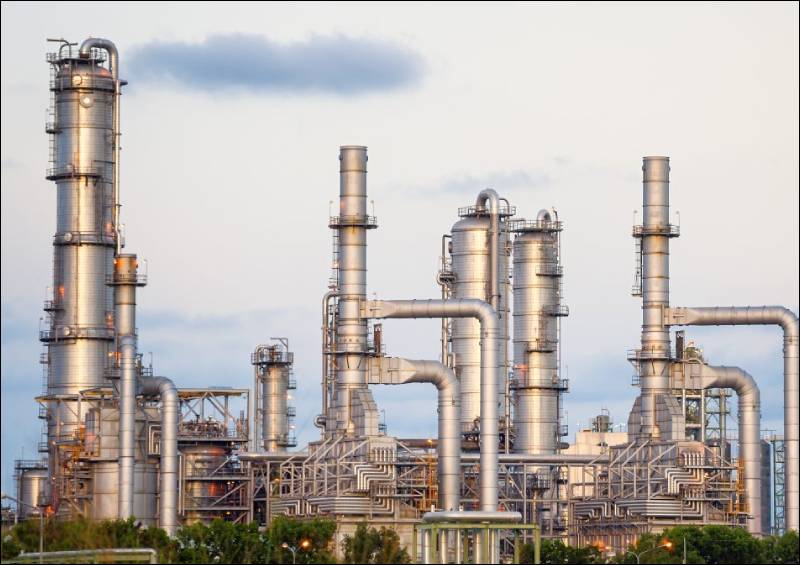
To ease input cost pressure on domestic industry, the Government of India has announced a full customs duty exemption on select petrochemical products till June 30, 2026, in response to supply chain disruptions arising from the ongoing conflict in West Asia.
The decision is positioned as a temporary and targeted intervention to ensure the continued availability of critical petrochemical inputs and maintain supply stability across key manufacturing sectors.
The exemption covers a wide range of petrochemical feedstocks and intermediates including Monoethylene Glycol (MEG), Purified Terephthalic Acid (PTA), Polyethylene (PE), Polypropylene (PP), Polyvinyl Chloride (PVC), PET chips, methanol, acetic acid, and various resins and polymers.

The move is expected to benefit multiple downstream sectors that are heavily reliant on petrochemical inputs, including:
- Textiles (especially polyester and man-made fibres via PTA, MEG, PET)
- Plastics and packaging
- Pharmaceuticals and chemicals
- Automotive components
- Consumer goods manufacturing
By lowering import costs of key raw materials, the government aims to offset rising logistics and procurement costs triggered by geopolitical tensions and disrupted trade routes.
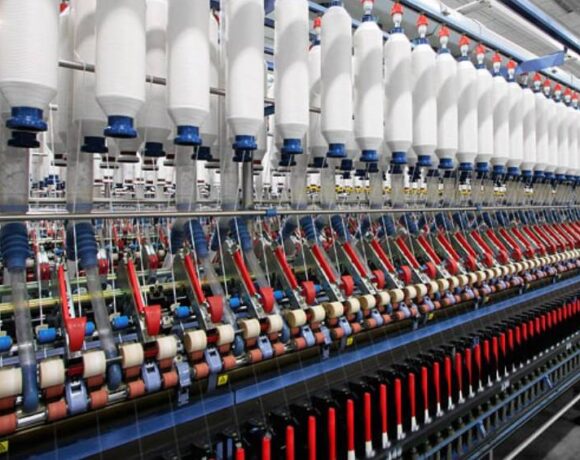
For the textile industry, the exemption is particularly significant. Core raw materials such as PTA, MEG and PET chips, which form the backbone of polyester fibre production are included in the list. Additionally, chemicals like acetic acid, polyvinyl alcohol (PVA), and formaldehyde-based resins used in textile processing and finishing will also become more cost-effective.
This is expected to provide short-term margin relief to fibre manufacturers, spinners and processors, especially at a time when input volatility has been impacting competitiveness in global markets.
The government’s intervention comes amid heightened uncertainty in global petrochemical supply chains due to the ongoing crisis in West Asia, a key hub for crude oil and petrochemical production. The disruption has led to increased freight costs, delayed shipments and tighter availability of intermediates.
Industry stakeholders view the duty exemption as a stabilisation measure that will help maintain production continuity and prevent cost escalation from cascading across value chains.
While the exemption is currently valid until June 30, 2026, its continuation will likely depend on how the geopolitical situation evolves and its impact on global supply chains.
For now, the move is expected to support domestic manufacturing, ease inflationary pressures on finished goods and enhance industry resilience during a period of external volatility.