Turkiye Cotton Output To Drop 21% In MY 2026/27
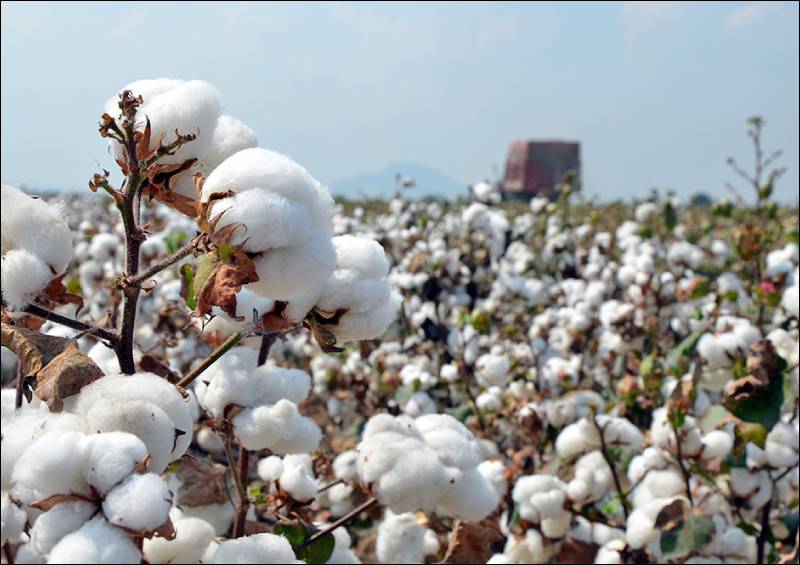
USDA Foreign Agricultural Service has forecast a sharp decline in Turkiye’s cotton production for marketing year (MY) 2026/27, as persistent low prices, rising input costs and weak global apparel demand weigh on farmer sentiment and planting decisions.
Cotton output is projected to fall to 525,000 metric tons (2.41 million bales), down about 21 percent year-on-year, largely due to a contraction in planted area as growers shift to alternative crops offering better returns. Over recent seasons, stagnant cotton prices and elevated inflation have eroded profitability, with farmers struggling to offset rising costs of labor, fertilizer, diesel, and electricity.
Domestic consumption is expected to remain steady at 1.45 million metric tons, supported by relatively stable yarn production, even as demand from ready-to-wear garment manufacturers remains subdued. Turkish textile and apparel producers continue to face declining export orders from key Western markets due to higher production costs and intensifying competition from lower-cost manufacturing hubs in Asia and North Africa.

To meet the supply gap, cotton imports are forecast to rise to 980,000 metric tons in MY 2026/27. Brazil has strengthened its position as Turkiye’s leading supplier, overtaking the United States on the back of more competitive pricing, a trend that is expected to persist.
The broader sector remains under pressure from macroeconomic challenges, including high inflation and currency imbalances, which have significantly increased production costs in dollar and euro terms. Industry sources indicate that garment production in Turkiye is now substantially more expensive than in competing regions, contributing to a decline in export competitiveness and capacity utilization.
At the same time, the country is seeking to strengthen its position in sustainable cotton, with production of Better Cotton Initiative (BCI) fibre expected to increase to around 169,500 metric tons in MY 2026/27, driven by growing demand from international brands for traceable and environmentally responsible sourcing.
Policy adjustments, including a shift to area-based subsidies, have yet to provide sufficient incentive for farmers to expand cotton cultivation, according to market participants. Longer term, investments in irrigation, mechanisation, and recycling initiatives are expected to play a key role in shaping the sector’s trajectory, even as near-term outlook remains constrained by weak margins and soft demand.