Fashion Trend Cycles Accelerate, Reshaping Product Development Strategies
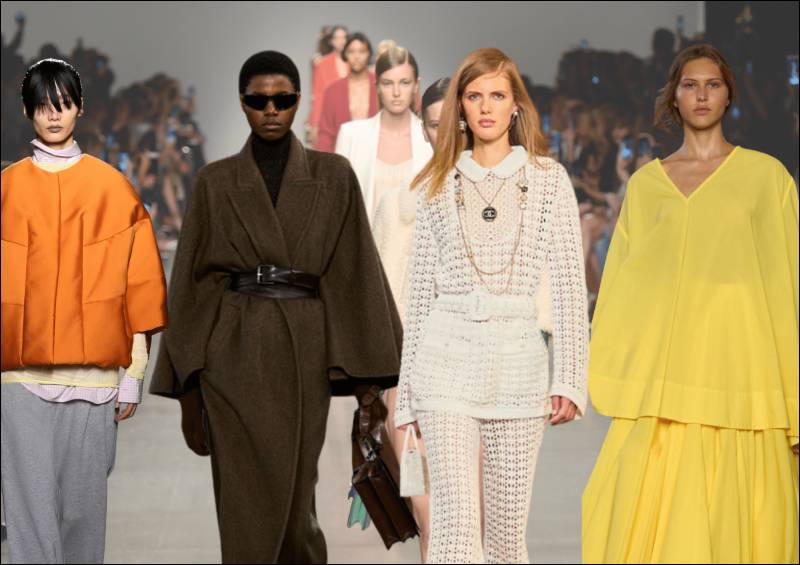
The pace of fashion trend cycles is accelerating rapidly, compelling brands and manufacturers to rethink traditional product development models and adopt faster, more agile approaches to stay competitive.
No longer governed by seasonal calendars, trends are increasingly driven by digital platforms, influencers and the evolving preferences of Gen Z. As a result, styles now emerge, peak and decline within weeks, significantly compressing the industry’s response time.
“We are seeing that trends move 4.4 times faster than they did seven years ago,” said Rachel Hardy, Director of Consumer Product Marketing at Pinterest, underscoring the scale of disruption.

This acceleration is placing mounting pressure on both design and product development teams. Designers are required to generate a higher volume of concepts at increased frequency, while development teams must translate these ideas into market-ready products within increasingly constrained timelines. Collections are becoming more fluid, evolving continuously in response to real-time consumer demand and market signals, rather than being fixed around traditional launch cycles.
However, legacy development frameworks, built around longer, seasonal timelines are proving inadequate in this environment. Delays at any stage, from sampling to production, can result in missed market windows as consumer interest shifts rapidly. Fragmented workflows, limited visibility across product lifecycles, slow supplier communication and reliance on manual processes continue to hinder responsiveness for many organisations.
In this context, speed to market has emerged as a critical determinant of commercial success, closely tied to a brand’s ability to remain relevant. Companies are increasingly aligning product development timelines with shortened trend cycles, necessitating faster decision-making, tighter cross-functional coordination and more flexible supply chain structures.
The shift is also driving the need for greater supply chain agility, with emphasis on real-time visibility into product status, enhanced collaboration with vendors, and the ability to quickly adapt materials and production plans. Without such capabilities, even minor disruptions can lead to lost opportunities.
At the same time, technology adoption is playing a pivotal role in enabling faster response. Apparel-focused Product Lifecycle Management (PLM) systems are being leveraged to centralise product data, streamline workflows and improve communication across global teams and supplier networks. By establishing a single source of truth, these platforms help reduce delays, improve accuracy and support real-time decision-making.
Another critical area of transformation is sampling. Traditional reliance on multiple rounds of physical samples is increasingly seen as a bottleneck. In response, brands are adopting 3D design and digital prototyping tools that allow for faster validation of fit, colour and styling, significantly reducing development timelines when integrated with PLM systems.
The evolving landscape is also redefining the role of designers, who must now balance creativity with speed, adaptability and closer collaboration with development teams and supply chain partners. As noted by Mark Mathews of the National Retail Federation, shifting consumer behaviours, particularly among younger demographics, are forcing retailers to rethink how they engage with the market.
With trend cycles expected to accelerate further, the industry faces a clear inflection point. Brands that continue to rely on conventional processes risk losing relevance, while those investing in digital tools, agile supply chains, and integrated workflows are better positioned to compete in an increasingly fast-moving marketplace.