
AAFA Flags Cost Surge From China PNTR Revocation
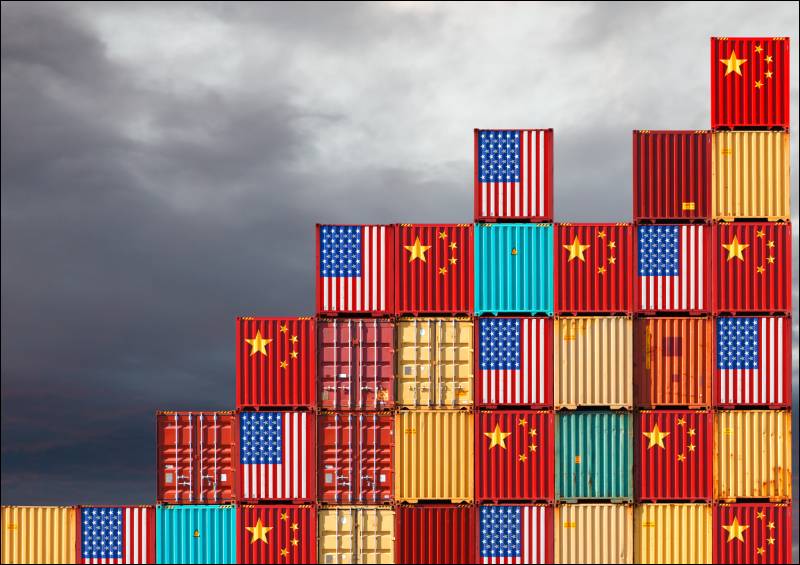
The American Apparel & Footwear Association (AAFA) has cautioned that revoking China’s Permanent Normal Trade Relations (PNTR) status would significantly disrupt the U.S. apparel, footwear and travel goods industry, leading to sharp cost increases and supply chain challenges.
In its submission to the U.S. International Trade Commission (USITC) under Investigation No. 332-609, AAFA highlighted the industry’s heavy reliance on global supply chains, noting that nearly 97% of clothing and footwear sold in the United States is imported. The association emphasized that seamless access to international suppliers is critical to maintaining affordability, product availability and industry competitiveness.
China remains the largest supplier to the U.S. market, accounting for over 27% of apparel imports, nearly 48% of footwear imports and more than 36% of travel goods imports in 2025. According to AAFA, revoking PNTR would sharply increase tariffs, placing a significant burden on U.S. companies and consumers.

The association estimates that apparel tariffs could surge from an effective rate of 42.9% to 102.8%, translating into an additional US$ 6.7 billion in costs. Footwear tariffs could rise from 32.6% to 55%, adding US$ 1.56 billion, while travel goods tariffs may jump from 58% to 95.9%, increasing costs by approximately US$ 671 million.
AAFA warned that such cost increases cannot be fully absorbed by brands and retailers due to already tight margins and would inevitably be passed on to consumers, impacting affordability. The group also noted that higher tariffs could limit companies’ ability to invest in innovation, expansion and job creation in the United States.
The association further stressed that U.S. manufacturers depend on Chinese raw materials and inputs, with limited alternatives available at scale. Any disruption in trade could therefore hinder domestic manufacturing initiatives and slow industry growth.
Additionally, AAFA cautioned that revoking PNTR could trigger retaliatory measures from China, including tariffs and regulatory restrictions on U.S. goods, potentially affecting exports and market access for American brands.
Overall, the association urged policymakers to carefully consider the broader economic implications, warning that the move could create widespread disruption across supply chains, increase consumer prices and weaken the competitiveness of the U.S. apparel and footwear sector.