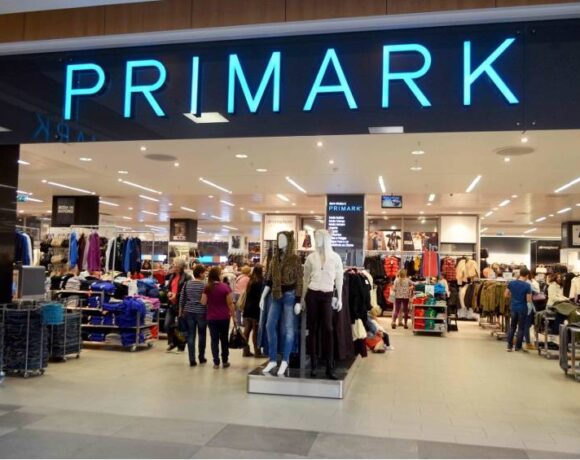
US Tariffs Cloud Sri Lanka Apparel Outlook
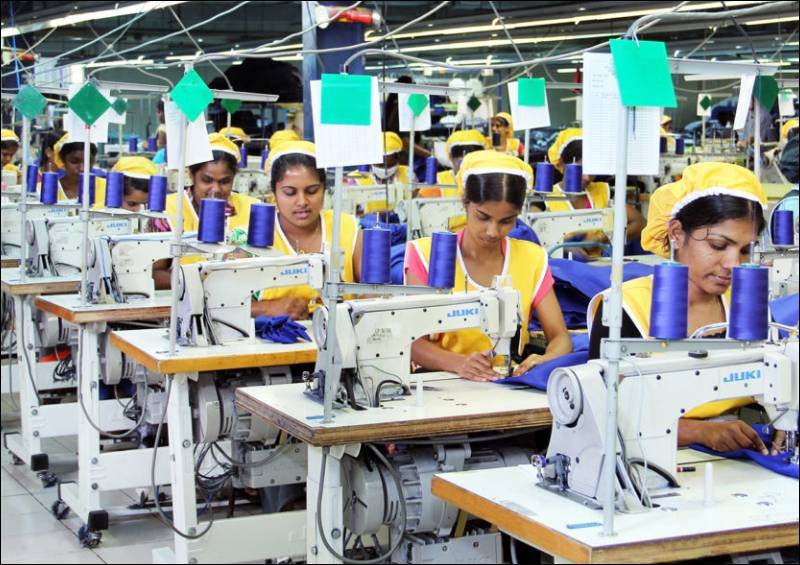
Sri Lanka’s apparel industry is facing growing uncertainty as evolving US trade policies aimed at eliminating forced labour from global supply chains reshape sourcing dynamics across the textile and garment sector. Industry stakeholders warn that while Sri Lanka maintains a strong reputation for ethical manufacturing, shifting trade patterns and geopolitical considerations could create new challenges for the country’s export competitiveness in its largest overseas market.
The United States has intensified scrutiny of global supply chains through stricter enforcement measures targeting products linked to forced labour practices. These policies have altered sourcing strategies for international brands and retailers, prompting buyers to reassess manufacturing destinations across Asia. Although Sri Lanka has not been implicated in forced labour-related concerns, changes in trade flows resulting from US enforcement actions are expected to influence competitive conditions within the apparel market.
Exporters are concerned that global brands may increasingly diversify sourcing arrangements in response to trade restrictions affecting certain manufacturing hubs. Such shifts could lead to intensified competition among apparel-producing nations seeking to capture market share in the United States, placing additional pressure on Sri Lankan manufacturers already contending with rising operational costs and regional competition.

The apparel sector remains one of Sri Lanka’s most important export industries, generating significant foreign exchange earnings and supporting hundreds of thousands of jobs across the country. The United States continues to be a key destination for Sri Lankan garments, making any change in market access or competitive positioning particularly significant for the industry’s long-term growth prospects.
Despite these challenges, industry observers believe Sri Lanka’s long-standing commitment to ethical manufacturing standards could provide a valuable advantage. The country has built a global reputation for responsible production practices, worker welfare and compliance with international labour standards through initiatives such as its Garments Without Guilt platform. As global brands place greater emphasis on transparency, traceability and ethical sourcing, Sri Lanka is well-positioned to highlight these strengths.
However, industry leaders note that strong compliance credentials alone may not be enough to secure future growth. Manufacturers will need to reinforce their value proposition by combining ethical production with innovation, productivity improvements, sustainability initiatives and enhanced supply chain resilience to remain competitive in an increasingly complex trading environment.
Trade associations and exporters are urging policymakers to strengthen engagement with US authorities and international buyers to ensure Sri Lanka’s ethical manufacturing credentials receive greater recognition. There are also renewed calls for deeper trade cooperation and market access arrangements that could provide exporters with a more predictable framework for expanding business in the United States.
As global apparel supply chains continue to evolve under the influence of labour rights enforcement, sustainability requirements and geopolitical realignments, Sri Lanka’s garment sector faces the challenge of safeguarding its existing market position while identifying new opportunities emerging from the restructuring of international sourcing networks.