
West Asia Crisis Highlights What India Must Fix To Reach US$100 Billion Textile Exports
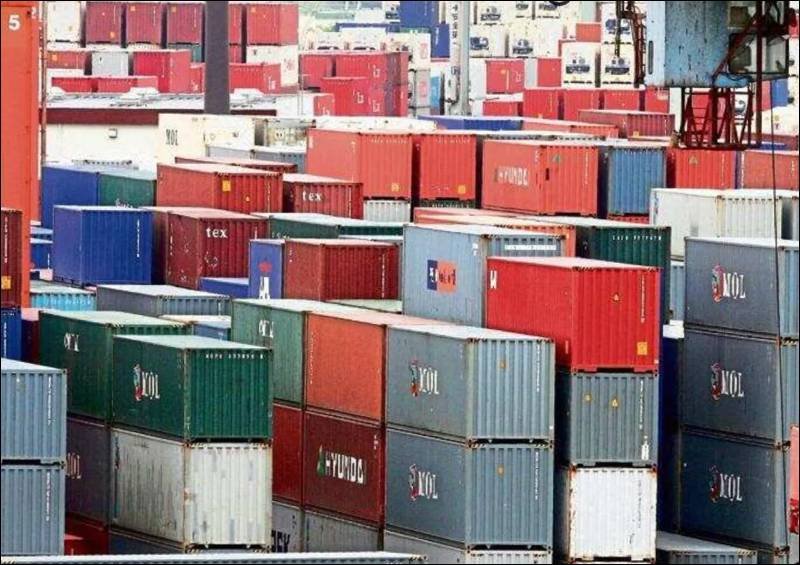
India’s textile and apparel exports have remained around the US$ 40 billion mark for nearly six years, despite the industry’s ambition to reach US$ 100 billion by 2030. The ongoing West Asia crisis has disrupted trade routes and logistics, but it has also exposed deeper structural challenges that India must address to accelerate export growth.
The disruption has prompted exporters to rethink supply chain strategies, inventory management and production planning. Companies are increasingly adopting shorter production cycles, demand-driven inventory models and phased order execution to reduce risks and improve responsiveness. Buyers, too, are moving towards smaller and more frequent orders, reflecting a broader shift towards flexibility and faster replenishment.
While these operational changes are helping companies navigate uncertainty, industry experts believe that achieving the US$ 100 billion target will require far more fundamental reforms.

According to the India Textiles and Apparel CXO Blueprint 2030 report by CMAI and GATS, India’s textile and apparel exports have grown by only 0.8 percent annually over the past six years, compared to 3.5 percent growth in global trade. The report highlights that India remains heavily dependent on cotton-based products, while global demand is increasingly shifting towards apparel, man-made fibres (MMF) and technical textiles.
The industry also faces competitiveness challenges in logistics, labour productivity and supply chain efficiency. Longer factory-to-port transit times compared to competing countries such as Bangladesh and Vietnam continue to impact delivery performance and responsiveness to global buyers. At the same time, workforce productivity and labour availability remain critical concerns.
Industry leaders believe the next phase of growth must be driven by greater value addition rather than volume alone. Expanding capabilities in MMF, performance fabrics, technical textiles and design-led apparel will be essential to diversify India’s export basket and capture a larger share of high-growth global markets.
Financing is emerging as another key challenge. Textile exports operate on long working capital cycles, with many exporters, particularly MSMEs, facing liquidity constraints despite strong market opportunities. Easier access to trade finance, digital financing platforms and faster credit assessment mechanisms are increasingly being viewed as critical enablers of export growth.
Government initiatives such as PM MITRA Parks, new free trade agreements and the recently launched Rs 497 crore RELIEF scheme are expected to strengthen manufacturing ecosystems and help exporters manage logistics-related disruptions. However, industry experts stress that infrastructure investments must be accompanied by improvements in execution, technology adoption and supply chain integration.
As global brands continue to diversify sourcing destinations, India’s competitive advantage will increasingly depend on reliability, speed, sustainability and value addition rather than low-cost manufacturing alone.
The West Asia crisis may be a temporary disruption, but it has delivered a lasting message. For India to move from US$ 40 billion to US$ 100 billion in textile and apparel exports, the industry must build a more agile, efficient and globally competitive ecosystem capable of meeting the evolving expectations of international buyers.