
China-ASEAN Trade Crosses US$ 1 Trillion, Supply-Chain Links Deepen
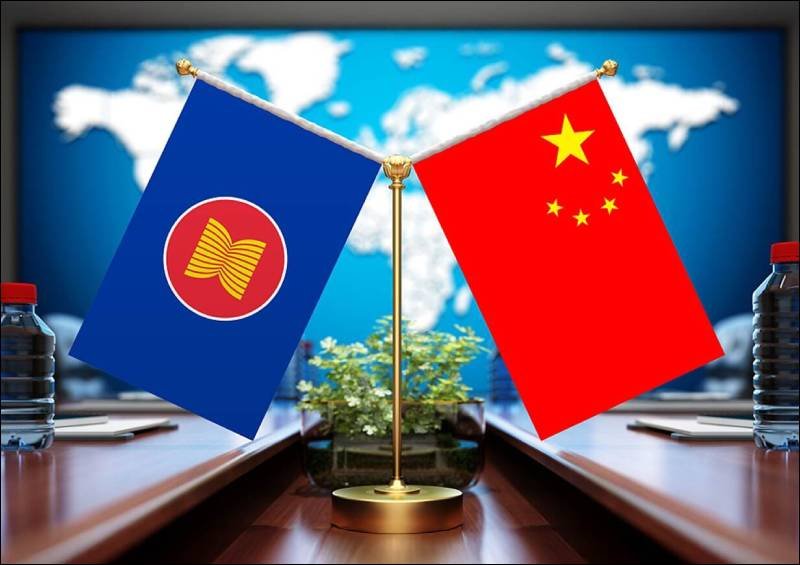
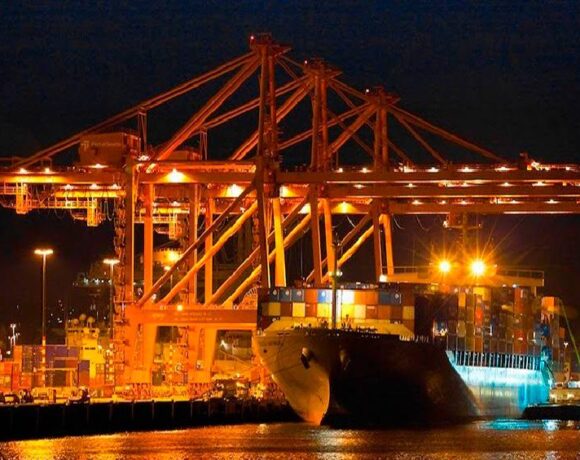
Trade between China and the Association of Southeast Asian Nations (ASEAN) crossed the US$ 1 trillion mark for the first time in 2025, highlighting the growing importance of the region as a major hub for manufacturing, sourcing and cross-border supply chains.
China-ASEAN trade reached US$ 1.05 trillion in 2025, registering a 7.4% year-on-year increase, according to Chinese commerce ministry data.
The momentum has continued into 2026. During the first seven months of the year, bilateral trade rose 24.7% year on year to US$ 744.41 billion. The figure accounted for 21.8% of China’s total foreign trade during the January-July period.

China has remained ASEAN’s largest trading partner for 17 consecutive years, while ASEAN has been China’s biggest trading partner for six successive years, Chinese Vice Minister of Commerce Yan Dong said, according to local media reports.
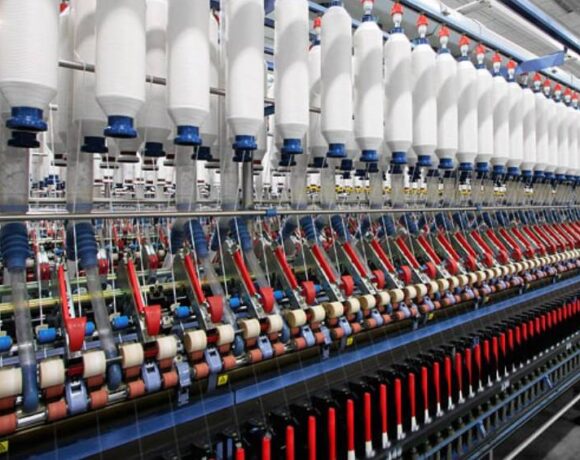
The scale and continued growth of the trade corridor are particularly significant for the textile and apparel industry. China is a major global supplier of textile fibres, yarns, fabrics, machinery, chemicals and other manufacturing inputs, while several ASEAN economies have emerged as important production and export bases for garments, footwear, textiles and related products.
The expanding China-ASEAN trade relationship is therefore strengthening the interconnected supply chains that link Chinese raw materials and machinery with manufacturing operations across Southeast Asia. Apparel manufacturers and international brands sourcing from countries such as Vietnam, Cambodia and Indonesia are among those that could benefit from increasingly integrated regional production networks.
The rapid growth in trade during the first seven months of 2026 also suggests that companies are continuing to deepen regional sourcing and manufacturing relationships. For textile and apparel businesses, this could translate into greater access to raw materials and intermediate products, while allowing manufacturers to diversify production across multiple markets.
The trade expansion comes against the backdrop of China’s continued efforts to strengthen economic ties with ASEAN and deepen regional supply-chain integration. For global textile and apparel companies, the China-ASEAN corridor is consequently becoming increasingly important not only as a trading route but also as a manufacturing ecosystem.
With bilateral trade already accounting for more than one-fifth of China’s total foreign trade in the first seven months of 2026, the region is likely to remain a key component of Asian sourcing strategies. The continued expansion of the corridor could further reshape the flow of textiles, apparel and manufacturing inputs across Asia.