
India-US Trade Deal Hinges On Competitive Tariff Access, Says Goyal
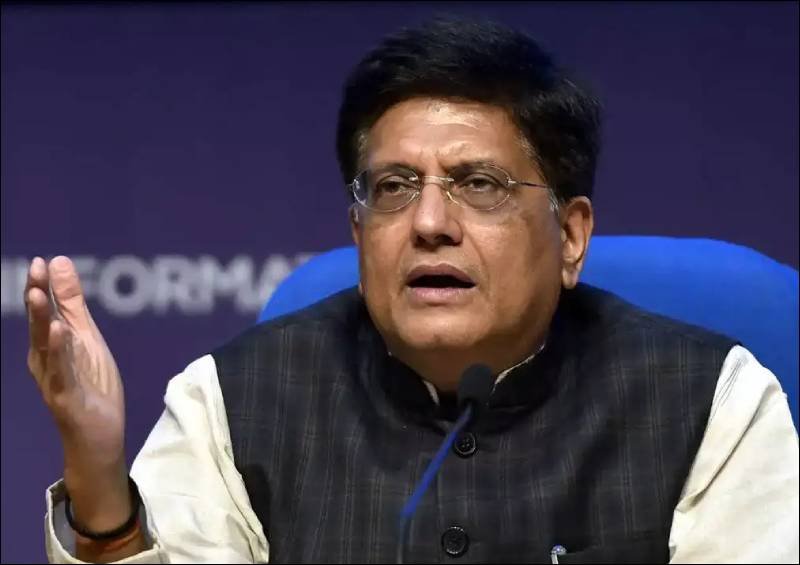
The first phase of the proposed India-US Bilateral Trade Agreement (BTA) will come into effect only after the United States restores India’s tariff competitiveness vis-à-vis rival exporting nations, Commerce and Industry Minister Piyush Goyal has said.
Addressing concerns over the progress of the long-awaited trade pact, Goyal stated that the understanding reached between the two countries was based on India securing a comparative advantage, or at least parity, with competing economies, particularly neighbouring countries and ASEAN nations.
According to the minister, India remains committed to the agreement announced by the leaders of both countries on February 3, but its implementation will depend on favourable tariff treatment that enables Indian exporters to compete effectively in the US market.

The remarks come amid growing uncertainty over US trade policy and proposed measures targeting countries that continue to purchase Russian energy.
Russian Oil Purchases Under Scrutiny
Attention has recently shifted to the proposed Sanctioning Russia and Iran Act of 2026, introduced in the US Senate by Senator Lindsey Graham. The legislation would authorise the US President to impose tariffs of up to 100 percent on imports from countries that continue to buy Russian crude oil and natural gas.
However, the proposed measure is not automatic. The legislation gives the US President discretionary powers to determine whether tariffs should be imposed, identify the countries covered and decide the applicable tariff rate.
The proposal has gained significance as geopolitical tensions in West Asia continue to impact global energy markets. Disruptions in crude oil flows through the Strait of Hormuz have affected supplies from key Middle Eastern producers, prompting India to increase imports of Russian crude oil to secure its energy needs.
India’s imports of Russian crude reportedly reached a record 2.6 million barrels per day in June and are expected to remain near that level in July.
Trade and Export Implications
The developments are being closely watched by Indian exporters, particularly as the US remains one of India’s largest export destinations. Industry observers believe that any change in tariff treatment could influence the competitiveness of Indian products across sectors, including textiles, apparel, engineering goods and chemicals.
Goyal reiterated that India remains confident about expanding exports to the US market, provided Indian products enjoy comparable or favourable tariff access relative to competing countries.
The minister also noted that India had participated in the Office of the United States Trade Representative’s Section 301 investigations concerning forced labour issues, under which a 10 percent tariff has been imposed on Indian exports.
Meanwhile, the US Senate has already advanced the Russia-Iran sanctions legislation, voting 86-12 to invoke cloture and move the bill towards a final vote.
For Indian industry, the outcome of both the proposed trade agreement and the evolving US sanctions framework will be critical in determining future export opportunities in one of the world’s largest consumer markets.