
Arushi Roopchandani Launches Atleisure To Bridge Workwear And Comfortwear
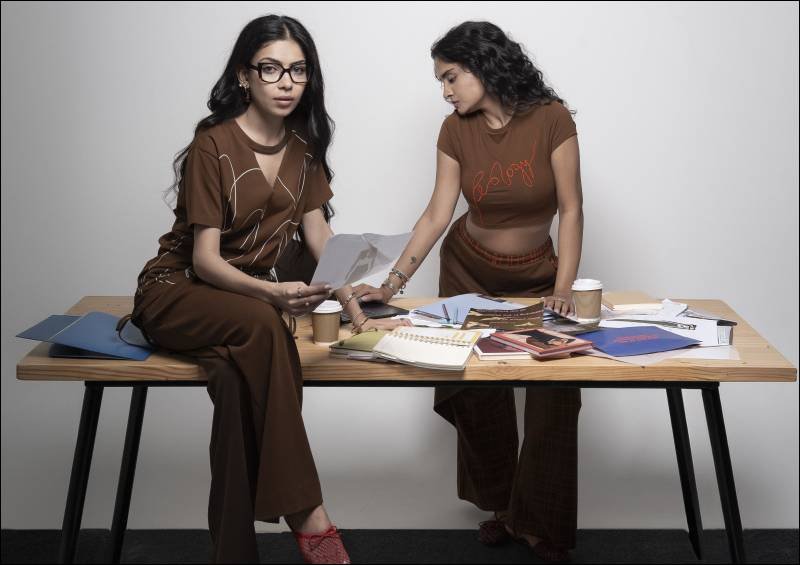
Designer and entrepreneur Arushi Roopchandani has launched Atleisure, an elevated comfort-wear label aimed at women who move between work, travel, errands and personal commitments through the day.
The brand seeks to bridge the gap between workwear and comfortwear by combining polished silhouettes with comfort-led fabrics designed for extended wear. Atleisure is built around the idea that women should not have to change outfits as their day moves from meetings and café work to travel, errands and dinner.
The idea emerged from Roopchandani’s experience running her first fashion business, Roology. Her days often involved client meetings, studio work, production issues, inventory and packing shipments. She found herself changing from a blazer for meetings into more comfortable clothes for the physical work that followed.

“I had reached a point where I was changing clothes several times because the outfit that looked right for a meeting was not comfortable enough for the work that followed,” Roopchandani said. “I wanted to get dressed once in the morning and know that whatever the day became, my clothes would still work.”
Conversations with manufacturers, founders, freelancers and women across industries convinced her that the challenge was widespread. Many women, she found, spent long hours in restrictive clothing because comfortable alternatives appeared too casual. Some carried changes of clothes or planned their routines around returning home to change.
Atleisure defines its offering as elevated comfort wear. Its collection uses cotton interlock and cotton Lycra fabrics comprising 93% cotton and 7% spandex, with two-way or four-way stretch depending on the garment. The fabrics feature smooth inner surfaces for extended wear and have been selected with temperature changes between Mumbai’s outdoor heat and air-conditioned environments in mind.
“I want a woman to stop thinking about her clothes after she puts them on,” Roopchandani said. “She should be able to work from a café, sit through meetings, travel for hours, run errands, meet her friends, and go to dinner without reaching a point where all she wants is to go home and change. She should feel comfortable without feeling underdressed.”
Product development involved seven to eight rounds of sampling, repeated wash tests and extended wear trials. Rather than relying solely on conventional fittings, testers wore the garments for seven to eight hours while sitting, walking, stretching, eating and working.
The final trials involved women with different body types wearing the garments for close to a full day, followed by several months of regular use and washing.
“A garment can feel perfectly comfortable when someone stands in front of a mirror for ten minutes,” Roopchandani said. “The real question is what happens after four or eight hours, when she has been sitting, walking, eating, working, and moving through different temperatures. We had to see the clothes being lived in.”
The philosophy behind Atleisure also draws from Roopchandani’s experience with work and burnout. While building Roology, she often equated longer working hours with progress, with client and stylist messages continuing between midnight and 3am. Over time, stepping away from work became increasingly difficult.
She missed her mother’s 50th birthday, her parents’ 25th anniversary and her own birthday as work repeatedly took priority. The experience changed her understanding of ambition and the relationship between work and rest.
For Roopchandani, burnout is not simply about working excessively but also about the guilt people can experience when they try to step away from work.
Atleisure is therefore built around the belief that rest does not diminish ambition. The brand does not position itself against hard work but challenges the notion that sleep, family, friendships, recreation and moments of stillness must be earned only after professional goals have been achieved.
“Careers are not built by never falling down,” Roopchandani said. “They are built by learning how to get back up, again and again, without giving up. Sometimes that begins with giving yourself permission to rest.”