
Heimtextil 27/28 Trends Focus On The New Balance Between Performance And Wellbeing
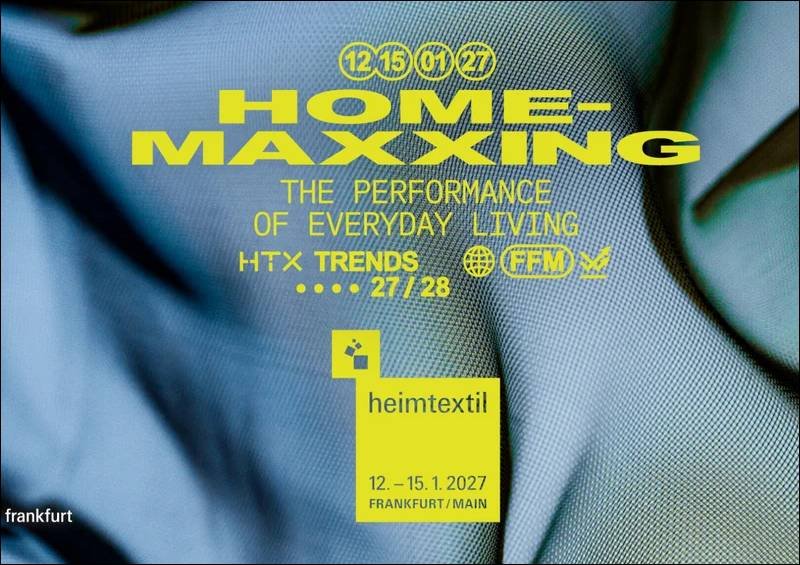
‘Home-Maxxing’ explores how textile innovation, technology and sensory design are reshaping interiors as consumers seek both efficiency and respite
Heimtextil has unveiled its Trends 27/28, identifying a growing shift in how consumers expect their living and working spaces to perform. Under the theme ‘Home-Maxxing – The Performance of Everyday Living’, the trend forecast examines the tension between increasingly technology-driven, efficiency-focused lifestyles and the growing need for homes that provide comfort, recovery and sensory escape.
Developed in collaboration with Milan-based design platform Alcova, the forecast translates this shift into three distinct directions: Staged Competence, Inside, Out and Hyper Presence.

The trends reflect an expanding role for home textiles. Beyond decoration, fabrics and surfaces are increasingly expected to regulate light, absorb sound, filter air and deliver durability, while also providing tactile and emotional comfort.
“Home-Maxxing captures two opposing expectations of our time: the drive for ever greater performance and the need for respite,” said Olaf Schmidt, Vice President Textiles & Textile Technologies at Messe Frankfurt. He noted that the new trends broaden the definition of textile performance by considering not only what materials can do, but also how their functions are communicated and experienced.
Staged Competence: Making Performance Visible
The first direction, Staged Competence, turns technical functionality into an aesthetic feature.
Rather than hiding construction and performance behind seamless surfaces, textiles and interior materials communicate their technical capabilities through visible design details. Technical codes, numbers, symbols and micrographics become part of the visual language, while fastenings and engineered details reinforce perceptions of durability and precision.
The approach reflects growing consumer interest in products that demonstrate how they have been engineered and tested. Performance, technical sophistication and measurable quality become visible elements of the product rather than hidden characteristics.
The accompanying colour palette draws from performance and industrial environments, combining cool blues and greens, mineral tones and pale synthetic shades, with acid yellow used as a high-impact accent.
Inside, Out: Revealing Construction
Inside, Out takes a different approach to technology by making construction and functionality easier to understand.
As digital systems become increasingly complex, the trend proposes greater transparency in the physical products surrounding consumers. Screws, straps, seams, cables, zips and other fastening systems are deliberately exposed rather than concealed.
The design language also highlights repairability and replaceability. Removable covers and visible connections can communicate that a product has been designed to be maintained, adapted or renewed rather than discarded.
The palette reinforces the industrial character, with charcoal and graphite forming the base and saturated red and soft violet introducing sharper contrasts. A muted cool green-grey completes the colour story.
Hyper Presence: The Return To The Senses
The third direction, Hyper Presence, represents the strongest counterpoint to technology-led optimisation.
It shifts attention from measurable performance to the physical and emotional qualities of materials. Texture, tactility, ageing and sensory experience become central to interior design.
Natural fibres, wool, leather, wood-based textiles and richly textured surfaces are positioned as materials that reconnect users with their physical surroundings. Rather than treating wrinkles, patina and signs of use as imperfections, the trend embraces them as evidence of longevity and character.
The sensory approach extends beyond touch. Beeswax-treated fabrics, for example, can release the natural scent of honey and propolis when warmed, demonstrating how textile surfaces can engage multiple senses.
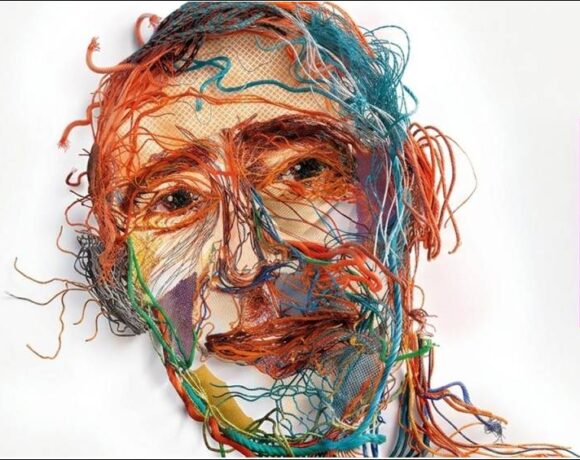
The colour palette moves away from the cool, synthetic character of the technology-driven trends, using deep rust, burnt orange, ochre, dusty pink and warm off-white to create a more grounded and calming environment.
Performance Meets Respite
Together, the three directions point to a broader evolution in interior textiles. Consumers are increasingly looking for products that perform specific functions, but functionality alone is no longer sufficient. Materials are also expected to communicate their purpose, withstand longer use and provide a sense of comfort and connection.
For home textile manufacturers and interior brands, this creates opportunities across high-performance fabrics, acoustic and light-management textiles, durable surfaces, repairable products and sensory-led materials.
The Heimtextil Trends 27/28 forecast suggests that the next generation of interiors will not simply be about making homes more efficient. Instead, the focus will be on finding a balance between what a space can do and how it makes people feel.