UP Targets Global Textile Hub Status With Rs 5,196 Crore Investment Proposals
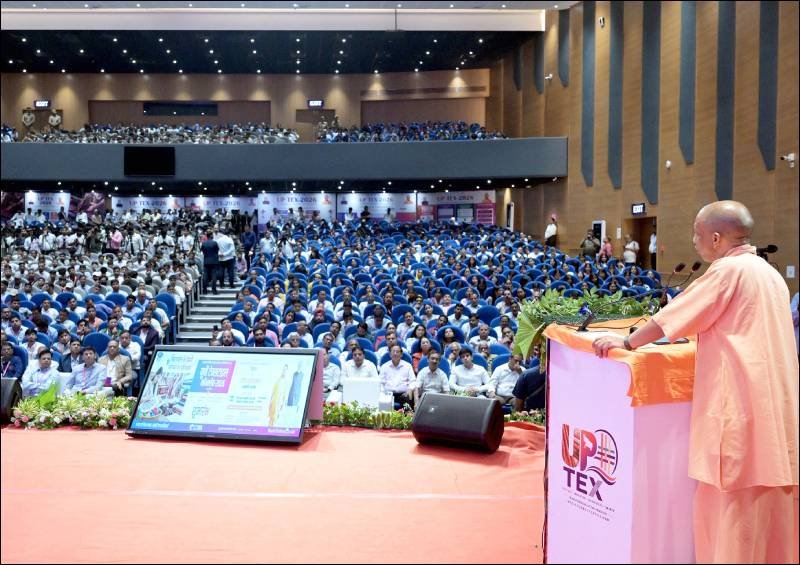
Uttar Pradesh is stepping up efforts to establish itself as a global textile hub, with the state government unveiling a roadmap focused on strengthening the entire textile value chain, expanding textile parks and boosting exports. Investment proposals worth Rs 5,196 crore were signed during the two-day UP Textiles Conclave-2026.
Addressing the inaugural session of the conclave, Chief Minister Yogi Adityanath said the state aims to build an integrated textile ecosystem spanning fibre, yarn, fabric, garments and brands, with a greater focus on global markets.
“Uttar Pradesh has heritage, skills, human resources, industry, entrepreneurship and the country’s largest market. With this strength, Uttar Pradesh must be developed as a global textile hub,” Adityanath said.

During the event, the chief minister launched the UP Tek Mitra Portal and inaugurated the Hathkargha Bunakar Samriddhi Yojana. The government also distributed Letters of Comfort worth Rs 163 crore and subsidies amounting to Rs 60 crore.
Adityanath highlighted the state’s long textile heritage and its diverse manufacturing and handicraft clusters, including Varanasi silk, Bhadohi carpets, Lucknow chikankari, Bareilly zari and Kanpur’s textile ecosystem. He also pointed to the potential for technical textiles in Meerut.
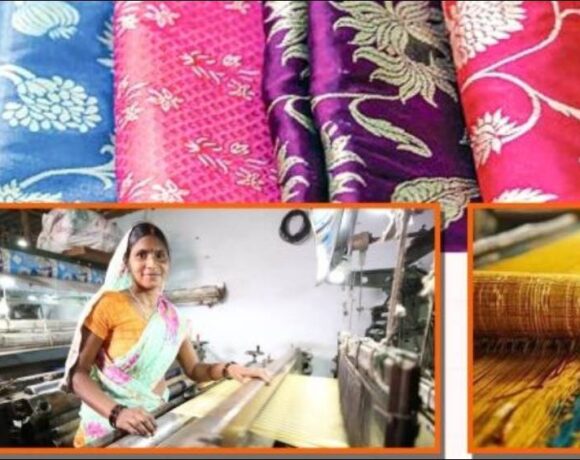
According to the state government, Uttar Pradesh has around 2 lakh handloom weavers and more than 5 lakh powerloom weavers. The textile industry is also among the state’s largest employment-generating sectors after agriculture.
The chief minister said Uttar Pradesh currently ranks third in the country in fabric manufacturing, accounting for around 13-14% of total fabric production. Over the past six years, the state’s exports of textiles, garments and handicrafts have increased by around 56%, making Uttar Pradesh the fourth-largest exporting state in the segment, he said.
Gautam Buddh Nagar has emerged as a major export centre, with exports exceeding Rs 21,000 crore in 2025-26, placing the district second among the country’s major exporting districts, according to the state government.
Adityanath said Uttar Pradesh would contribute to the national target of developing a US$ 350 billion textile and apparel economy and achieving US$ 100 billion in textile and apparel exports by 2030. He also highlighted the One District-One Product (ODOP) initiative, under which textile and handloom products from more than 35 districts have received wider recognition. Seventeen textile products from the state have also received GI tags, he said.
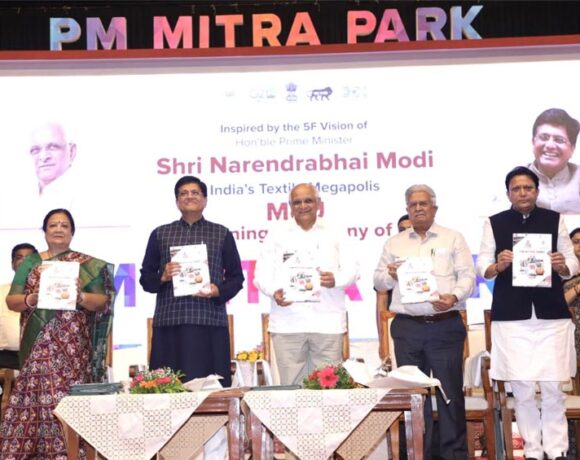
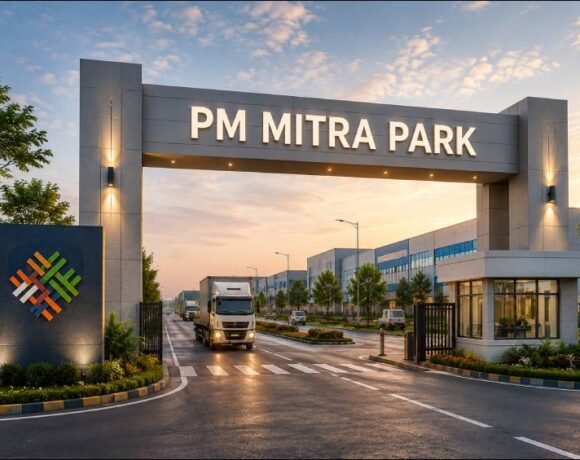
The state is also looking to expand its textile infrastructure through multiple parks and integrated manufacturing projects. Adityanath said the PM MITRA Park and Sant Kabir Textile Park were progressing, while land had been reserved for textile-related projects in Varanasi, Amroha, Bareilly, Sant Kabir Nagar and Bijnor.
The process of identifying land for textile and apparel parks has also begun in Sitapur, Mau, Kanpur, Jhansi and Rae Bareli, while Noida is being developed as an Apparel City, he said.
Technical textiles have been identified as another key area for growth. Adityanath said the sector was expanding beyond conventional yarn, fabric and fashion applications into areas such as defence, healthcare, agriculture and sports.
“Technical textiles are rapidly emerging in sectors such as defence, healthcare, agriculture and sports. Therefore, Uttar Pradesh will have to strengthen its technical textile capabilities while moving beyond traditional textiles,” he said.
The state government is also seeking to increase the participation of MSMEs and entrepreneurs in global value chains. Adityanath said MSMEs should move beyond their role as subcontractors, while young people should be encouraged to become entrepreneurs and innovators in the textile sector.
He outlined the approach as “Design in UP, Made in UP and Exported from UP”, aimed at taking the state’s manufacturing and design capabilities to international markets.
The state is also focusing on skill development to support the expansion. Institutions including NIFT Rae Bareli and the Uttar Pradesh Textile Technology Institute, Kanpur, are preparing students and workers for the changing requirements of the textile industry, according to the government.
Adityanath also highlighted the broader investment environment in the state, saying Uttar Pradesh now has 36 sector-specific policies and has received investment proposals worth around Rs 50 lakh crore over the past nine years, of which proposals worth approximately Rs 15 lakh crore have been grounded.
The state has generated employment for more than 65 lakh youth and has around 96 lakh MSME units, he said. Women’s participation in the workforce has also increased, while the state’s per capita income has tripled over the past nine years, according to the chief minister.
The conclave brought together textile entrepreneurs, investors, exporters, traditional weavers, handloom operators and young entrepreneurs from across the country.
Adityanath said the objective was to transform Uttar Pradesh’s existing textile heritage and industrial base into a globally competitive ecosystem by increasing investment, strengthening manufacturing and skills, creating employment and expanding exports.
Khadi and Village Industries, Silk, Handloom and Textile Industry Minister Rakesh Sachan, Uttar Pradesh Transformation Commission CEO Manoj Kumar Singh, Principal Secretary, Textile Industry Anil Kumar Sagar, along with industry representatives, investors and exporters, attended the event.