
ITA Develops Washable Smart Jacket For AI-Powered Rehabilitation
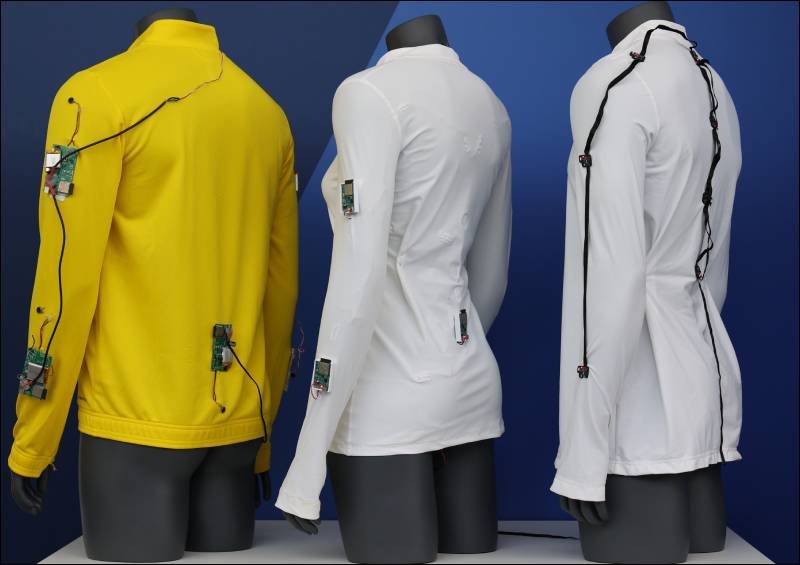
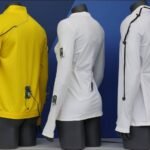
The Institut für Textiltechnik (ITA) of RWTH Aachen University is developing a washable digital smart jacket that uses integrated sensors and artificial intelligence to monitor rehabilitation exercises and provide real-time feedback to patients.
The smart jacket is being developed as part of the PhysioTaix research project and is designed to track body movements during rehabilitation exercises. The movement data is transmitted in real time to a connected application, where AI is used to analyse and evaluate the exercises.
Patients can receive immediate feedback on their movements, helping them better understand their performance and carry out exercises more independently, particularly when training at home.

Unlike conventional rehabilitation systems that require several individual sensors to be attached to different parts of the body, the PhysioTaix system integrates the sensors directly into the jacket. Users simply wear the garment, making the technology easier to incorporate into regular rehabilitation routines.
The system could also provide therapists with additional objective data on a patient’s movements. The information collected during exercises may help healthcare professionals assess rehabilitation progress and identify changes in movement patterns.
ITA is currently working with rehabilitation centres, healthcare professionals and other experts during the development and testing phase. The collaboration is intended to ensure that the technology can be adapted to practical requirements in rehabilitation settings.
The smart jacket and its digital application are being developed and tested at the modular smart textiles workshop at the Digital Innovation Centre Europe (DICE). Students are also involved in the development process, gaining practical experience in designing and implementing smart textile technologies.
Rehabilitation often involves repeated exercises over an extended period, with many patients required to continue their exercises at home between therapy sessions. However, therapists cannot observe every movement outside clinical appointments. Without immediate feedback, patients may find it difficult to determine whether they are performing an exercise correctly.
PhysioTaix aims to address this gap by combining smart textiles, movement sensing, wireless connectivity and AI-based analysis in an everyday garment.
The project will continue to be developed and tested until February 2027. Following completion, ITA plans to assess potential applications of the technology, including further collaboration with clinics and health insurance providers.
The project reflects the expanding role of smart textiles in healthcare, where sensor-integrated garments are being explored for continuous movement monitoring, personalised feedback and data-supported rehabilitation.