Cooling Investments In Bangladesh Apparel Factories Can Pay Back Within Four Years
Investments in cooling systems for Bangladesh’s apparel factories could be commercially viable, with an estimated payback period of one to four years, according to new research by Cornell University’s Global Labor Institute (GLI).
The findings are part of a new report, “Six Seasons, Four Summers: How to Solve Fashion’s High Heat Problem”, which examines the growing impact of heat stress on apparel workers and factories in Bangladesh. Researchers analysed data from eight apparel factories in the Dhaka region and the homes of around three dozen workers to assess the economic costs of rising temperatures and the potential returns from workplace cooling investments.
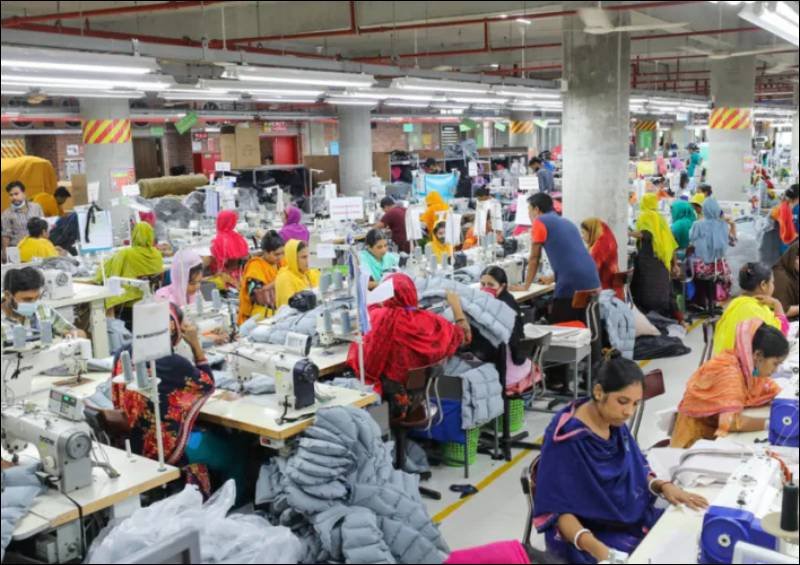
According to the study, Dhaka experienced a seven-month heat-stress season in 2025, which researchers described as becoming the new norm. Heat stress inside factories was consistently higher than outdoor levels, creating additional risks for workers and potentially affecting productivity and operational performance.

The highest levels of exposure were recorded in cutting, ironing and finishing sections. Workers in these areas spent significant portions of their working time during the hottest months in the ‘caution’, ‘high’ and ‘severe’ heat-stress zones.
The researchers evaluated two economic scenarios, a headwind scenario and a worst-case scenario, to account for changing business conditions, rising costs and uncertainty across the apparel industry. Across the factories and variables studied, the estimated payback period for cooling interventions ranged from one to four years.
“Everything is constantly changing and costs are rising,” said Jason Judd, Executive Director of GLI, during an eCornell Keynote presenting the research. “But we know that heat stress levels in general are rising, while factory earnings may be up or down, while the fashion industry as a whole is flat or falling.”
Judd added that the researchers calculated the economics under two different scenarios and found that “across all these factories and all these variables, the payback period for cooling solutions was one to four years.”
The study also highlights that workers face heat exposure beyond the workplace. Researchers found that many workers experienced significant heat stress in their homes, reducing the opportunity for adequate recovery after working hours.
Higher temperatures at home also increased household expenses, including electricity, medicines and other heat-related costs. Surveys found that some workers borrowed money, pawned belongings or reduced other household spending to meet expenses for fans, electricity and healthcare during the hottest periods.
The report argues that addressing heat stress will require both engineering interventions in factories and improvements in workers’ economic security.
“Wages are, along with the engineering solutions, amongst the most important technologies available,” Judd said. “Living wages would allow workers to invest in electricity for their homes, for efficient fans, for the medicines that help power them through these hot months, and perhaps most importantly, for homes that help them escape the worst of the high heat stress season.”
The researchers are calling for greater coordination between apparel brands, manufacturers, governments and international institutions to address rising temperatures in garment production centres. They also advocate greater collaboration in sharing the costs of workplace adaptation as extreme heat becomes a more persistent challenge for the global apparel industry.