
Global Cotton Output Forecast At 118 Million Bales
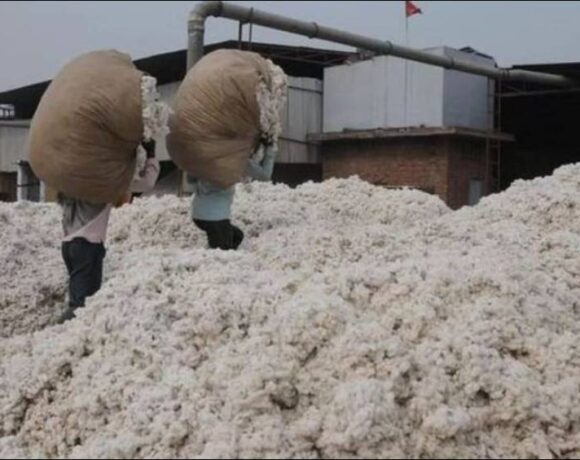
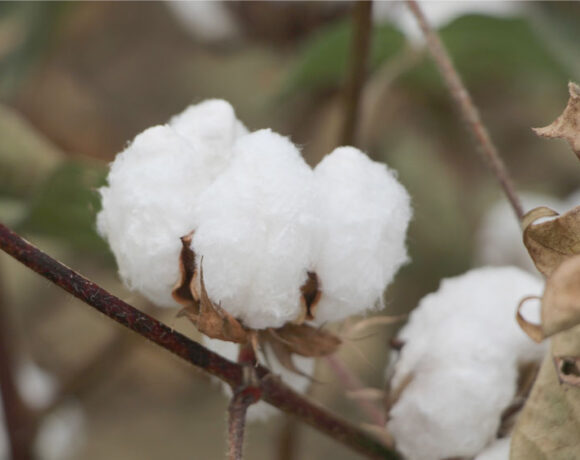
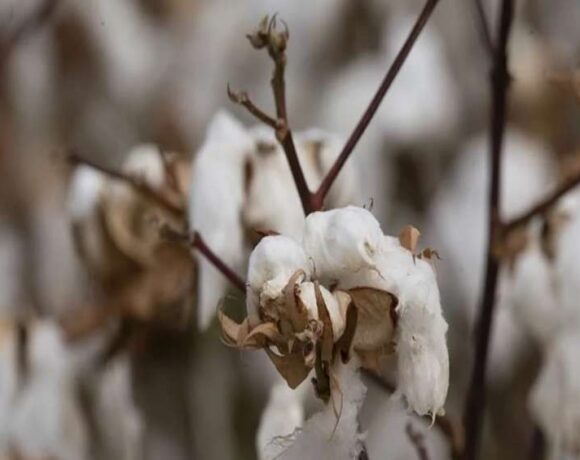
Global cotton production is projected to reach 118 million bales in 2026–27, with larger harvests in Brazil and the United States lifting the outlook despite a reduction in Argentina, according to the US Department of Agriculture’s latest World Agricultural Supply and Demand Estimates (WASDE).
The forecast is 600,000 bales higher than the September estimate. Brazil’s output projection has been raised by 500,000 bales to 19 million, while US production has increased by 241,000 bales to 13.44 million. Argentina’s crop estimate has been reduced by more than 100,000 bales to 1.3 million following a decline in harvested area.
China is expected to remain the largest producer at 33.5 million bales, followed by India at 24 million. Pakistan’s output is projected at 5 million bales and Uzbekistan’s at 3.4 million. Australian production remains unchanged at 3 million bales, around 1.5 million below the previous season, placing it seventh globally.

World cotton trade is forecast to increase by nearly 500,000 bales from the previous estimate to 44.7 million. Brazil’s exports have been revised upwards by 500,000 bales to 16 million, potentially setting a record for the fourth consecutive year. The country is expected to retain its position as the largest exporter, ahead of the US at 12.3 million bales and Australia at 4.5 million.
India’s import forecast has been raised by 300,000 bales to 3.3 million as buyers take advantage of the temporary suspension of cotton import duties during the first quarter of the marketing year beginning August 2026. Vietnam’s projected imports have increased by 100,000 bales to 8.3 million.
Global cotton consumption is estimated at 123.1 million bales, up nearly 200,000 from the September forecast, reflecting stronger use in Guatemala, Malaysia and Vietnam. Ending stocks are projected to rise by more than 800,000 bales from the previous estimate to 70.7 million, mainly due to increases in India, the US and Uzbekistan. Australian closing stocks are forecast at 2.47 million bales, their lowest level in several years.
The US season-average farm price forecast has been lowered by one cent to 77 cents per pound. Cotton futures on the Intercontinental Exchange have declined by around eight cents since the previous WASDE report to approximately 80 cents per pound.
The report also highlighted changing sourcing patterns in Türkiye, where imports are forecast at 5 million bales for the marketing year ending July 2027. Lower domestic production is expected to support overseas purchases, making the country the world’s fifth-largest cotton importer.
Brazil has strengthened its position in the Turkish market, overtaking the US as its leading supplier in 2024–25. High inflation and energy costs have pushed Turkish mills towards competitively priced cotton from Brazil and nearby Azerbaijan.
Australian shipments to Türkiye fell to almost 43,000 bales in 2025–26, compared with 139,442 bales in 2024–25 and 116,808 bales in 2023–24. Türkiye’s cotton exports are forecast to decline by nearly half to 600,000 bales in 2026–27 as domestic supplies tighten.
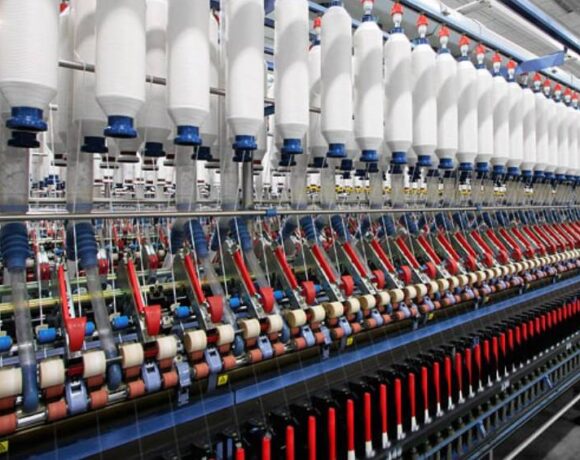
Turkish cotton consumption is projected to remain unchanged at 6.8 million bales, around 21 per cent below its record level five years earlier. Weak domestic purchasing power, softer European orders and competition from other textile-producing countries continue to constrain demand.
Elevated operating costs and regional instability are adding to the pressure, with mills facing lower capacity utilisation and some facilities closing or relocating to cheaper locations. These conditions are expected to limit the recovery of Türkiye’s cotton textile and apparel industry.