
India Needs Better-Connected Trade Gateways, Says FICCI–Kearney Report
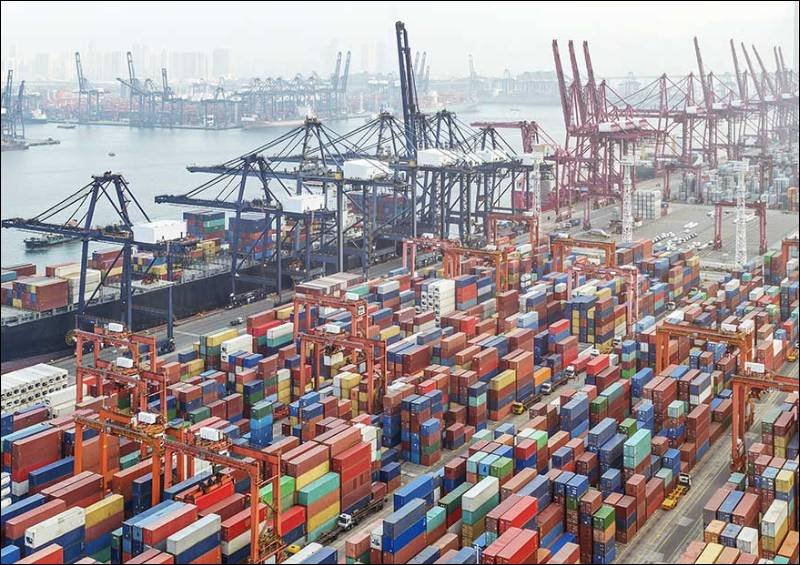
India must strengthen inland connectivity, shipping services and logistics coordination to translate improvements in port efficiency into greater trade competitiveness, according to a FICCI–Kearney report released in Mumbai.
Titled India’s Maritime Agenda for 2030: From Efficient Ports to Globally Connected Trade Gateways, the report calls for differentiated strategies for container gateways, transshipment hubs, industrial and energy gateways, and specialised export corridors.
Cargo handled at India’s major and non-major ports increased 38% between FY2017–18 and FY2025–26 to 1,668 million tonnes, while handling capacity expanded 22% to 2.8 billion tonnes annually. Average vessel turnaround time at major ports fell 18% to around 49 hours.

However, the report identifies significant time spent beyond regulatory approval. At four core seaports covered by the 2025 National Time Release Study, export approval averaged approximately 30 hours, while the period between approval and vessel departure reached about 158 hours, 84% of total measured time. This includes logistics activity and scheduled waiting, rather than solely avoidable delays.
Dependence on overseas transshipment hubs remains another challenge, with around 75% of India’s transshipment containers handled abroad as of May 2025.
The report recommends aligning gateway investment with cargo demand, industrial catchments and overseas markets. It also calls for prioritising road and rail connections around actual cargo flows and using shipment data to identify bottlenecks.
A designated coordinator for each gateway should oversee implementation, with clear responsibilities, funding and milestones. Performance should be measured through total shipment costs, transit reliability, market access, cargo growth and commercial returns.