
AAFA Warns New U.S. Port Fees Could Disrupt Trade, Urges Reconsideration
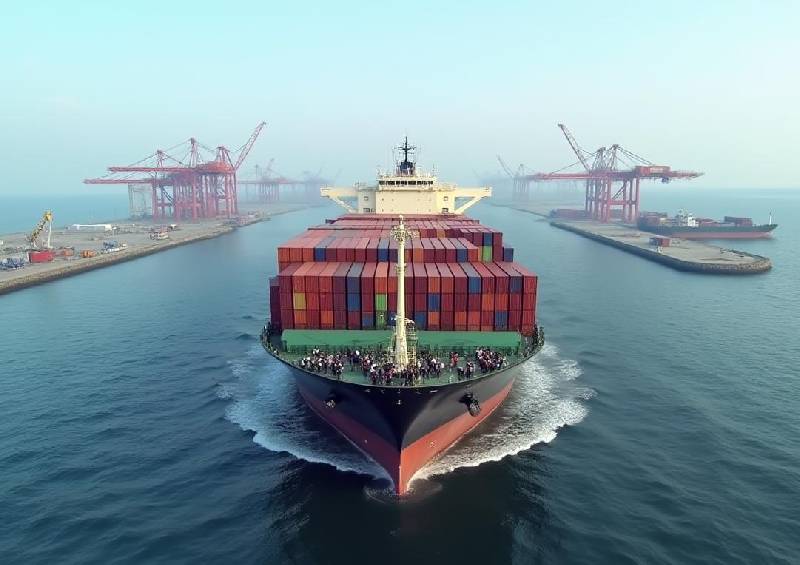
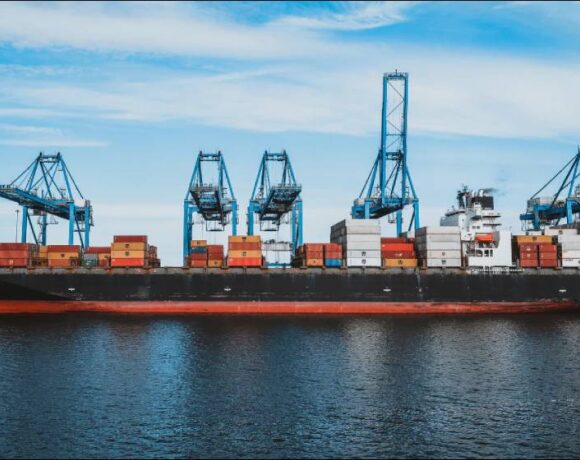
The American Apparel & Footwear Association (AAFA) has responded to the U.S. government’s new port-fee regime targeting Chinese-owned and operated carriers, as well as carriers with Chinese-built vessels calling at U.S. ports. The fees, effective today, aim to address China’s dominance in global shipbuilding, where it produced 53% of the world’s ships in 2024 and to bolster the U.S. shipbuilding industry.
“While the goal of strengthening domestic shipbuilding is commendable, these port fees fail to achieve their objectives,” said Nate Herman, AAFA Executive Vice President.
“Carriers are redeploying non-Chinese-built ships on U.S. routes while continuing to expand orders at Chinese shipyards. Meanwhile, Chinese carriers are shifting calls to Canada and Mexico, diverting business from U.S. ports and reducing work opportunities for American longshoremen.”
AAFA also warned that the fees, which increase annually each April, could drive up shipping costs for apparel and footwear companies, potentially passing higher prices on to consumers.
Audrey Clark, AAFA Trade and Transportation Specialist, urged the U.S. government to focus on domestic incentives and sustained support for U.S. shipbuilding rather than imposing punitive measures that create inefficiencies.
China has responded with retaliatory legislation, imposing matching fees and restrictions on U.S.-flagged ships starting October 14, with annual increases through 2028. AAFA calls on both nations to step back from escalating port fees, warning that they could disrupt trade, strain supply chains and increase costs for businesses and consumers alike.