Bangladesh Garment Sector Hit By Iran Conflict, Rising Costs
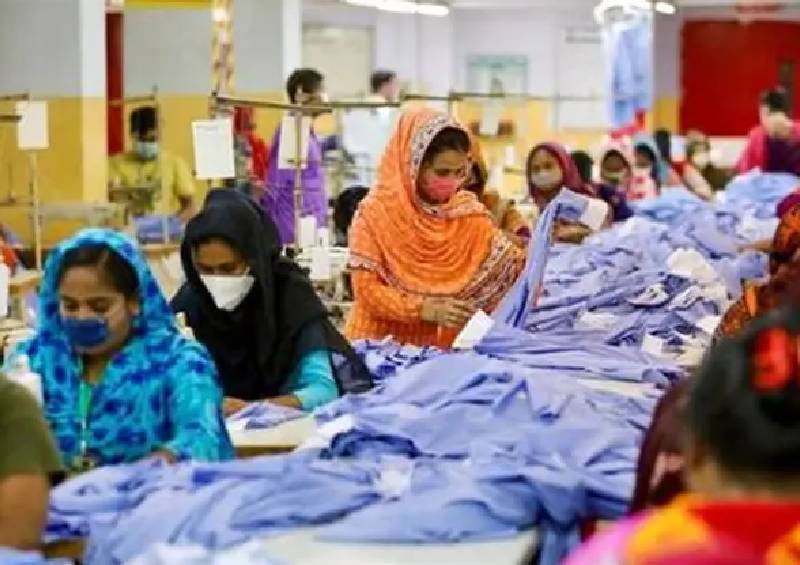
Bangladesh’s garment industry is facing renewed pressure as the Iran conflict disrupts shipping routes and drives up energy costs, threatening the country’s key export engine.
The ready-made garment (RMG) sector, which contributes over 80% of export earnings and employs around 4 million people, is witnessing slower momentum as logistics delays and rising freight costs impact deliveries to major markets such as the European Union.
Apparel exports to the EU dropped sharply by over 25% in January 2026 to $1.55 billion, reflecting weakening demand alongside falling prices and volumes.
Shipping disruptions across key Gulf routes have forced rerouting, increasing transit times and pushing freight and insurance costs higher. Industry bodies warn that prolonged instability could further erode competitiveness.
At the same time, rising global fuel prices are squeezing manufacturers, with higher costs for electricity and captive power. Bangladesh’s reliance on imported LNG has exposed it to price volatility, with spot prices surging significantly in recent months.
The impact is already visible at the factory level, where some manufacturers are cutting production or scaling back operations due to fuel shortages and rising costs.
Despite government efforts to stabilise gas prices and secure external funding support, the sector continues to face mounting financial pressure.
Analysts warn that sustained disruptions could have broader economic implications, with potential risks to GDP growth. The crisis also raises long-term concerns, as higher costs and delays may accelerate global sourcing shifts toward alternative manufacturing hubs.
With thin margins and heavy dependence on exports, Bangladesh’s garment sector remains vulnerable to prolonged geopolitical and supply chain disruptions.