
Brands Co-invest In Solar Power Projects Of Textile Factories To Decarbonize Textile Production
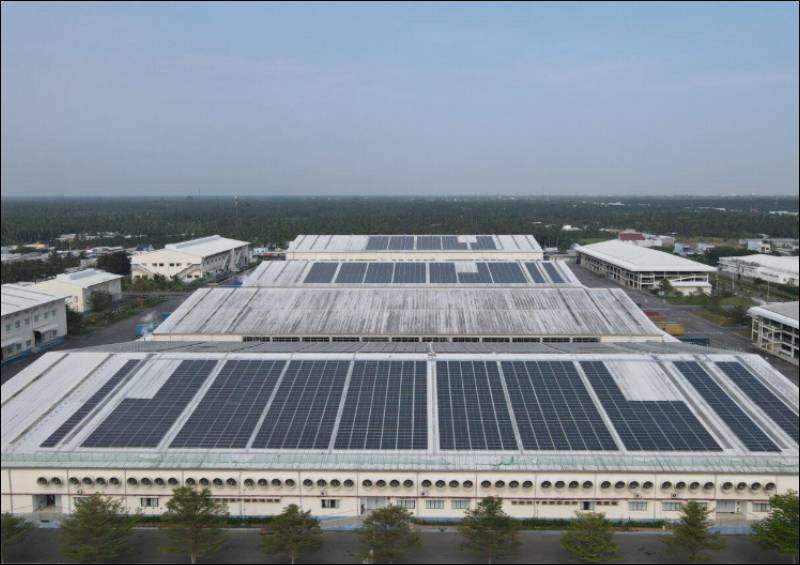
A growing number of global fashion brands are taking direct action to decarbonize their supply chains by co-investing in solar power installations at textile factories. In a major shift toward cleaner production, brands are partnering with energy companies to install rooftop solar systems at small and medium-sized textile mills in key manufacturing countries such as Bangladesh. The move directly tackles one of the industry’s biggest climate challenges, reducing emissions at the energy-intensive stages of dyeing, finishing and fabric production.
This co-investment model represents a breakthrough for the industry. For years, smaller suppliers have struggled to secure financing for renewable energy upgrades, as banks often considered them too risky. By stepping in as financial partners, brands are helping factories overcome these barriers and rapidly transition to clean energy. In the past two years alone, one joint initiative has installed more than seven megawatt-peak (MWp) of solar capacity, marking an impressive 200% growth in just 18 months.
The move comes amid growing pressure on fashion companies to turn sustainability pledges into measurable results. While many brands have publicly committed to achieving net-zero emissions, the real challenge has always been decarbonizing the deeper layers of their supply chains, particularly the Tier 2 and Tier 3 textile mills that consume the most energy. Until now, these factories have lacked both the financial means and technical support to adopt renewable power.
“This model changes the equation,” said a sustainability analyst familiar with the initiative. “When brands directly co-invest in solar, they’re not just making a promise, they’re removing the financial barriers that kept smaller factories dependent on fossil fuels.”
Industry experts say this trend is being driven by two key factors: tightening regulations and the financial imperative to cut Scope 3 emissions, which account for the bulk of a fashion brand’s carbon footprint. By effectively co-signing the investment, brands de-risk solar projects for energy providers and make them more bankable for small manufacturers. In turn, factories that adopt renewable energy are likely to become preferred suppliers under brands’ stricter sourcing standards.
The early data is promising. With over seven MWp of rooftop solar already operational, the initiative demonstrates that decarbonization can be achieved at scale without waiting for public-sector incentives. The focus on small and medium-sized manufacturers, traditionally the hardest segment to green, also signals a shift toward more equitable climate action across the global textile network.
Looking ahead, analysts expect this model to expand beyond Bangladesh to other major textile-producing countries such as Vietnam, India and Turkey. The next milestone will likely be the creation of larger, multi-brand investment platforms dedicated to financing renewable infrastructure across the industry. As brands increasingly include supplier-level decarbonization in their quarterly sustainability reports, the race to solarize textile manufacturing could become a defining trend in the next phase of fashion’s clean-energy transition.
By directly funding solar power at the source of production, brands are moving from pledges to progress, turning sunlight into a strategic tool for both competitiveness and climate responsibility.