Brazil Extends Anti-Dumping Duties On Nylon Yarn Imports For Five Years
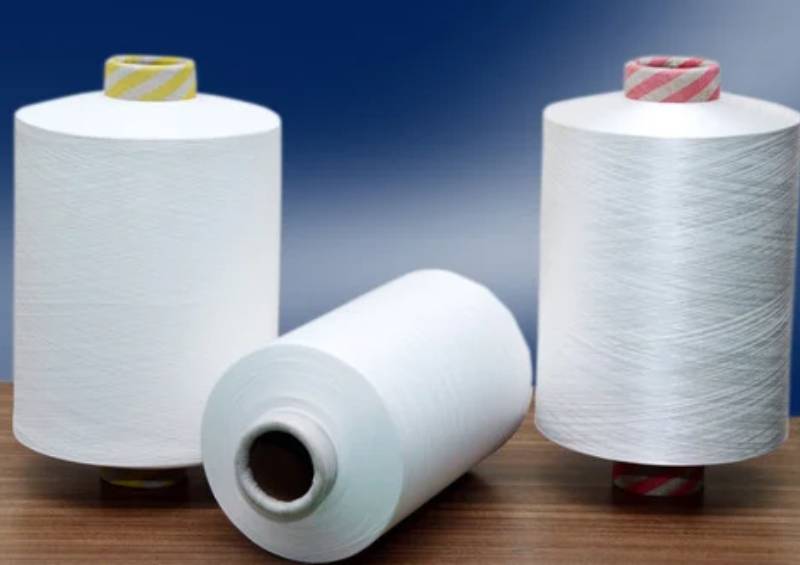
Brazil has decided to continue anti-dumping duties on nylon yarn imports from mainland China, South Korea and Taiwan, following an affirmative final ruling in the second anti-dumping sunset review of the case. The decision was announced on December 19, 2025, through Resolution No. 828 of 2025 issued by the Executive Management Committee of the Foreign Trade Chamber of Brazil (GECEX) and takes effect immediately from the date of issuance.
Under the renewed measures, anti-dumping duties will remain in place for a further five-year period. Imports of nylon yarn from mainland China will attract duties ranging from US$ 167.98 to US$ 1,860.68 per metric tonne, while shipments from South Korea will be subject to duties between US$ 77.85 and US$ 2,085.16 per metric tonne. Imports originating from Taiwan will face duties ranging from US$ 159.91 to US$ 2,583.01 per metric tonne. The products covered under the ruling fall within Mercosur tariff codes 5402.31.11, 5402.31.19 and 5402.45.20.
The measures will not apply to certain producers that received company-specific exemptions. These include Yiwu Huading Nylon Co., Ltd. from mainland China, as well as LeaLea Enterprise Co., Ltd. and Li Peng Enterprise Co. Ltd. from Taiwan.
Brazil first initiated an anti-dumping investigation into nylon yarn imports from mainland China, South Korea, Thailand and Taiwan in July 2012, and issued an affirmative final ruling in December 2013. The first sunset review was launched in December 2018 and concluded in December 2019, when Brazil decided to continue duties on imports from mainland China, South Korea and Taiwan, while terminating measures on products originating from Thailand.
With the earlier duties scheduled to expire in December 2024, Brazil’s Secretariat of Foreign Trade under the Ministry of Development, Industry, Trade and Services initiated the second sunset review on December 20, 2024, following an application filed by the Brazilian Association of Artificial and Synthetic Fiber Producers (ABRAFAS) in July 2024. The dumping investigation covered the period from April 2023 to March 2024, while the injury assessment examined market conditions from April 2019 to March 2024.
The latest ruling signals Brazil’s continued commitment to shielding its domestic synthetic fibre industry from unfairly priced imports, while maintaining a structured trade-remedy framework governing nylon yarn imports over the next five years.