
Fashion Brands Fall Short On Living Wage Commitments
The seventh edition of Fashion Checker, a living wage monitoring project by the Clean Clothes Campaign (CCC), has found that the world’s major fashion brands continue to fall significantly short of their commitments to provide living wages to garment workers.
Released to coincide with Living Wage Action Day, the 2026 edition assesses 110 brands on living wage commitments, progress, supply chain transparency and worker grievance mechanisms. The report also includes information on industry initiatives, due diligence regulations and grievance mechanisms.
According to Fashion Checker, 32% of the brands assessed have made a commitment to paying living wages, but only 4% have reported tangible progress towards achieving them. The report also notes that 96% of brands currently fail to provide a living wage to any workers in their supply chains.

Supply chain transparency has improved, with 41% of the brands assessed now disclosing facility-level supply chain data, a 28% increase from 2020. However, only 3% disclose wage levels at their supply chain facilities.
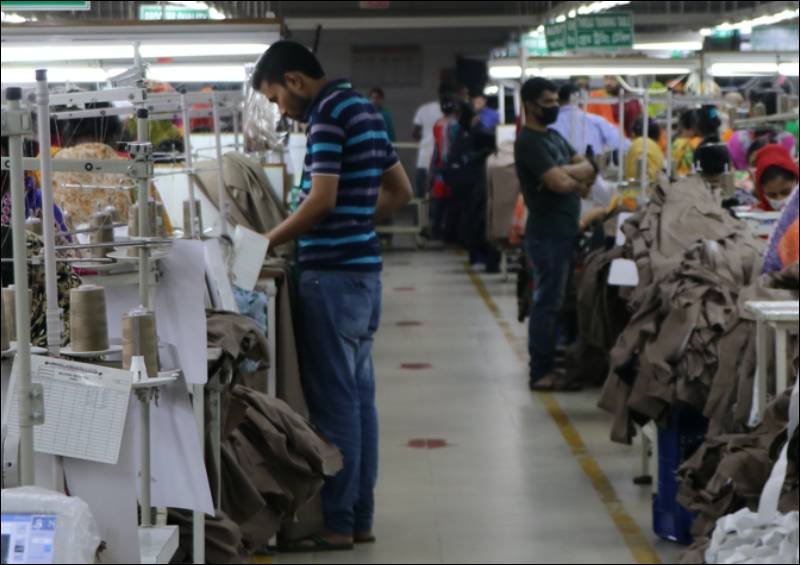
Worker surveys cited by the report highlight the continuing gap between actual wages and living wages in major garment-producing countries. Workers surveyed were earning 73% less than a living wage in Bangladesh, 74% less in Pakistan, 63% less in Serbia and 66% less in Turkey.
The report also examines the implications of the European Union’s Corporate Sustainability Due Diligence Directive (CSDDD), which is expected to apply to companies from 2029 and includes provisions related to adequate living wages. Fashion Checker estimates that 30 of the 110 brands assessed or 27%, are likely to fall within the scope of the legislation.
However, only 3% of these brands currently have a publicly available living wage action plan, while 13% do not have a publicly accessible grievance mechanism for workers. Across all brands assessed, one quarter (25%) lack a publicly accessible mechanism through which workers can safely report workplace concerns, including wage violations.
Brands receiving the lowest possible living wage score in the assessment include Benetton, Levi’s, Adidas, Uniqlo and H&M.
Fashion Checker Coordinator Aileen Robinson said brands have made limited progress since the project began in 2019
“Any wage below living wage is a poverty wage, and brands are failing to live up to their promises to provide a decent livelihood to workers and their families,” Robinson said. “Since the project began in 2019, we have seen only a 3% improvement on brand living wage scores, with 96% of brands currently failing to provide a living wage to any workers.”
The Clean Clothes Campaign has called on brands to support wage increases in garment-producing countries and strengthen their living wage commitments through concrete action. It has also urged companies to support trade union demands, including a proposed US$ 250 monthly minimum wage in Cambodia and renewed minimum wage negotiations in Bangladesh.