
Fashion Sector Falls Short On Decarbonisation Despite Lofty Climate Goals: CCRM 2025 Report
Despite stronger climate pledges, global fashion giants like Adidas, H&M Group, Inditex, Lululemon, and Shein are falling behind on meaningful decarbonisation, according to the 2025 Corporate Climate Responsibility Monitor (CCRM) released by NewClimate Institute and Carbon Market Watch. The report reveals that while greenhouse gas (GHG) reduction targets have improved, these commitments often lack credible implementation strategies particularly for electrifying supply chains and reducing overproduction.
H&M, Adidas and Inditex received “moderate” ratings for their overall climate strategy integrity. Lululemon and Shein were rated “poor” and “very poor” respectively, with Shein’s emissions rising sharply in recent years and no meaningful steps toward key transitions.

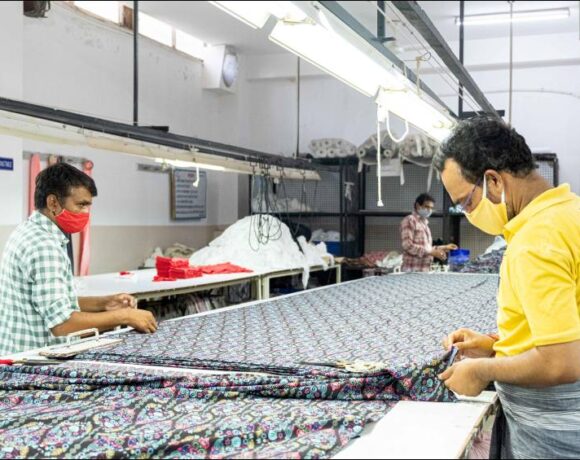
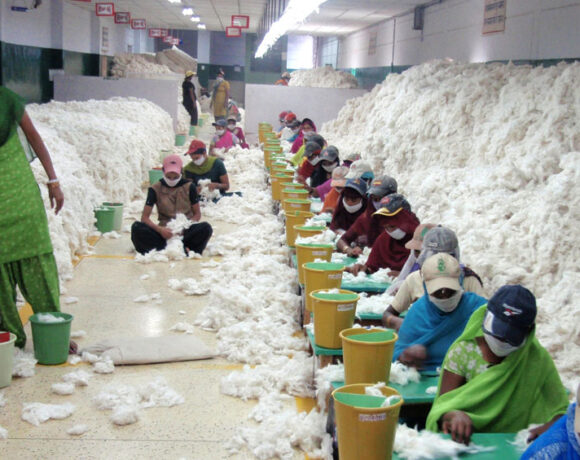
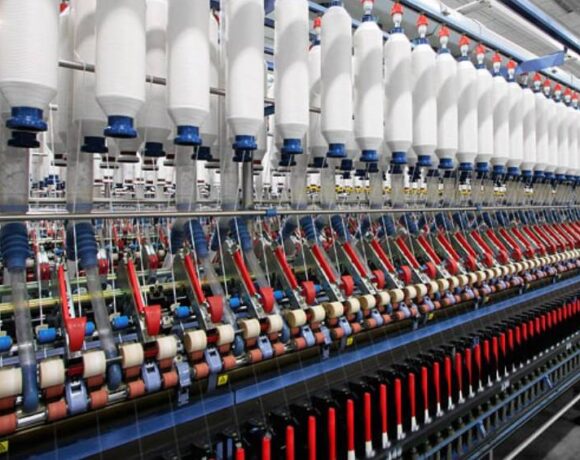
The study highlights that 85% of the sector’s emissions stem from energy use in garment production. Yet, most companies still rely on biomass and fossil gas as replacements for coal dubbed “false solutions” rather than prioritising electrification using high-quality renewable energy. Only H&M has disclosed detailed supply chain energy data, while others remain opaque about fuel use and transition timelines.
“Replacing coal with biomass or fossil gas locks companies into carbon-intensive systems,” said Eve Fraser of NewClimate Institute. “Electrification, powered by renewable energy, is the only scalable solution.”
While some progress has been made in renewable electricity procurement and fibre transparency, companies still fail to address overproduction, a core issue of the fast fashion model. Circularity efforts such as resale platforms remain marginal. The report urges fashion brands to shift from high-volume models to sustainable, value-driven business strategies.
NewClimate Institute calls on standard setters like ISO and SBTi to mandate transition alignment targets and issue stricter guidance on biomass use. Regulatory intervention is also recommended, including mandatory production volume reporting and bans on the destruction of unsold inventory.
The report concludes that while the fashion sector shows signs of improvement, it remains far from aligning with a 1.5°C climate pathway. Clearer targets, systemic business model shifts and transparent disclosures are urgently needed.