Ghana Unveils Draft Policy To Revive Textiles And Apparel Sector
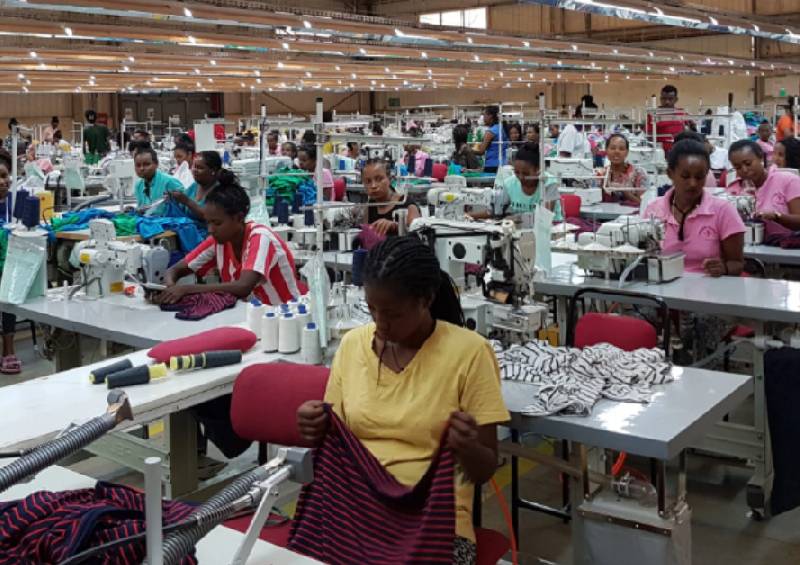
Ghana has unveiled a draft 10-year policy framework aimed at restoring its once-thriving textiles and garments sector and positioning the country as a leading hub for ethical and sustainable apparel production in West Africa.
The proposed framework outlines interventions across nine thematic areas, including infrastructure development, cotton cultivation, investment incentives, skills training, and trade facilitation. Key measures include the creation of five industrial parks, zero-rated taxes and duties for eligible investors, and the launch of a Ghana Textile Upgradation Fund (G-TUF) to modernize outdated machinery.
A Cotton Development Fund will also be introduced to revive local farming, while a dedicated Textile and Garment Sector Development Unit will coordinate activities, attract foreign investment, and serve as a one-stop shop for stakeholders.
To refine and validate these measures, a three-day national workshop opened in Accra on Wednesday, August 6, bringing together stakeholders from academia, finance, industry, government agencies, labour unions, and development partners.
The final policy, once adopted, is expected to provide clarity, incentives, and institutional coordination to help rebuild the sector and reclaim its role in Ghana’s industrial and economic development.
Speaking at the workshop’s opening, Minister for Labour, Jobs and Employment, Dr Abdul Rashid Hassan Pelpuo, highlighted the need for alignment between industrial operations and national goals. “Textiles are a key enterprise that drive the development of any country. If a factory exists and does not follow the policy of the existing government, it means that the factory shouldn’t exist at all,” he said.
Stressing the industry’s role in tackling youth unemployment, he added: “This policy must not just be validated, it must be a catalyst to reset the economy, reset the mindset and reset the development path of Ghana.”
Deputy Minister of Trade, Agribusiness and Industry, Samson Ahi, highlighted the industry’s historical importance and untapped potential. He noted that Ghana once had a flourishing textile and garment industry, but only a few legacy companies remain, many operating below capacity.
He emphasized that the draft policy is built on research, consultations, and global market analysis, expressing confidence that it will boost investment, productivity, and competitiveness, ultimately positioning Ghana as a regional hub for sustainable apparel manufacturing.