
Ghana’s Import Dependency Raises Concerns Over Local Industry Decline And Economic Imbalance

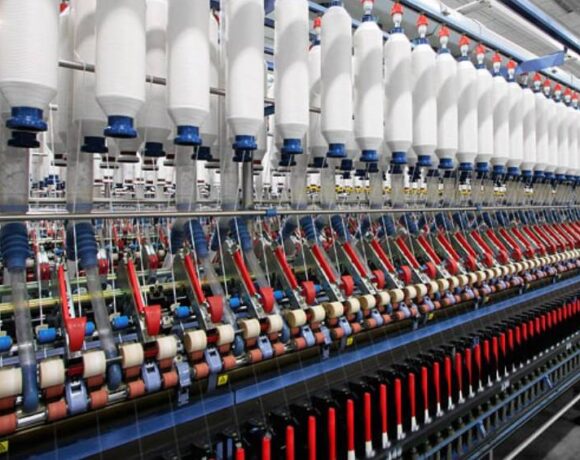
Ghana’s growing dependence on imported goods is placing increasing pressure on local industries, employment and the country’s foreign exchange reserves, according to economic observers. Once home to a thriving textile manufacturing sector employing around 20,000 workers, Ghana now hosts only about 2,000 textile jobs, with Accra’s Kantamanto Market, a major hub for second-hand clothing, highlighting the scale of the shift from local production to foreign imports.
Despite having suitable conditions to grow staples such as rice, Ghana continues to import large volumes of the grain from Asian producers. The country also imports white sugar, even though sugar cane can be cultivated locally. The Komenda Sugar Factory, once envisioned as a cornerstone of Ghana’s sugar industry revival, remains idle and deteriorating, symbolising missed industrial potential and policy setbacks.
Economists warn that heavy import reliance weakens the Ghanaian cedi and fuels trade imbalances. “When a country consistently imports more than it exports, foreign currency flows outward, putting pressure on the exchange rate and increasing inflation risk,” said one analyst.
By contrast, Germany, although a major net exporter, faces its own economic challenges. German goods are often more expensive due to high production costs, yet the country remains competitive by prioritising innovation and quality. Germany, however, also relies on strategic imports—for pharmaceuticals, rare earth materials and electronic components—mostly sourced from China and India. Recent geopolitical tensions have prompted German policymakers to call for rebuilding domestic manufacturing capacity to ensure supply-chain resilience.
Analysts suggest that African economies like Ghana are more vulnerable because global trade dynamics often discourage them from developing industries that could replace imports. If Ghana expands local production of rice or sugar, exporting countries could resist, citing job losses in their own economies. Development assistance and trade agreements sometimes reinforce these dependencies, allowing donor countries to support their own labour markets while offering financial aid to Ghana in return.
Additionally, the movement of import-related funds through national central banks provides opportunities for mismanagement and corruption, further weakening the system. Economists argue that without structural reforms, stronger industrial policy and greater investment in domestic production, Ghana will struggle to reduce its reliance on imports and strengthen its economic sovereignty.