

Govt Extends Export Relief As Hormuz Disruption Hits Trade
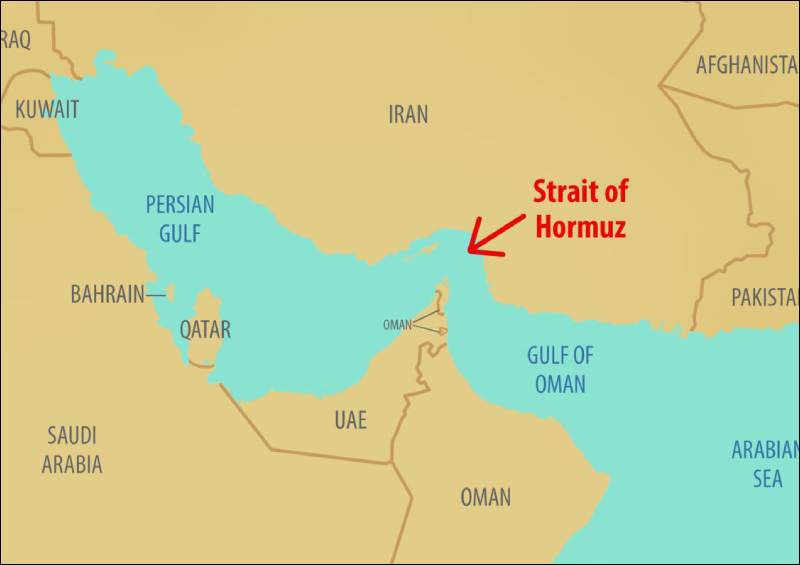
The government has extended relief measures for export cargo until March 31, amid ongoing disruptions in the Strait of Hormuz due to escalating tensions involving Iran.
The Central Board of Indirect Taxes and Customs has issued revised standard operating procedures under the Customs Act to support exporters facing delays and logistical challenges in the Gulf region. The earlier measures were set to expire on March 23.
As part of the updated guidelines, international transshipment facilities for less-than-container-load (LCL) cargo have now been expanded to all notified ports and airports, from earlier availability at select hubs such as Chennai and Cochin.
The government has also allowed temporary unloading and storage of diverted liquid and bulk cargo within customs areas to ease congestion caused by rerouted shipments.
In a further relaxation, containers returning to Indian ports can now be unloaded without filing a Bill of Entry, although customs authorities will continue to verify shipping documents and inspect container seals. Any tampered or broken seals will trigger 100% physical examination.
Additionally, exporters will be allowed to cancel shipping bills even after the Export General Manifest has been filed. A new feature in the ICES system will facilitate such cancellations while preventing wrongful claims of export incentives.
The disruption has significant implications for trade with the Gulf Cooperation Council—comprising Saudi Arabia, Kuwait, Qatar, Bahrain, United Arab Emirates and Oman—which is India’s largest trading partner. Bilateral trade with the bloc reached $178.56 billion in FY25, accounting for around 16% of India’s total trade.
The Strait of Hormuz, a key route connecting the Persian Gulf to the Arabian Sea, has been severely impacted by the ongoing conflict, leading to widespread shipping disruptions and increased uncertainty for exporters.