GST Council Overhauls Textile Tax Structure; Industry Hails Relief Measures
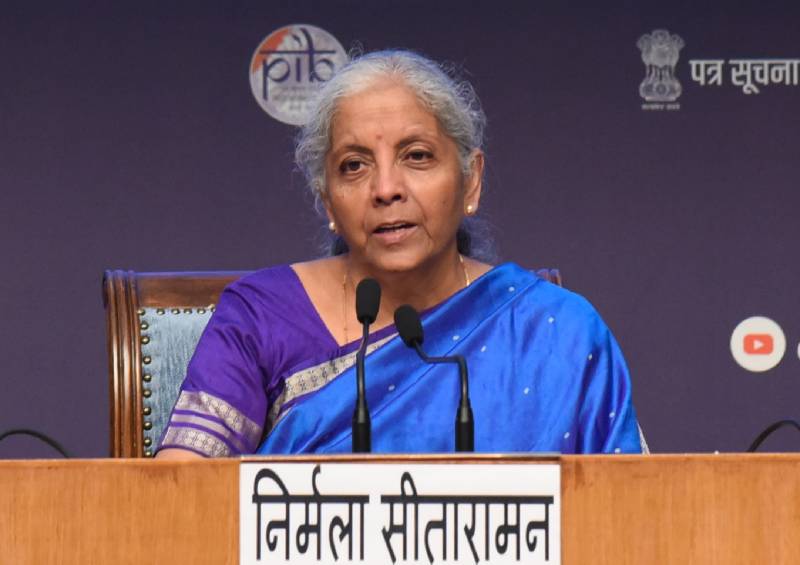
The Goods and Services Tax (GST) Council, in its 56th meeting chaired by Union Finance and Corporate Affairs Minister Nirmala Sitharaman, announced a significant rationalisation of GST rates for the textile sector, addressing long-pending demands from the industry.
The Council has approved a uniform 5% GST rate across the textile value chain, eliminating the inverted duty structure and adopting a fibre-neutral policy by bringing man-made fibres at par with cotton. The move is expected to improve cost efficiency and reduce tax-related distortions in the sector.
In a major relief to apparel manufacturers and retailers, the threshold for the 5% GST slab has been raised from Rs 1,000 to Rs 2,500 per piece, covering a wider range of garments and made-up articles. However, apparel and textile articles (HS code 61, 62, 62 [other than 63053200, 63053300, 6309] and 9404) priced above Rs 2,500 will attract a higher rate of 18%, up from the existing 12%, in line with the Council’s decision to correct rate anomalies.
A broad set of textile goods, including synthetic filament yarn, synthetic monofilament, synthetic or artificial filament tow, synthetic or artificial staple fibres and man-made filament yarn, will now move from the 18% bracket to 5%. This rationalisation, industry representatives say, will ease working capital pressures, enhance competitiveness and provide much-needed stability in pricing.
The revised rates will come into effect from September 22, 2025.
The Council has also extended tax relief to renewable energy, cutting the GST rate from 12% to 5% on solar power generators, windmills and waste-to-energy systems. This is expected to encourage textile mills and manufacturing units to adopt sustainable energy solutions.
Analysts believe the decisions mark the most comprehensive reforms in textile taxation since the implementation of GST in 2017 and will help position India’s textile industry more competitively in both domestic and export markets.